Noida to Get 100 New Auto Stands to Ease Metro Chaos
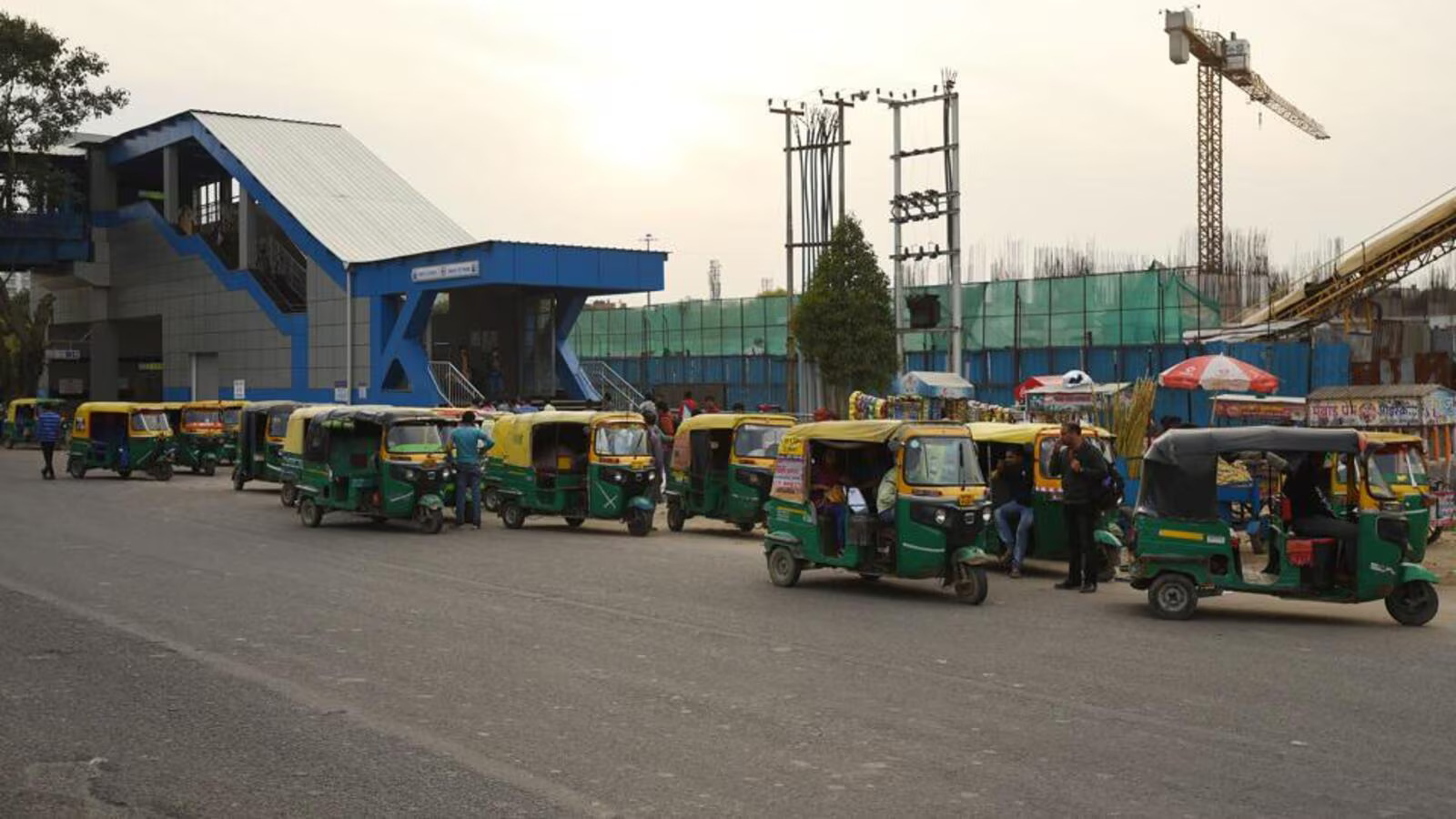
Aiming to tackle congestion, traffic snarls, and commuter inconvenience, officials in Noida have unveiled plans to develop 100 new auto-rickshaw stands across Noida and Greater Noida. These dedicated pick-up and drop-off zones will primarily target metro stations, where unregulated autos currently clog access points and disrupt vehicular movement. The move is part of a coordinated effort between traffic police, transport officials, and civic bodies to introduce sustainable, regulated last-mile solutions for thousands of daily commuters who rely on shared autos in the city.
With over 18,000 registered auto-rickshaws operating across the region, most of which cater to metro-to-sector last-mile connectivity, the absence of dedicated stands has turned major stations like Sector 52, City Centre, and Botanical Garden into daily battlegrounds for space. Autos park haphazardly near metro gates, blocking pedestrian access and shrinking road capacity. This chaos not only frustrates commuters but also undermines broader goals of efficient public transport. As ridership grows, officials say it is critical to integrate autos more effectively into Noida’s urban mobility infrastructure. In recent stakeholder meetings, officials and union representatives acknowledged that the lack of infrastructure for auto-rickshaws is a longstanding oversight. Many of the city’s few existing stands are outdated, unmarked, and often ignored.
The proposed stands are expected to be clearly marked, strategically located, and supported by signage and designated lanes, helping ease traffic pressure around high-footfall transit points. For the city’s expanding metro network, this initiative marks a timely and necessary upgrade to last-mile integration. Residents in key sectors have repeatedly raised concerns about autos obstructing pathways and contributing to daily congestion. Particularly around Sector 51 and Sector 52 metro stations, autos often block carriageways and pose hazards for those walking between the stations. While police occasionally conduct drives to remove illegal parkers, the absence of permanent solutions has allowed the issue to persist. Some commuters have also called for the fast-tracking of parallel pedestrian infrastructure projects, including skywalks, to reduce the clash between vehicular and foot traffic.
The proposed initiative represents a broader shift towards sustainable and organised transport in one of NCR’s fastest-growing urban hubs. Designated auto stands could reduce illegal parking, improve air quality through regulated idle times, and enhance commuter experience by ensuring orderly access to autos. The final blueprint, including locations and layouts, will be discussed at a joint meeting scheduled for July 26. If implemented efficiently, Noida’s upcoming auto stands could serve as a model for other Indian cities grappling with similar last-mile transit bottlenecks.