Noida Residents Battle Sewage Floods And Waste Crisis In Monsoon Chaos
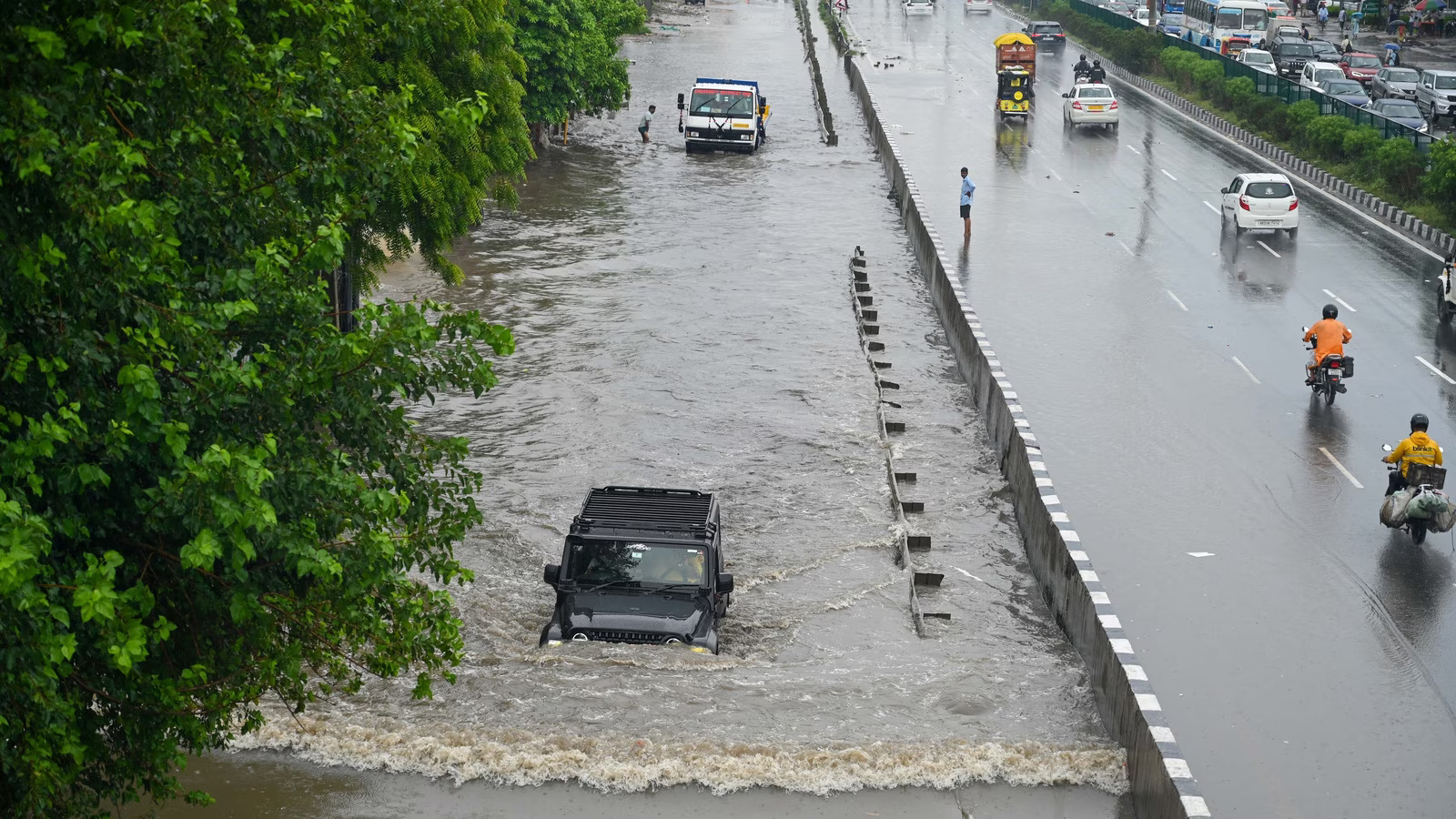
As monsoon rains continue to lash Noida and Greater Noida, several residential sectors are reeling under severe waterlogging, sewage overflows, and uncollected waste. With major drains choked and sanitation systems under duress, everyday life has turned hazardous for families in areas like Sector 3, Beta 1, Mu 2, and Surajpur. Despite repeated complaints from residents, many allege a lack of action from civic authorities and sanitation contractors. The deteriorating conditions have sparked urgent calls for accountability and sustainable urban solutions.
In multiple sectors of Greater Noida, stagnant sewage and stormwater have inundated roads, leaving residents trapped in unsanitary conditions. Locals report that broken drains spill foul sludge into open areas, spreading odours and health concerns. Several residential welfare groups have flagged the issue repeatedly, but complain that ground-level staff remain unresponsive. Sanitation contractors tasked with cleaning sewers and managing waste appear to be neglecting their duties, with little oversight from authorities. This breakdown in basic urban services has ignited community frustration and renewed focus on the need for decentralised waste management and effective monitoring. The most critical areas, including parts of Surajpur and Beta 1, now bear the brunt of garbage accumulation. Piles of refuse lie openly in residential lanes, some less than 200 metres from government offices.
Residents say the visible decay near administrative centres reflects the disconnect between top-level plans and ground implementation. While civic officials have claimed regular sanitation drives, locals contest this, noting the persistent stench, blocked drains, and overflowing bins. Experts argue that the region’s rapid urbanisation has outpaced its basic infrastructure, leaving sanitation services chronically under-resourced. Several residents also criticised the Greater Noida Industrial Development Authority (GNIDA) for what they view as a performative response—issuing fines to contractors without sustained improvements. The repeated penalties, they say, have failed to address systemic lapses. With the monsoon exposing structural vulnerabilities, urban planners emphasise the urgency of transitioning to more resilient drainage designs and climate-adaptive waste systems.
Public health specialists warn that standing sewage, coupled with poor solid waste disposal, increases risks of mosquito-borne diseases and respiratory issues, especially for children and the elderly. Despite a GNIDA spokesperson stating that residents’ complaints are being reviewed and cleanup will begin shortly, communities remain sceptical. Citizens are calling for visible change—timely desilting, regular waste removal, and localised complaint redress systems. The monsoon crisis has not only highlighted the failures of centralised waste management but also underscored the need for empowered local governance. For India’s satellite cities like Noida, the road to becoming smart and sustainable hinges on fixing the basics—sanitation, drainage, and responsive civic delivery.