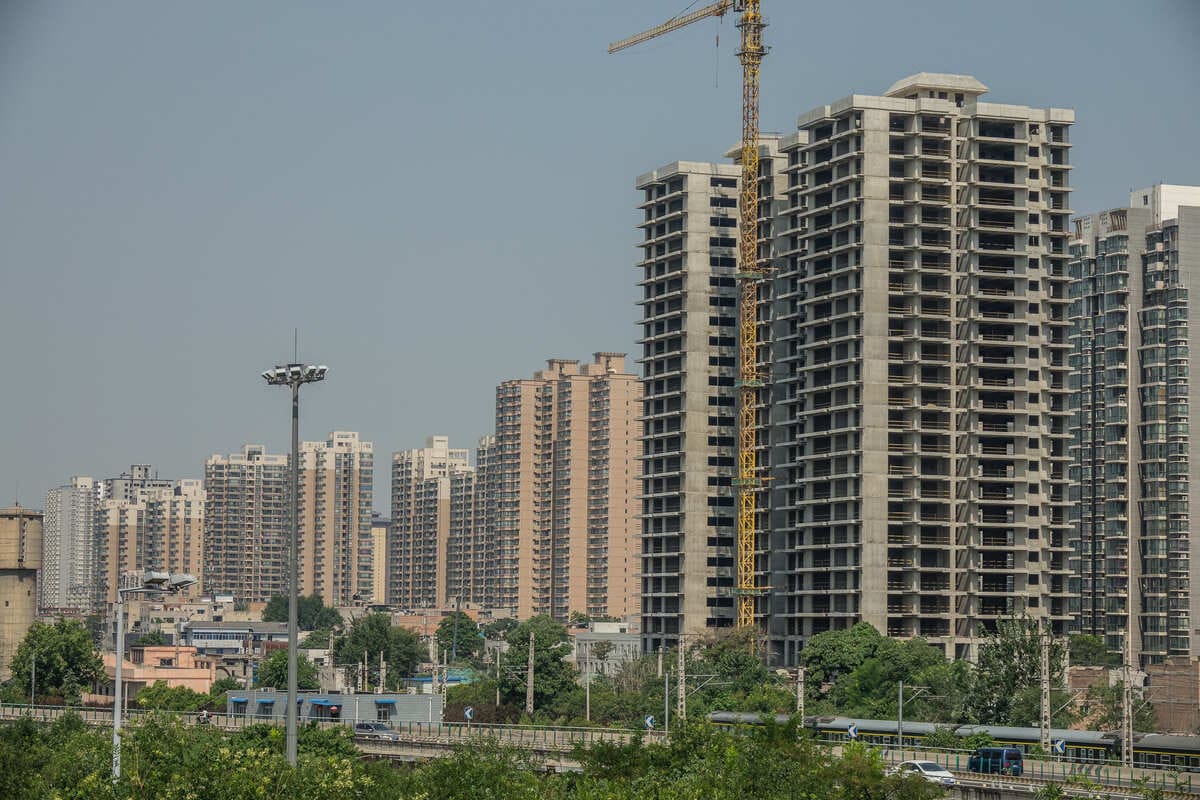
Noida’s skyline appeared markedly clearer on Friday as local air quality measurements showed a significant dip in pollution levels, providing a rare respite from the persistent smog that has dogged the city through the winter months.
The clearer skies underline a transient improvement in atmospheric conditions, even as regional air quality challenges in the National Capital Region (NCR) remain structurally entrenched. The drop in particulate matter concentration — particularly the harmful PM2.5 and PM10 fractions — brought relief to residents, with improved visibility and less haze compared to the region’s recent top-tier “very poor” and “severe” air quality episodes. While official figures for this specific day remain pending from the Central Pollution Control Board’s daily bulletin, prior CPCB data show Noida slipping back into higher pollution categories during much of late 2025.
Urban planners and environmental analysts note that such intermittent improvements often coincide with short-term weather shifts, including higher wind speeds and marginal rises in ambient temperatures. These conditions can temporarily disperse trapped pollutants that are otherwise exacerbated by low wind and thermal inversions in winter months, which suppress atmospheric mixing and trap emissions near ground level. Despite Friday’s clearer skies, granular air quality tracking suggests that baseline pollutant loads remain high across the NCR. Comprehensive regional monitoring has repeatedly registered spikes in AQI readings during colder seasons, attributing persistent pollution to a combination of vehicular emissions, construction dust, and limited atmospheric dispersion.
City transport authorities have pointed to expansions in electric bus fleets and auxiliary public transport initiatives as part of broader strategies to reduce vehicular emissions — one of the principal contributors to fine particulate accumulation in urban air sheds. However, sustainable mobility solutions and cleaner energy adoption will need scaling beyond short-term interventions to shift overall air quality baselines. Public health stakeholders stress that even when AQI temporarily dips into more moderate ranges, long-term exposure to concentrations above safe limits continues to pose risks, especially for children, elderly residents, and those with underlying respiratory conditions. They argue for data-led forecasting and community engagement to inform daily outdoor activity planning rather than relying on episodic weather-driven improvements.
For Noida’s urban managers, the current lull offers an opportunity to reassess enforcement of dust control protocols, industrial emissions norms, and green infrastructure initiatives that can anchor longer-term resilience against seasonal smog cycles. Balancing economic growth with environmental safeguards remains central to fostering equitable urban living in this expanding metropolis.