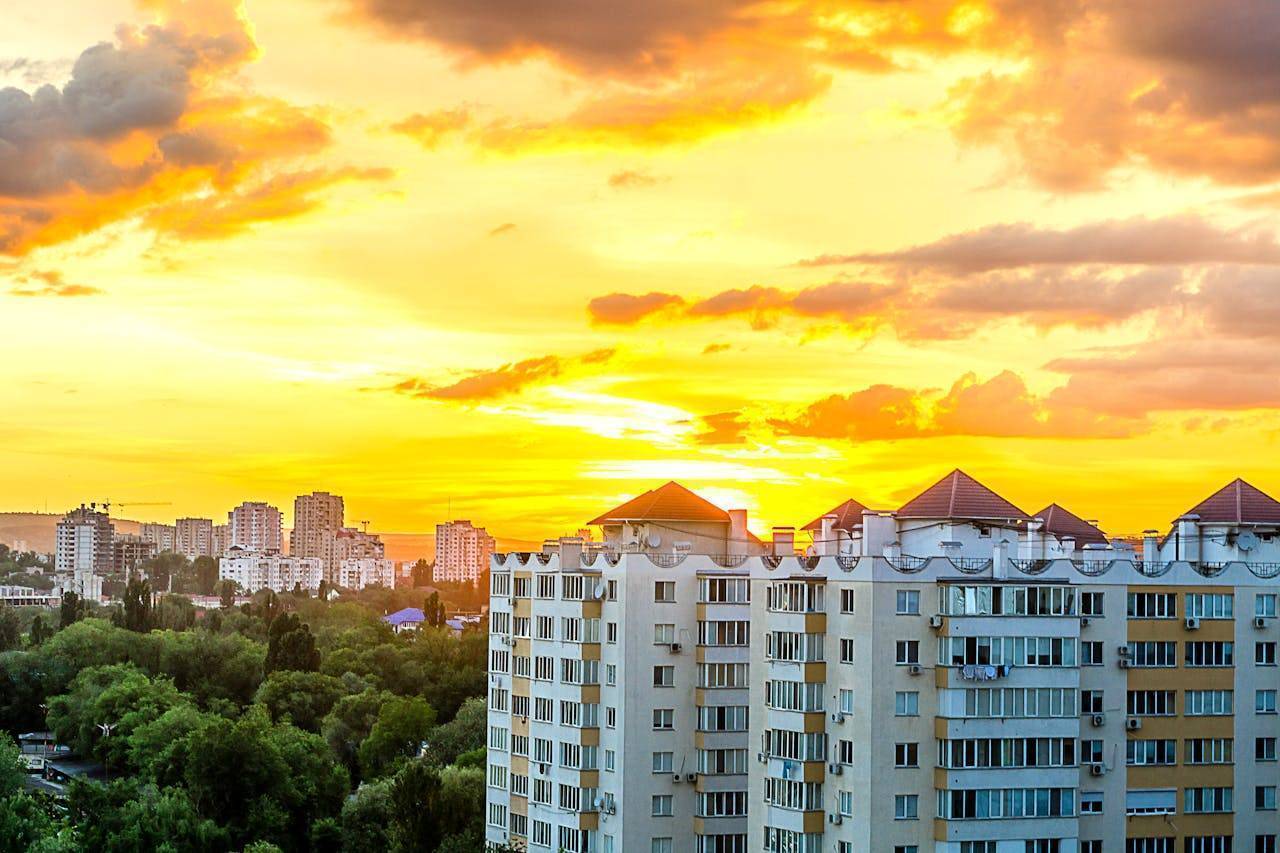
A newly launched residential development in Noida’s Sector 151 has recorded rapid uptake within days of its market debut, underlining the growing momentum of luxury housing sales in the city’s emerging corridors. The strong absorption highlights how infrastructure-led growth and evolving buyer preferences are reshaping residential demand patterns across the National Capital Region.
The project, positioned along the Noida–Greater Noida Expressway, has seen approximately 400 homes booked within a week, translating into sales worth around ₹1,800 crore. Industry observers note that such early traction reflects a broader shift in buyer sentiment, where end-users and investors alike are gravitating towards larger, design-focused homes in well-connected yet relatively less congested micro-markets.Sector 151, once considered peripheral, is increasingly being viewed as a strategic residential zone. Its proximity to the Aqua Line metro corridor and the upcoming international airport at Jewar has enhanced its appeal. Urban planners point out that such infrastructure investments are decentralising housing demand away from saturated city cores, while also raising questions about the pace of sustainable urban planning in these fast-expanding zones.
The development itself adopts a low-density approach, with limited apartments per floor and a focus on open spaces. This design strategy mirrors a wider trend within luxury housing sales, where privacy, wellness amenities, and access to green areas are becoming decisive factors for buyers. Experts suggest that post-pandemic preferences have accelerated this shift, with households prioritising liveability over mere location advantage.Notably, the project integrates international design inputs and draws on minimalist architectural influences, reflecting how global aesthetics are increasingly being adapted for Indian urban housing. While such collaborations elevate design standards, urban analysts caution that the environmental footprint of high-rise luxury developments must be carefully managed. Efficient resource use, water management, and energy performance remain critical in ensuring that upscale housing aligns with long-term sustainability goals. The rise in luxury housing sales in Noida also points to changing economic dynamics. With improved connectivity and relatively competitive pricing compared to central Delhi and Gurugram, Noida is attracting a mix of first-time premium buyers and upwardly mobile households.
At the same time, investors are seeking capital appreciation in corridors expected to benefit from infrastructure-led growth.However, this rapid expansion brings its own set of challenges. Urban experts emphasise the need for integrated planning that balances residential growth with civic infrastructure, public transport, and social amenities. Without such alignment, emerging hubs risk facing the same congestion and service deficits seen in older parts of the region. As Noida continues to evolve into a key node in the NCR housing market, the trajectory of luxury housing sales will likely depend on how effectively growth is managed. The coming years will test whether high-value residential expansion can coexist with inclusive, climate-resilient urban development.