A significant inflection point has arrived for economic infrastructure on the Yamuna Expressway corridor as the Yamuna Expressway Industrial Development Authority (YEIDA) reports that at least 52 industrial units are poised to begin operations in Yamuna City, marking an early operational phase for one of the NCR’s fastest evolving industrial belts.
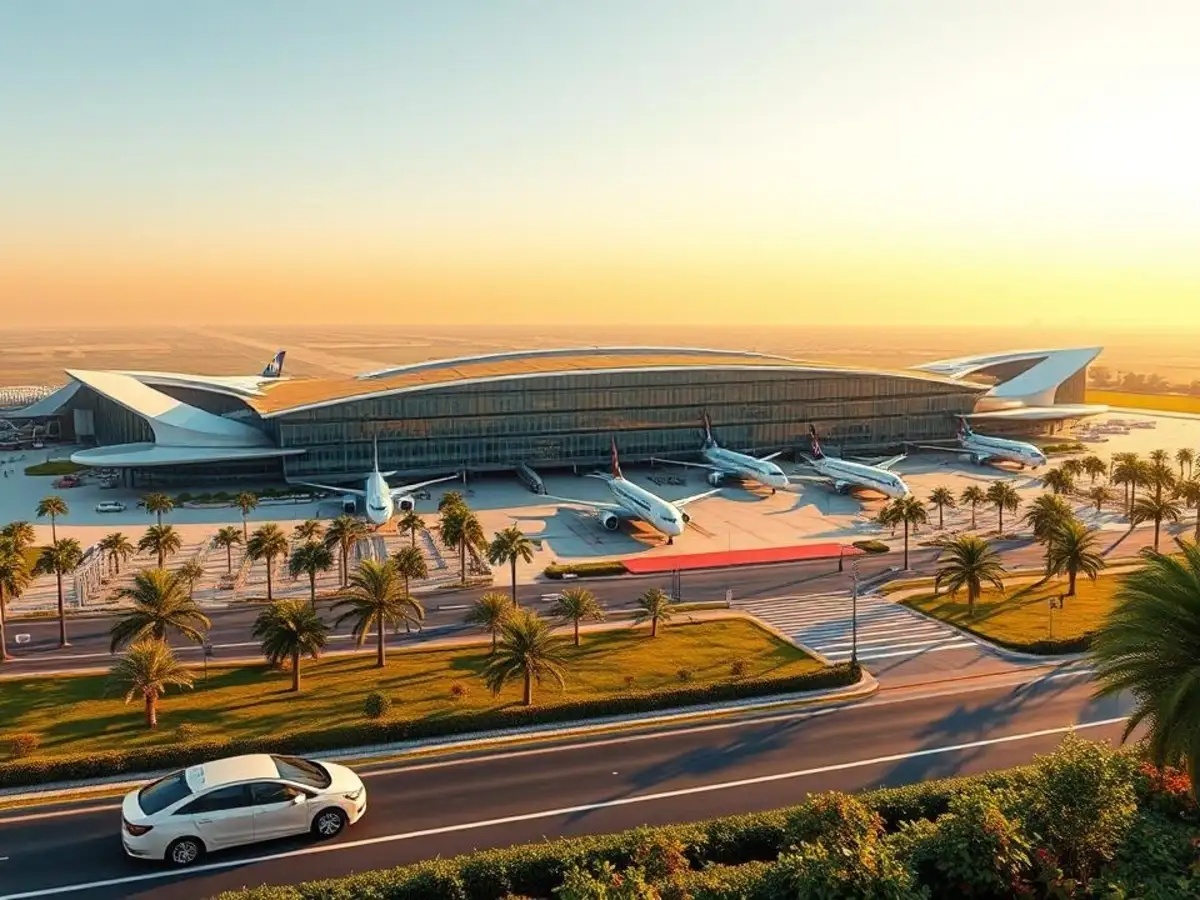
This development underscores the region’s transition from land banking to tangible economic activity, with implications for jobs, logistics and integrated urban growth anchored by expanding connectivity infrastructure. Strategically positioned along the Yamuna Expressway near the upcoming Noida International Airport, Yamuna City’s industrial zones span Sectors 24, 24A, 28, 29 and 33, where a total of 3,113 industrial plots have already been allotted under YEIDA’s planning framework. As these plots approach completion certification and begin commercial operations, the region is likely to emerge as a pivotal manufacturing and supply-chain node for northern India. For urban economists, the activation of industrial units — many of which are expected to specialise in sectors ranging from manufacturing to processing and logistics — highlights a transition from speculative real estate to production-oriented land use.
This shift is particularly significant in the context of the broader NCR real estate and employment ecosystem, which has been stimulated by the large-scale infrastructure investments around Jewar airport and associated corridors. Industry observers note that YEIDA’s ability to bring industrial plots to operational status responds to longstanding calls for job creation and economic diversification outside traditional urban cores. Prior efforts by the authority to facilitate investor confidence have included outreach to anchor units, resolution of land acquisition issues, and targeted plot allocation across specialised parks such as medical devices, MSME clusters and toy and apparel sectors. These institutional interventions aim to reduce friction in industrial onboarding and accelerate utilisation of the regional manufacturing footprint. The emerging industrial activity also has logistical and sustainability dimensions. Proximity to the yet-to-open Noida International Airport, paired with dedicated highways and planned mass-transit linkages, positions Yamuna City as a node capable of supporting both goods movement and workforce mobility. Investment in comprehensive transport infrastructure — including expressway transit systems and freight-oriented road networks — could further enhance the corridor’s appeal while helping manage urban congestion and emissions.
However, challenges remain. Analysts emphasize the need for synchronized development of support infrastructure such as power supply, water connections, waste management and personnel housing to ensure that industrial operations do not outpace the civic amenities required for equitable growth. As private and public sectors invest in the industrial ecosystem, ensuring quality of life for workers and local communities will also be critical. The operationalisation of 52 industrial units can also help diversify employment opportunities in Gautam Budh Nagar, providing alternatives to the traditional IT and services employment clusters in Noida and Greater Noida. This diversification is aligned with state policy goals to attract both domestic and foreign direct investment into manufacturing under targeted incentive frameworks.
Looking ahead, YEIDA’s focus will likely turn to maintaining the momentum of industrial onboarding — including attracting anchor enterprises, facilitating supply-chain integration, and leveraging multimodal connectivity with the airport and expressway networks. If these elements coalesce effectively, Yamuna City could evolve into a core engine of inclusive economic growth and sustainable urbanisation in the NCR.