Noida experiences persistent air quality and health risks
Noida — Air pollution in Noida continues to pose significant public health concerns this week, with real-time measurements showing unhealthy to hazardous air quality that persists across multiple city sectors.
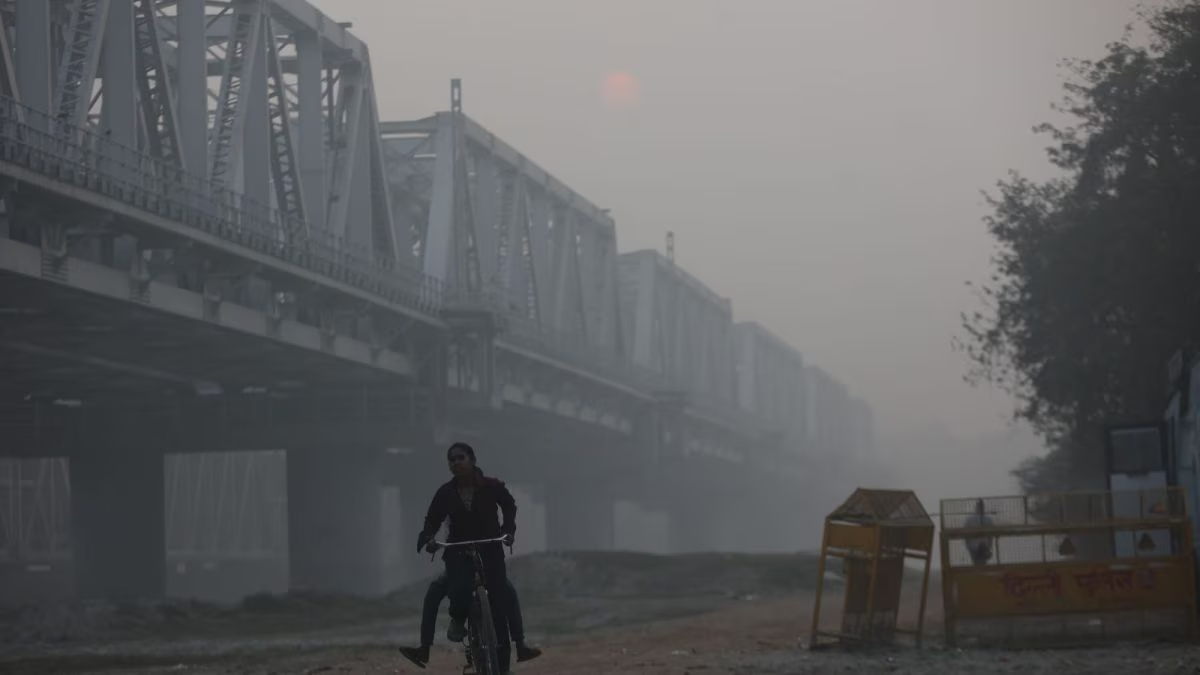
Despite long-standing monitoring and mitigation efforts, particulate matter levels remain elevated — a trend that underscores structural challenges in managing air quality in India’s rapidly expanding urban regions. On Wednesday morning, commuters reported visibly hazy skies and reduced visibility along major thoroughfares, with metro trains and high-rise buildings enveloped in smog. Real-time sensor data from air quality platforms shows PM10 concentrations exceeding 280 µg/m³ at key monitoring points in Noida, significantly above the World Health Organization’s recommended daily limit of 45 µg/m³.
At Sector 108, the Air Quality Index (AQI) soared into the “hazardous” category, with PM2.5 — fine particulate matter associated with respiratory and cardiovascular illness — breaching levels above 280 µg/m³. Even in areas like Sector 150, where air quality was slightly lower, the index still signalled “severe” pollution, indicating that sustained exposure could impact the health of all residents, particularly children, seniors and those with pre-existing conditions. These readings align with broader regional trends in the National Capital Region (NCR), where dense smog and pollutant accumulation — driven by traffic emissions, construction dust and stagnant meteorological conditions — have routinely pushed AQI into unhealthy bands. Ahmedabad, Ghaziabad and Greater Noida have also recently recorded severe pollution spikes, a pattern that highlights the interconnected nature of air quality issues across urban clusters.
Environmental planners note that particulate matter — the primary indicator of poor urban air — is largely influenced by local and cross-boundary emissions sources, including vehicular congestion, industrial activity and open construction sites. Winter inversions and calm winds exacerbate pollutant entrapment near ground level, making progress on air quality improvement difficult without coordinated regional action. In response, authorities in the Uttar Pradesh segment of the NCR have included Noida and neighbouring cities in a 2026 air quality mitigation plan developed under the Commission for Air Quality Management. The strategy outlines measures such as expanding electric bus fleets, upgrading road surfaces and dust management — all designed to lower PM10 and PM2.5 emissions over the coming year, though specific reduction targets for the finer PM2.5 fraction remain unclear.
Residents continue to report the everyday impacts of poor air quality. Chronic coughing, throat irritation and eye discomfort have become more common, even on days when pollution temporarily dips, raising concerns about long-term respiratory health. Public health experts emphasise that short-term interventions — including face masks, indoor air purifiers and reduced outdoor activity during peak pollution hours — are necessary but insufficient without robust structural change. Urban environmental specialists argue that sustainable air quality improvement requires holistic planning: stricter vehicle emissions standards, enforcement of dust control at construction sites, rapid electrification of public and freight transport, and expanded urban green cover. Cross-jurisdictional coordination among Noida, Greater Noida, Ghaziabad and Delhi authorities is particularly critical, given the regional nature of pollution dispersion.
As Noida prepares for seasonal shifts that may further trap pollutants, stakeholders say clearer interim targets and transparent progress reporting will be essential to keep air quality improvement high on civic agendas.