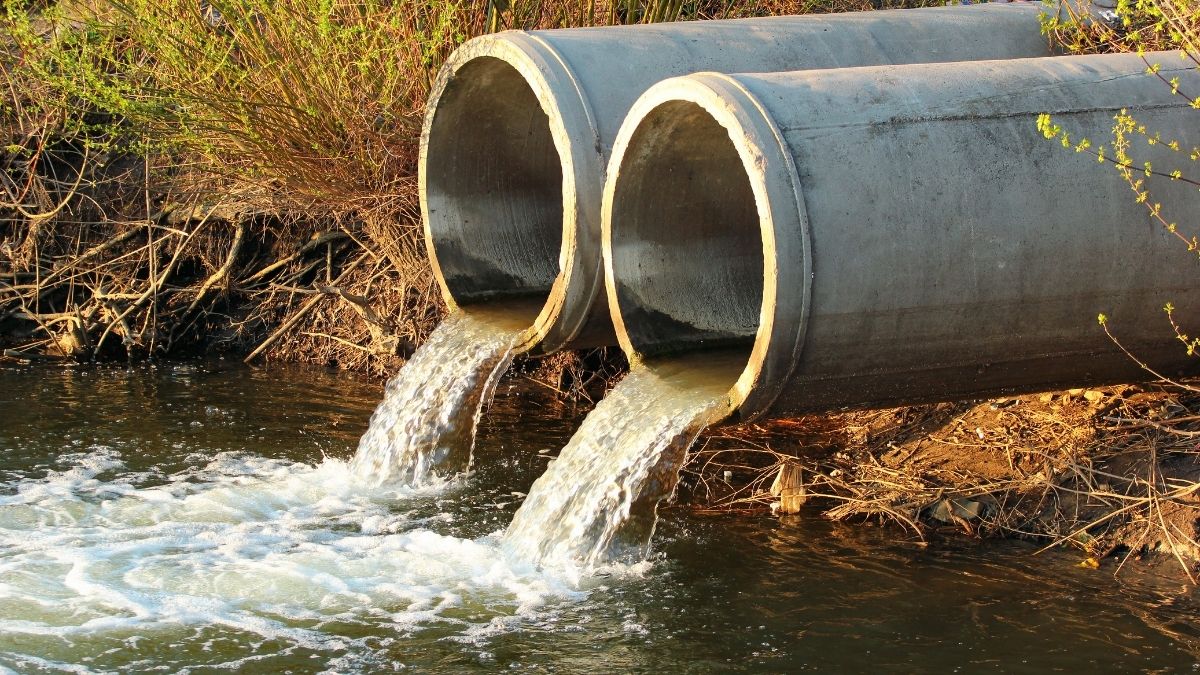
In several residential sectors of Noida, persistent sewage overflow and foul odours are fuelling mounting frustration among residents, who warn the problem is degrading hygiene, undermining public health and exposing strained civic infrastructure in the rapidly urbanising city.
The issue, residents say, stems from antiquated sewer lines coping with increased load, and temporary patch-ups that fail to address deeper system breakdowns — a situation with consequences for inclusive urban liveability and environmental resilience. Residents across multiple sectors, including both long-established neighbourhoods and newer housing enclaves, have lodged repeated complaints about overflowing sewer water pooling on streets and in open drains. Ground-floor homes are particularly affected, with damp conditions seeping into living spaces and the pervasive stench making outdoor areas unpleasant and potentially unsafe for vulnerable groups such as children and the elderly.
According to representatives from a federation of resident associations representing more than a hundred welfare groups, civic crews are typically dispatched to clear blockages on receipt of complaints. However, these interventions involve cleaning or unblocking sections of pipework rather than replacing deteriorated infrastructure — offering only short-lived relief when the underlying conduits are overloaded or blocked by decades of debris and silt. City infrastructure analysts say Noida’s sewer network, much of which was laid during early phases of planned development, is increasingly mismatched with contemporary demands. Similar complaints of sewer backflow and overflow flooding streets and entryways during rain events have been reported in past years, indicating structural limitations in drainage capacity and maintenance strategies as the population and built footprint have expanded.
Public health specialists note that stagnant wastewater and foul odours are not merely nuisances but can catalyse vector-borne disease risks, particularly in warmer months when mosquito and fly populations flourish. The release of untreated sewage into open drains, as alleged by some residents, compounds environmental and health risks, undermining efforts to build climate-resilient and people-centric urban environments. A senior official from the city’s water board acknowledged that increasing population density has strained legacy sewer lines, and that while crews respond to complaints, comprehensive upgrades require formal tendering and capital expenditure — processes that inevitably delay implementation. The authority is reportedly examining options for phased replacement of ageing lines to enhance long-term functionality.
For urban planners and civic managers, the unfolding sanitation challenge highlights the urgency of bolstering underground infrastructure alongside visible development. Sustainable cities hinge not just on new housing or roads, but on resilient water and sewer systems that protect residents’ health, uphold environmental quality and support equitable growth in the face of demographic pressures. As Noida continues to grow, aligning infrastructure capacity with demand will be vital to improving daily life and environmental outcomes.