Noida Braces for Red Alert as Heavy Rains Hit Western UP
Heavy rainfall and thunderstorms struck parts of western Uttar Pradesh on Wednesday morning, prompting a red alert from the India Meteorological Department (IMD) for districts including Noida, Ghaziabad, Aligarh, Mathura, and Bulandshahr. Residents across the region woke to gusty winds, lightning, and steady downpours, offering brief relief from the persistent summer heat. However, the sporadic nature of the showers, coupled with weak weather systems across the state, raises concerns about long-term rainfall consistency. Officials advise caution as the monsoon pattern remains unpredictable ahead of July-end.
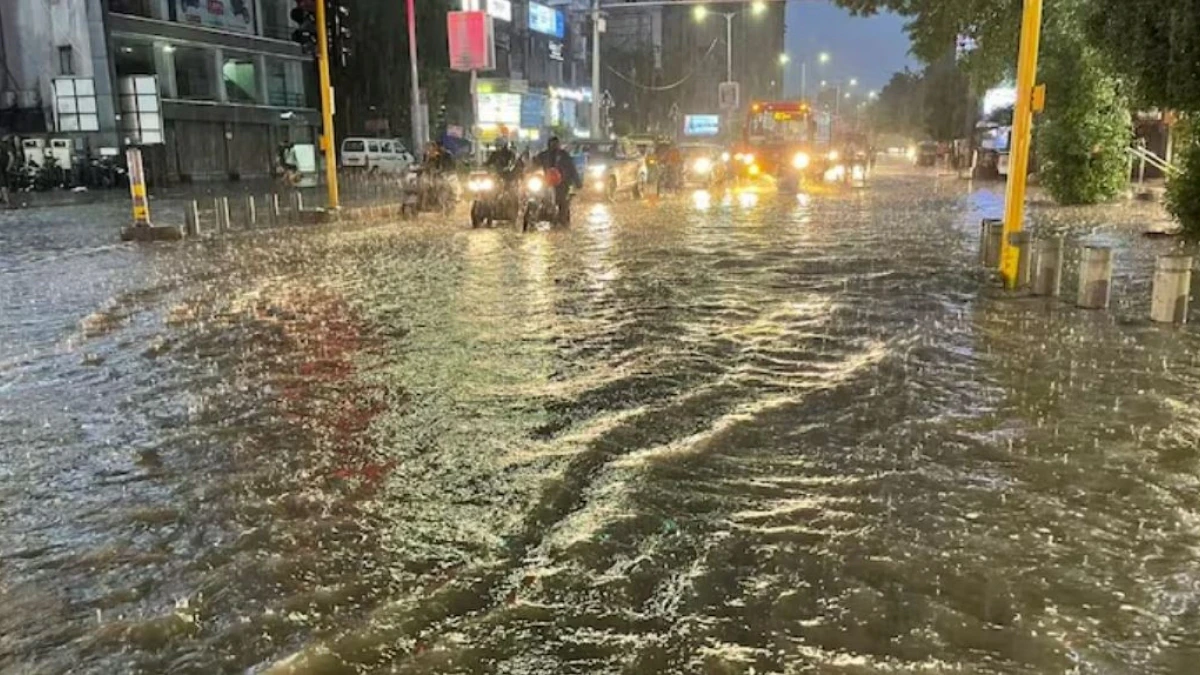
Recent downpours in Noida and surrounding cities have brought short-term respite but also exposed infrastructure gaps in urban flood management. In several low-lying areas, residents reported brief waterlogging and traffic disruptions due to the intensity of early-morning showers. Civic bodies scrambled to clear stormwater drains as intermittent rainfall continued through the day. Meteorologists suggest that while Delhi NCR and parts of Haryana also received similar relief, the current rainfall pattern is uneven and unlikely to persist without a renewed monsoonal system. Experts from the IMD noted that the weakening of the low-pressure depression in the Bay of Bengal has reduced the chances of heavy rainfall across most parts of Uttar Pradesh for the next 72 hours. Cities like Lucknow, despite witnessing high humidity levels and daytime temperatures around 36°C, are not expected to see major showers in the short term.
Sporadic drizzle was observed in south-western and Terai zones of the state, but no significant weather system is currently active to push widespread rainfall across the region. The unpredictable monsoon pattern has left both farmers and urban residents grappling with uncertainty. Agricultural communities in western Uttar Pradesh are particularly concerned, as the initial rainfall was insufficient for sowing major kharif crops. Meanwhile, urban planners warn that civic systems in cities like Noida are ill-equipped to handle sudden bursts of rainfall, especially when infrastructure is strained by unplanned growth. Water conservation and improved drainage resilience remain critical priorities, particularly in rapidly expanding satellite towns.
Looking ahead, meteorologists predict that the monsoon may regain strength after July 25 as a new low-pressure zone is likely to form in the Bay of Bengal. This could revive rainfall across the state, including the parched central and eastern belts. However, officials urge preparedness rather than complacency, warning that extreme weather events—whether intense rainfall or prolonged dry spells—will likely become more frequent under the changing climate regime. Both civic resilience and rural support systems must be scaled up to ensure equitable access to water and sustainable urban living.