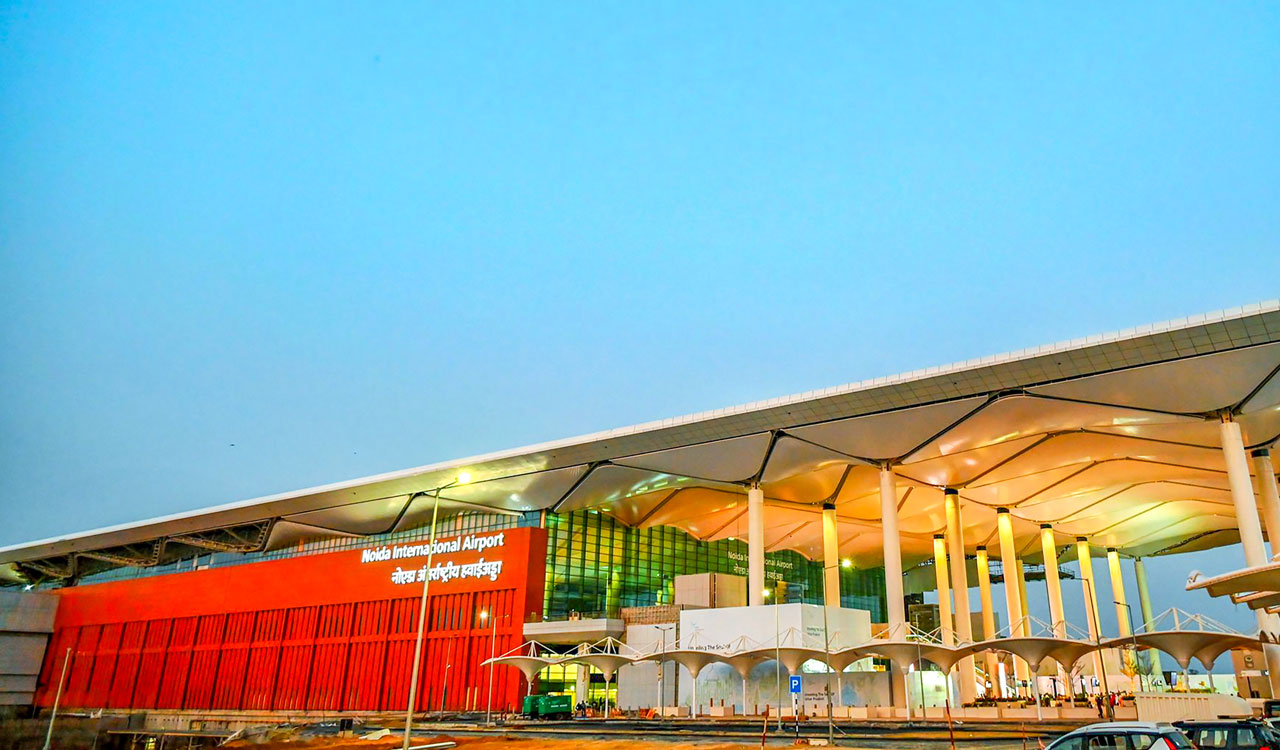
The operational launch of Noida International Airport at Jewar in Uttar Pradesh is emerging as a defining infrastructure milestone for the National Capital Region (NCR), with early indicators pointing to a broad-based impact on real estate, logistics, and urban development patterns. The project is expected to ease pressure on Delhi’s existing aviation capacity while unlocking new economic zones along the Yamuna Expressway and surrounding districts.
Urban planners and market observers note that large-scale airport infrastructure often acts as a catalyst for regional transformation, and early activity around the Noida International Airport suggests a similar trajectory. Land values in adjoining areas have shown steady appreciation, while developers are recalibrating project pipelines to align with anticipated demand from businesses, logistics operators, and future residents. The emergence of a new NCR real estate corridor anchored by the Noida International Airport is particularly significant. Industry assessments indicate rising interest from institutional investors and corporate occupiers seeking proximity to multimodal connectivity. This includes warehousing, data centres, and aviation-linked services, all of which rely on efficient supply chain access. The airport’s integration with expressways and planned rail networks is expected to further strengthen this ecosystem.
Residential demand is also evolving. Unlike earlier speculative cycles, current activity reflects a gradual shift towards end-user-driven housing, with preference for integrated townships and low-density developments. Analysts attribute this trend to improved infrastructure visibility, relative affordability compared to established NCR markets, and the promise of employment generation in nearby industrial zones. The Noida International Airport is also poised to influence commercial and retail development. With projected passenger volumes increasing over time, hospitality, retail hubs, and office spaces are expected to cluster around the airport zone. This aligns with global patterns where aerotropolis models support mixed-use urban growth, though experts caution that balanced planning will be critical to avoid congestion and environmental stress.
From an infrastructure perspective, the airport is expected to significantly augment NCR’s aviation capacity, reducing congestion at existing facilities while enhancing regional connectivity. However, urban policy specialists emphasise the need for coordinated planning frameworks to ensure that growth remains sustainable, inclusive, and resilient. This includes attention to public transport integration, water management, and climate-sensitive construction practices. The long-term success of the Noida International Airport will depend not just on passenger traffic or real estate activity, but on how effectively it supports equitable urbanisation. As development accelerates, stakeholders will need to prioritise liveability, environmental safeguards, and access to services, ensuring that the benefits of growth extend beyond investors to communities across the region.