


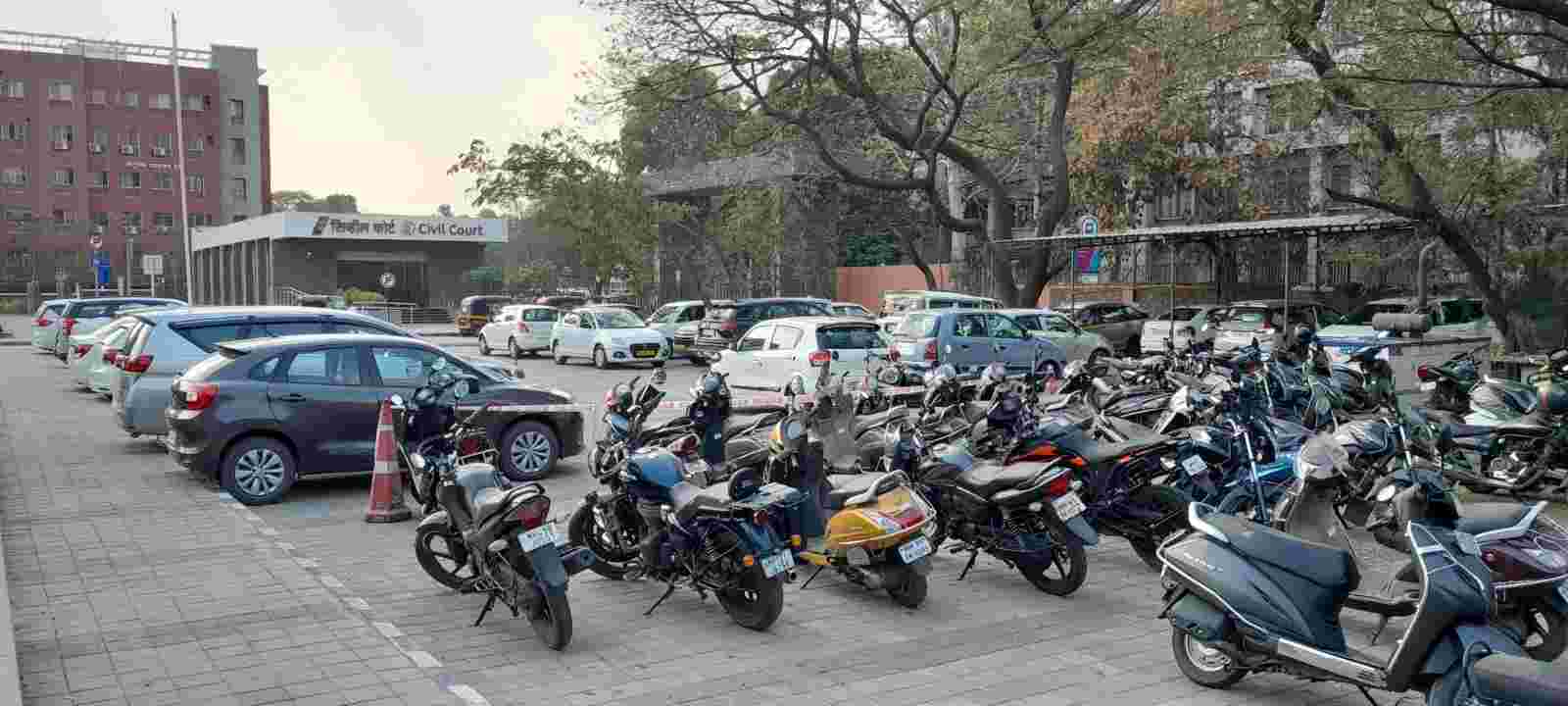
Pune have enforced a parking ban within a 200-metre radius of the city’s main railway station.
The initiative, currently in its trial phase, is aimed at mitigating chronic congestion and disorganised vehicle stoppages that have long plagued one of the city’s busiest transport nodes. The Railway Police Force (RPF) in collaboration with the Pune Traffic Branch launched the enforcement following repeated complaints of disorderly vehicle halts, especially at the station’s key entry and exit points. The decision, formulated after a high-level review by Additional Superintendent of Police (Railways) Rohidas Pawar and Deputy Commissioner of Police (Traffic) Amol Zende, aligns with a broader vision to make Pune’s transport infrastructure more commuter-friendly and environmentally viable.
The new regulation applies to all private and commercial vehicles, restricting any form of parking in the specified perimeter around the station, with the sole exception of the officially designated parking area. Importantly, while passenger vehicles such as rickshaws and cabs are permitted to enter the station premises for pick-up and drop-off, they are barred from halting for prolonged periods—an effort to maintain fluid vehicular movement and deter traffic pileups. Urban experts and civic activists have welcomed the decision, pointing out that such measures are critical if Pune is to realise its aspirations of becoming a carbon-neutral and commuter-centric city. With the number of vehicles in the city growing exponentially—recent estimates peg the figure at over four million—unregulated parking has become one of the key contributors to emissions, inefficiency, and road rage in high-density zones.
The city’s railway station, which handles lakhs of passengers daily, has increasingly struggled with the unplanned surge of vehicles. The clutter not only hampers emergency response but also compromises pedestrian safety and accessibility—particularly for the elderly, women, and disabled commuters. By reclaiming the approach roads and ensuring smoother traffic management, officials hope to set a precedent for similar interventions across other high-traffic transit zones in the city.
In a move that reflects democratic urban governance, the Traffic Branch has invited written objections and suggestions from citizens, with a submission deadline of May 17. Officials confirmed that a final directive will be issued post this consultation phase. In the meantime, signboards are being installed to inform commuters about the new regulations, and the RPF has been instructed to monitor compliance on the ground. For Pune, which has seen several experimental but often under-enforced mobility reforms in recent years, this parking restriction marks a notable shift from ad-hoc interventions to a structured, consultative, and sustainable approach. If implemented earnestly, it may offer a scalable model for other Indian cities grappling with similar challenges in balancing traffic, safety, and environmental responsibility.
Also Read: Ram Temple Complex to Feature Massive Garden
