


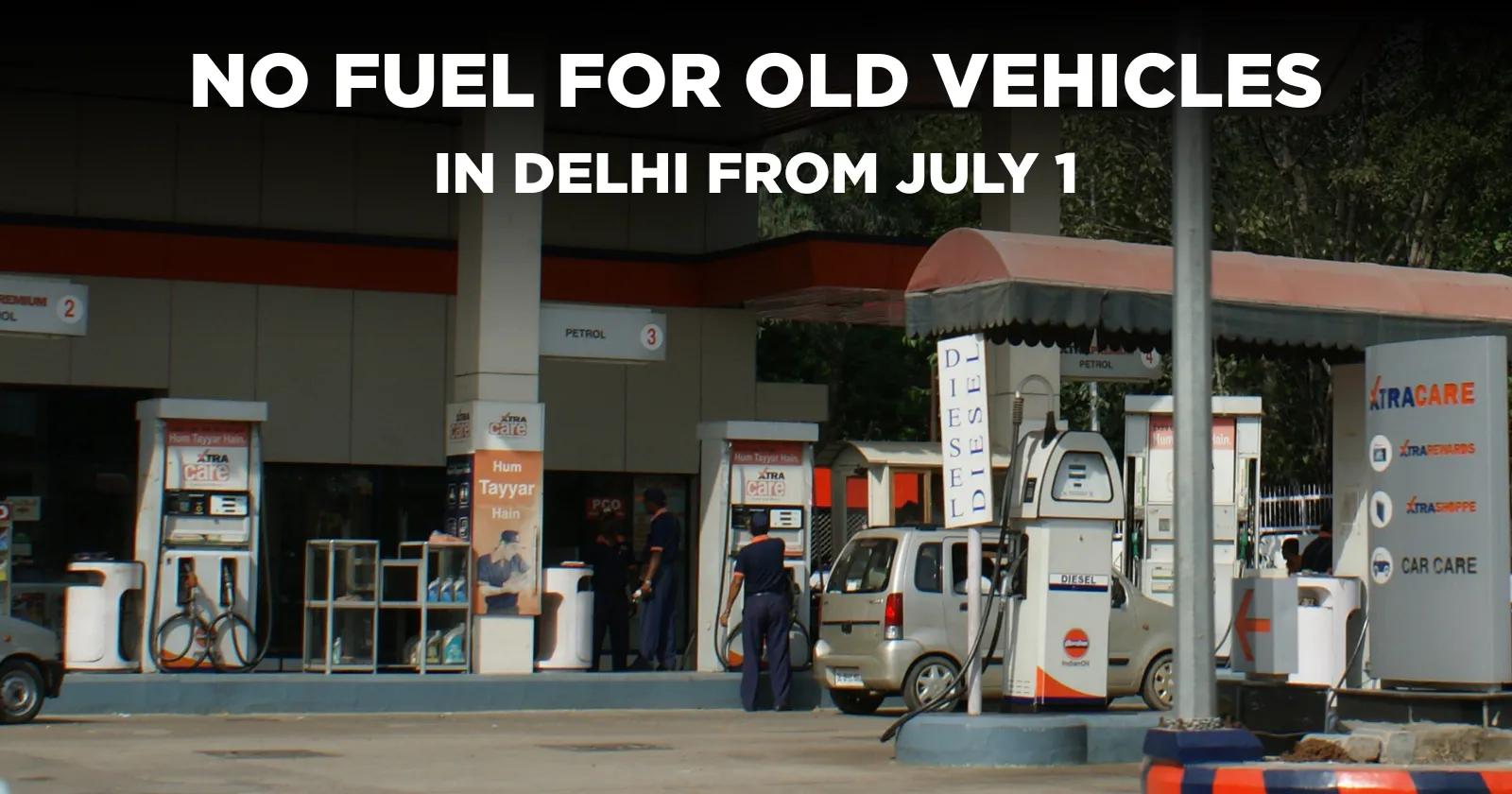
Delhi is set to implement a bold measure from 1 July that will prohibit refuelling of end-of-life vehicles (ELVs) at petrol pumps across the National Capital Region. Under the directive of the Commission for Air Quality Management (CAQM), all diesel vehicles older than 10 years and petrol vehicles older than 15 years will be refused petrol or diesel, regardless of where they are registered. This policy, designed to improve air quality, has elicited a mix of praise and concern from residents and stakeholders alike.
The rule targets ageing vehicles, traditionally significant contributors to urban smog due to outdated emission systems. According to air quality specialists, older engines emit higher levels of particulate matter and nitrogen oxides, especially under lower maintenance regimes. Limiting their operation is a recognised strategy to reduce respiratory and cardiovascular risks and to move the capital closer to its net-zero commitments. However, petrol pump dealers, represented by the Delhi Petrol Dealers Association (DPDA), have voiced strong objections. They argue the rule places unfair responsibility on frontline fuel attendants who are untrained to verify vehicle age and registration status. The association has petitioned the Transport Ministry and CAQM for amendments to safeguard their interests and ensure operational clarity.
A primary concern of the DPDA relates to potential penal action. Under the Essential Commodities Act, petrol pump operators are generally prohibited from refusing fuel to any customer. Under the forthcoming rule, however, any station staff mistakenly refuelling an ELV could face legal consequences, including arrest. “Our attendants are not law enforcers,” said a senior dealer representative. “Asking them to check vehicle documents and judge eligibility opens them to legal risk and public hostility.” Recent incidents seem to vindicate this concern. In neighbouring Ghaziabad, a petrol attendant was reportedly assaulted for denying fuel to a motorcyclist without a helmet. The episode has spurred fuel station operators to demand clear standard operating procedures (SOPs) and enhanced security measures before the rule takes effect.
The DPDA has requested the deployment of police or municipal volunteers at every fuel station for at least the initial months. They also seek formal SOPs by CAQM and Transport Department dictating precise verification protocols, signage to alert customers, and clear lines of liability and withdrawal procedures for erroneously refused vehicles. Transport policy experts have emphasised the importance of procedural clarity in enforcement. A public policy analyst commented, “Climate policy objectives must go hand in hand with institutional feasibility. Without trained personnel, SOPs, and legal clarity, such measures can falter in execution and breed conflict.” In response, regulators have acknowledged dealer concerns and agreed to conduct mock drills at select pump locations before roll-out. These drills aim to familiarise staff with the workflow – vehicle age checks, documentation review, refusal notices – while testing the robustness of the legal framework. Inspectors will also pilot stencil-based age-verification visible on registration plates.
While policy architects highlight the environmental rationale, they recognise the need to manage social impact. Delhi’s population includes many low-income families relying on older personal vehicles. Officials from CAQM have proposed grace schemes where owners can register their old vehicles under a replacement incentive to ease financial strain before the refusal date. However, experts warn this may not be enough. A transportation economist explained, “In a city where public transport can be inaccessible, decommissioning old vehicles may limit mobility for those unable to afford new vehicles or transport costs. Complementary measures—like subsidised bus passes or scrappage incentives—are essential.”
Indeed, the policy intersects with India’s broader National Electric Mobility Mission, aiming to phase out internal combustion engine vehicles while promoting electric vehicles (EVs). Delhi already operates a financial incentive programme for EV purchases. The deadline could encourage uptake of electric autos by owners of retiring vehicles. From an urban equity perspective, experts note that clean-air policies must avoid regressive outcomes—where low-income residents bear the cost of greener air. To reduce burden on vulnerable communities, they advocate transparent subsidies, community transport enhancements, and accessible recycling or scrappage schemes.
Legal scholars also stress the importance of balancing environmental urgency with civil liberties. The refusal-to-fuel mandate, they argue, treads close to punitive enforcement. Ensuring due process and legal redress for wrongly denied customers is essential to maintain public trust. As the July 1 deadline approaches, emphasis now shifts to implementation logistics. Fuel stations across Delhi are reportedly updating digital systems to flag ineligible vehicles at the point of transaction. Formal notices must be posted conspicuously, and officers will undergo training in customer communication and safety protocols.
Delhi’s Transport Department has initiated a city-wide awareness drive, deploying roadside announcements at petrol pumps, bus stops, metro stations, and on digital radio channels explaining eligibility criteria and the objective of the rule. Civil society groups and environmental bodies are also offering public guidance on vehicle health checks, age calculation methods, and EV transition options. Overall, while the policy is lauded for decisively tackling vehicular emissions, its success will hinge on operational fairness and infrastructure complementarity. For motorists, the rule poses an urgency to plan ahead—scrap old vehicles, switch to compliant or electric alternatives, or face early refuelling constraints.
For fuel attendants, the coming weeks will define whether they become frontline agents of environmental reform or unwilling gatekeepers burdened by legal ambiguities. The stakes are high for India’s capital: a policy designed to clean urban air may instead open conflict if not implemented empathetically and inclusively.
Also Read : Odisha petrol and diesel prices increased due to crude rise June 24
