


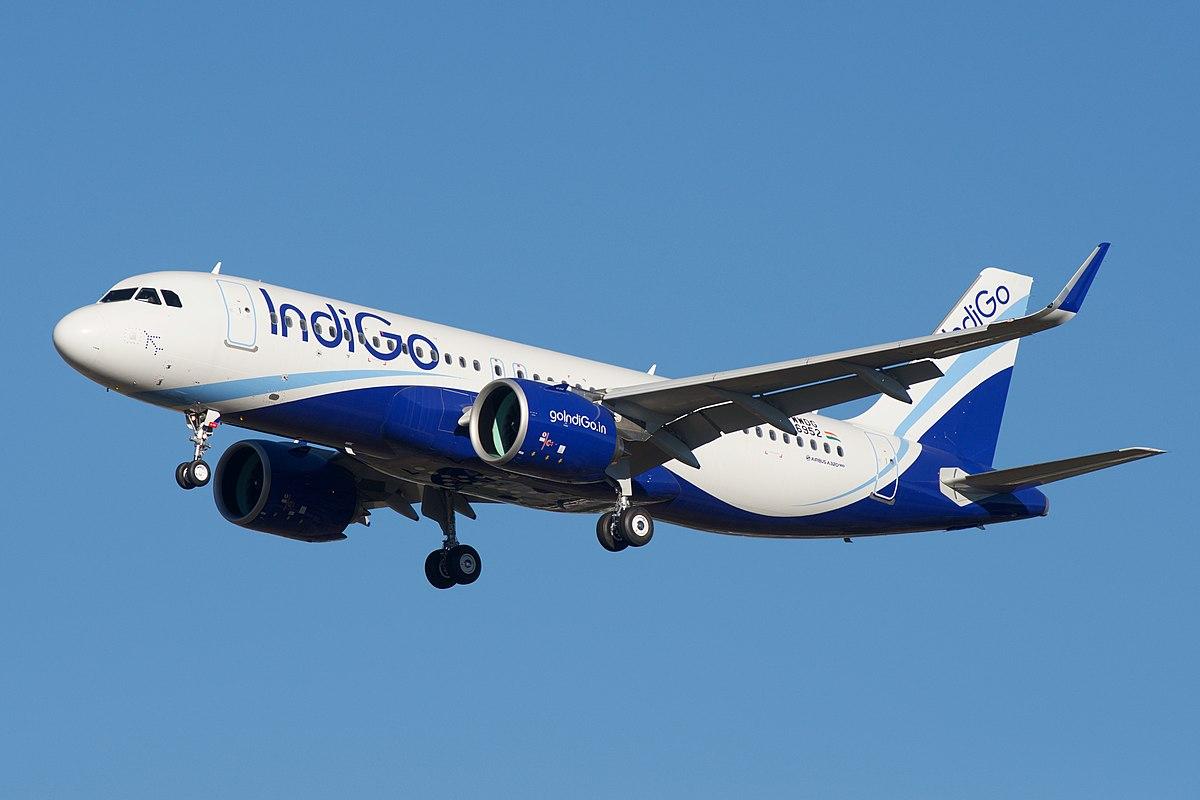
Navi Mumbai International Airport (NMIA) is positioning itself to emerge as a major hub for leading domestic and international airlines, with plans to significantly enhance regional connectivity and cargo capacity. Airport officials say discussions are underway with major carriers, with the aim of attracting airline bases that could transform the country’s aviation landscape and strengthen its role in global air travel.
Speaking at an industry forum, an NMIA senior executive highlighted that India, with its growing aviation market and strategic geographical location, is ideally placed to develop large-scale transit hubs. Unlike many global cities that operate multiple airports, India’s metropolitan centres have typically relied on a single airport for all passenger and cargo operations. NMIA, backed by a major infrastructure conglomerate, aims to change that by complementing the saturated Mumbai airport and unlocking fresh capacity for both passengers and freight. The model draws inspiration from global transit hubs such as Dubai, Singapore, and London, where centralised airline bases and well-coordinated schedules enable travellers to reach distant destinations with minimal transfers. By channelling a significant portion of flight operations through Navi Mumbai, officials believe the airport can replicate this success in an Indian context, facilitating seamless east–west and north–south connectivity.
For passengers, the benefits could be transformative. NMIA’s operational plans include establishing direct and feeder routes to currently underserved airports within Maharashtra and neighbouring states, including smaller cities such as Kolhapur and Solapur. Currently, these regions face limited air links due to congestion at Mumbai’s existing airport. Officials argue that easing this bottleneck will not only improve accessibility for travellers but also stimulate economic activity and tourism in rural and semi-urban regions. From a business perspective, NMIA’s ambitions extend well beyond passenger traffic. The airport is being designed to handle an annual cargo throughput of up to 3.2 million metric tonnes, catering to sectors such as pharmaceuticals, agriculture, textiles, and e-commerce. With India’s freight market on a rapid growth trajectory, NMIA’s logistics capacity could make it a critical gateway for exports and time-sensitive goods, reducing reliance on distant ports and improving supply chain efficiency.
Industry analysts point out that the development of NMIA as a hub would have broader implications for urban planning, sustainability, and equitable economic growth. The project could help decongest Mumbai’s skies, reduce operational delays, and create employment opportunities both on and off the airport premises. However, they also caution that maximising these benefits will require careful integration with public transport networks and adherence to sustainable infrastructure standards. As the Mumbai Metropolitan Region becomes the first in India to host two international airports, NMIA’s success as a hub will depend on striking the right balance between capacity expansion, environmental responsibility, and passenger convenience. If executed effectively, it could set a precedent for other Indian cities to follow, paving the way for a more connected and competitive aviation sector.
Also Read: Train Services Hit On Bhusawal-Mumbai Line After Goods Train Derails Near Nandgaon
