


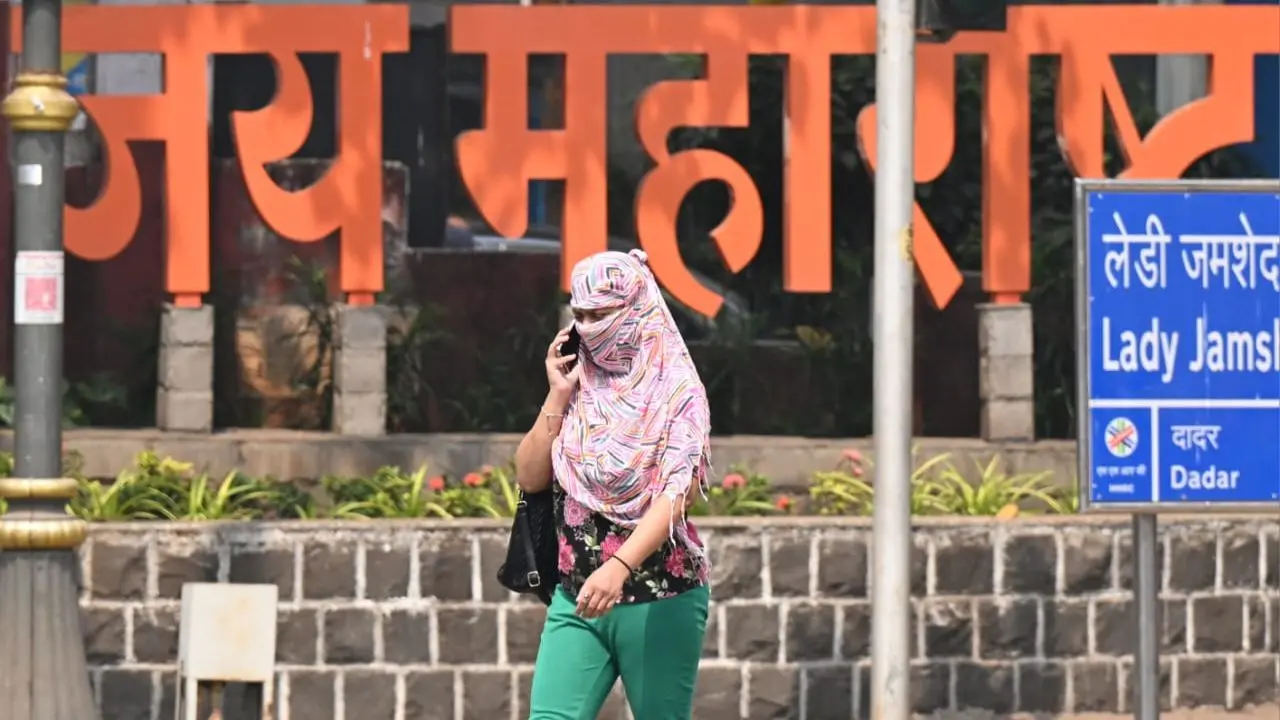
As temperatures in Nagpur rise toward 39 °C, residents and daily commuters are experiencing acute heat exposure at major traffic signals, prompting criticism of delayed mitigation measures by the Nagpur Municipal Corporation (NMC). Despite promises of “green net” shade relief to shield people waiting at intersections, the protective infrastructure has yet to be deployed at scale, highlighting challenges in urban heat resilience and people‑cent1red transport planning. Motorcyclists and three‑wheeler passengers were seen seeking any available shade at intersections across the city during peak afternoon hours, with minimal tree cover or shade structures to soften direct sun exposure. The stalled implementation comes at a time when heatwave conditions are becoming more frequent across central Indian cities, raising public health and urban comfort concerns along key commuting corridors.
The NMC’s shade‑net initiative, first trialled in previous years at select junctions like RBI and GPO Squares, was intended to help two‑wheeler riders and vulnerable commuters cope with summer heat, especially where built shade is scarce. However, locals say that the current rollout has been slow and uneven, despite official statements committing to expanded coverage this season. Urban planners emphasise that surface‑level shade alone cannot substitute for broader strategies that address urban heat stress comprehensively. “Heat mitigation in cities requires a layered approach — from expanded urban canopy and shaded pedestrian infrastructure to real‑time commuter safety signage and hydrating public spaces,” said a senior urban mobility specialist. Without such an integrated plan, marginal interventions like isolated shade nets may have limited impact on commuter comfort. Nagpur’s sprawling traffic signal network, which manages thousands of vehicles daily, particularly highlights the need for climate‑responsive road design. Waiting times at junctions — often compounded by inadequate pavement shading — have health and efficiency consequences, disproportionately affecting informal workers, delivery riders and low‑income commuters. Comparative city initiatives show earlier action can yield tangible benefits: in neighbouring urban areas, civic bodies have introduced heat action plans combining shade nets with water booths, misting systems and public advisories to reduce heat stress at commuting nodes. Such measures are increasingly recognised as part of climate‑adaptive urban mobility infrastructure that balances transport flow with human comfort.
For Nagpur, the summer surge exposes gaps in planning and prioritisation. Delays in deploying shade structures have coincided with a broader dialogue about urban heat resilience, including tree cover retention and signal‑area design reforms. Local resident groups are urging the NMC to publish a clear timetable for installation and to couple shade nets with pedestrian‑friendly redesigns of intersections. Experts urge that mitigating scorching conditions at signals should be part of a longer‑term strategy, integrating green infrastructure, real‑time traffic management and commuter safety measures into Nagpur’s urban fabric. As heat waves intensify under climate change pressures, responsive civic design will be key to protecting people who live, work and move through the city every day.
ALSO READ – Nagpur Firm Faces LPG Logistics Crisis At Strait Of Hormuz
NMC Faces Heat Relief Delay Amid Rising Nagpur Temperatures
