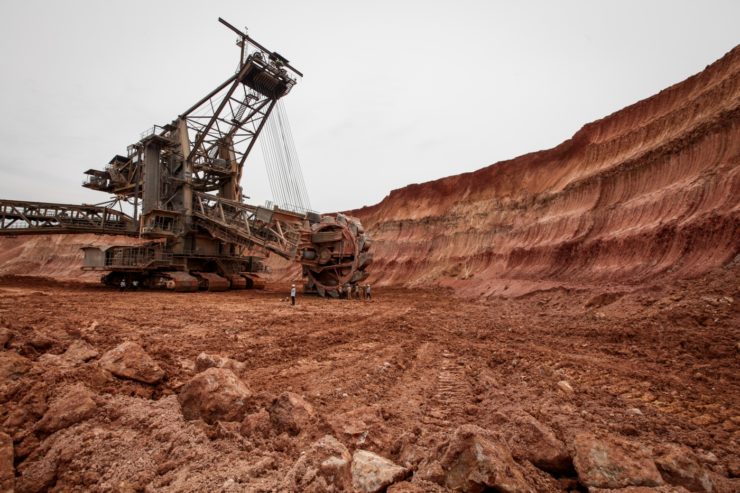
A recent audit by the Comptroller and Auditor General (CAG) has raised significant concerns about governance and environmental compliance at NLC India Ltd, one of India’s largest state-run lignite mining and power companies. The audit found that mining operations continued at the company’s Neyveli Mine-II site without a valid environmental clearance (EC) due to delays in revalidation, exposing wider regulatory and operational risks in mineral extraction activities.
The CAG’s performance audit, covering the period from 2017-18 to 2022-23, revealed that NLC India did not secure timely reapproval of an EC following a Supreme Court order and subsequent Ministry of Environment, Forest and Climate Change directives. This lapse was attributed to coordination failures between the company’s environmental compliance unit and the Mine-II planning department, which resulted in unauthorised mining activities and restricted the production and sale of minor minerals.Environmental clearance is a foundational requirement for mining operations in India, designed to ensure that extraction activities proceed in line with ecological safeguards and social obligations. The absence of such sanction not only places the company in violation of statutory norms but also raises questions about the oversight mechanisms within public sector undertakings entrusted with managing extractive resources.
The audit also flagged land constraints at Neyveli, where only a small fraction of the allotted land remained available for active extraction after accounting for mined areas and waste dumps. Limited active mining space has reportedly contributed to substantial lignite shortfalls — depriving the company of feedstock for power generation and resulting in an estimated 2.77 million tonnes deficit and potential revenue loss.Beyond regulatory non-compliance, the report highlighted operational challenges in associated thermal power stations, where equipment outages and system failures curtailed plant performance, leading to significant potential revenue shortfalls in capacity charges.
Urban development and energy policy analysts observe that stronger institutional coordination is essential to balance resource extraction with environmental protection. Lignite mining and coal-based power generation remain integral to India’s energy mix, yet their environmental footprint complicates national commitments to cleaner growth and climate resilience. Ensuring that infrastructure and energy firms adhere rigorously to environmental regulations is critical for sustainable regional development.Experts note that procedural lapses like delayed clearance revalidation can have cascading effects — from local ecosystem degradation to broader fiscal impacts — potentially undermining the credibility of regulatory frameworks governing land-use and extractive industries. Strengthened internal compliance systems, transparent reporting, and proactive engagement with environmental authorities are seen as steps towards mitigating such governance risks.
As Parliament examines the findings, NLC India’s next phase of operations will likely involve corrective action on regulatory compliance, renewed clearances, and strategic planning to align mining activity with environmental norms and community expectations.