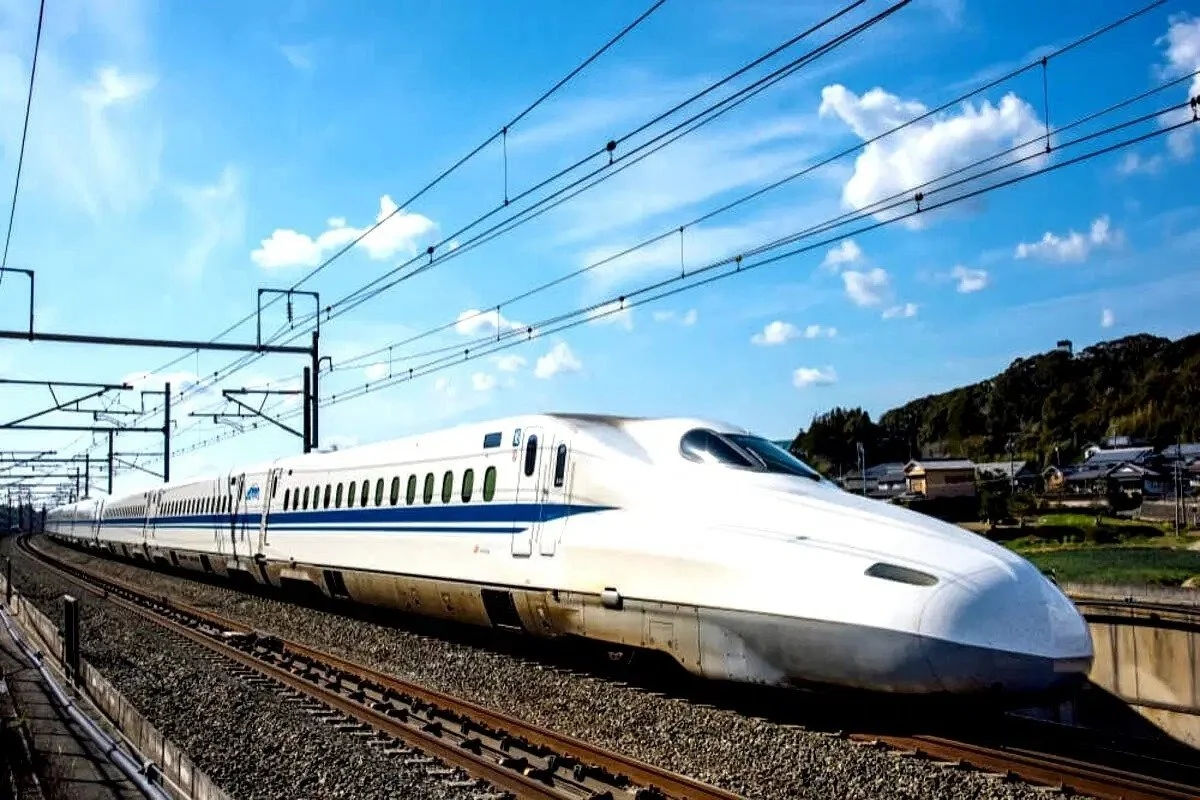
India’s first high-speed rail corridor has entered a critical governance phase with the appointment of an independent agency to evaluate system-wide safety across the Mumbai–Ahmedabad route. The National High Speed Rail Corporation Limited (NHSRCL) has awarded a long-term consultancy contract for Independent Safety Assessment, marking a significant step in aligning the project with global railway safety and risk management standards.
The contract, spanning over seven years, covers the comprehensive safety review of the 508-kilometre Mumbai–Ahmedabad High Speed Rail corridor, which is currently under construction across Maharashtra and Gujarat. Industry experts note that independent safety validation is a foundational requirement for high-speed rail systems worldwide, particularly those operating at speeds exceeding 300 kmph and integrating advanced signalling, rolling stock, power supply and civil structures. The safety assessment mandate includes continuous oversight across design, construction, system integration, testing and commissioning phases. This process is intended to identify latent risks early, ensure compliance with international technical benchmarks and reduce long-term operational vulnerabilities. For a project of this scale, such third-party scrutiny is seen as essential to public trust, passenger safety and regulatory transparency.
The selection process followed a multi-stage technical and financial evaluation, with only a limited number of qualified firms participating—highlighting the specialised nature of high-speed rail safety auditing. According to infrastructure analysts, the significant variation in bid values underscores the complexity of the assignment, which requires deep expertise in rail systems engineering, probabilistic risk analysis and lifecycle safety management. The Mumbai–Ahmedabad corridor is designed to connect 12 stations across two of India’s most economically active states, with the potential to reshape regional mobility patterns. Urban planners see the project as a cornerstone of low-carbon intercity transport, capable of shifting long-distance travel away from aviation and private road transport, thereby reducing emissions per passenger kilometre.
Beyond passenger safety, the Independent Safety Assessment is also expected to influence operational resilience. High-speed rail networks are highly sensitive to system failures, extreme weather events and maintenance lapses. A rigorous safety framework helps embed climate resilience into infrastructure design—an increasingly critical factor as heat stress, flooding and extreme rainfall events become more frequent. Senior transport officials indicate that the assessment will run parallel to construction progress, allowing corrective interventions without delaying project timelines. This approach is consistent with international best practice, where safety certification evolves alongside engineering milestones rather than being treated as a final checkpoint.
As India expands investment in next-generation rail infrastructure, the emphasis on independent safety governance signals a maturing project delivery ecosystem. For commuters, cities and regional economies, the success of the Mumbai–Ahmedabad high-speed rail corridor will ultimately depend not just on speed or connectivity, but on the reliability, safety and sustainability of the system once it becomes operational.
NHSRCL Advances Bullet Train Safety Oversight