NHRC Seeks Detailed Report On Meghalaya Mine Tragedy
India’s National Human Rights Commission (NHRC) has formally called on the Meghalaya government and the state’s police leadership to submit a detailed account of a deadly illegal coal mine explosion in East Jaintia Hills, as questions intensify over regulatory failures and worker safety in the region’s extractive sector. The directive underscores increasing scrutiny over unregulated mining and the systemic risks it poses to both human rights and environmental governance.
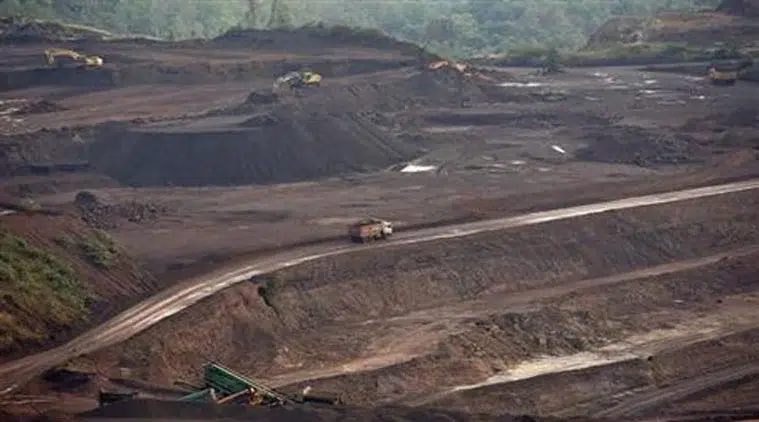
The blast, which occurred on 5 February in the remote Thangsku area of Mynsngat village, has been linked to an illicit “rat-hole” coal mining operation — a narrow, dangerous practice long outlawed by the National Green Tribunal (NGT) yet reported to persist in parts of the North-East. Preliminary official figures now show the death toll has climbed to around 30, with several injured workers hospitalized and rescue efforts having concluded after exhausting all avenues for survivors.In its notice, the NHRC took suo motu cognisance of media reports on the incident, instructing state authorities to file a comprehensive response within two weeks. The commission has specified that the submission should cover the ongoing status of rescue and recovery efforts, the provision of compensation to victims’ families, details of police investigations, and measures proposed or implemented to prevent future such tragedies.
The NHRC’s intervention comes amid overlapping legal and environmental probes. The NGT has also stepped in, hearing the case as an original application and expressly drawing attention to potential violations of environmental statutes — including the Air (Prevention and Control of Pollution) Act and the Environment (Protection) Act — alongside the continued operation of mining activity despite a 2014 ban on rat-hole techniques.Local authorities ordered a judicial inquiry to ascertain both the proximate causes of the explosion and accountability for continued illegal operations, while the Meghalaya High Court has summoned district administrators as part of its oversight.
Coal mining remains a contentious driver of economic activity in Meghalaya, where informal and unregulated pits often employ vulnerable labourers from within and beyond the state. Urban development specialists and labour rights advocates say this disaster highlights deeper structural gaps in governance: enforcement of environmental and safety regulations, and sustainable livelihood transitions for communities dependent on hazardous informal work. Effective oversight mechanisms aligned with national safety codes and environmental frameworks are seen as critical to protecting workers and reducing the climate and ecological footprint of extractive activities.
The tragedy also revives debate on balancing economic opportunity with human rights and environmental responsibilities in resource-rich regions. As authorities prepare their submissions to the NHRC and NGT, the broader policy focus will likely centre on strengthening enforcement, rehabilitation for affected families, and scalable alternatives to unsafe mining practices in India’s transition toward more resilient and equitable regional development.