


The National Human Rights Commission (NHRC) has initiated proceedings against the Brihanmumbai Municipal Corporation (BMC) Assistant Commissioner, under Section 18 (a)(i) of the Protection of Human Rights Act, 1993.
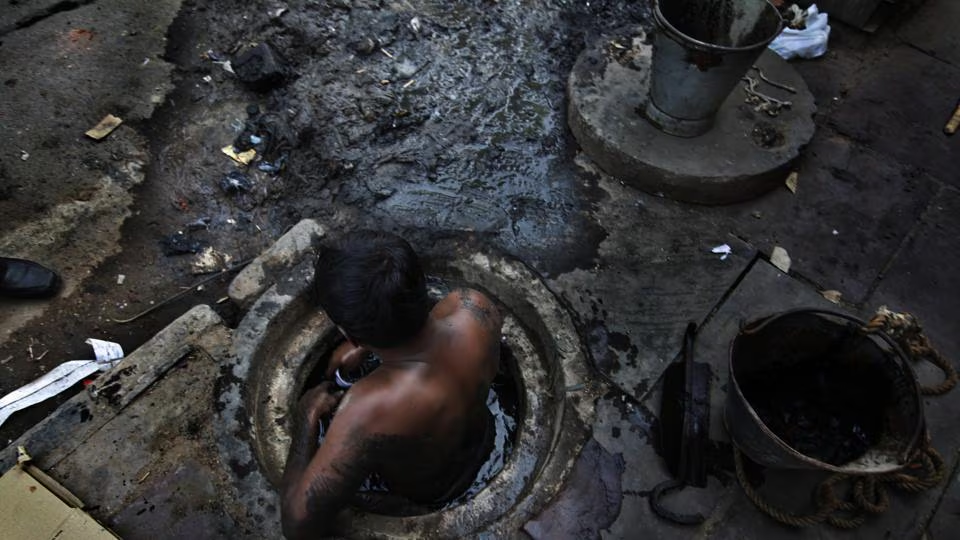
The move stems from a complaint filed by an NGO and local residents, highlighting instances of manual scavenging and hazardous cleaning practices in Mumbai’s Govandi area. The NHRC’s action follows photographic evidence submitted by concerned citizens, depicting labourers engaged in unclogging drains and entering manholes without adequate protective gear. The commission’s inquiry into the matter revealed lapses in compliance with safety regulations, raising questions about the violation of manual scavengers’ rights. In response to the complaint, the BMC submitted a report outlining its contractual arrangements with service providers for drain desilting operations. However, the report failed to address allegations of manual scavenging without safety gear, prompting the NHRC to issue a show-cause notice.
The notice underscores the prohibition of manual scavenging under the Manual Scavengers Act, 2013, which mandates the provision of safety equipment for workers engaged in such activities. Despite legislative safeguards, instances of manual scavenging persist, raising concerns about the BMC’s commitment to eradicating this inhumane practice.
Residents and activists have voiced dissatisfaction with the BMC’s response, citing continued violations despite court directives and government mandates to mechanize sewage cleaning processes. The persistence of manual scavenging underscores systemic challenges in enforcing regulatory frameworks and ensuring the safety and dignity of sanitation workers.
As the NHRC seeks accountability from municipal authorities, the case underscores the urgent need for robust enforcement mechanisms and proactive measures to eliminate manual scavenging and safeguard the rights of sanitation workers. The outcome of the NHRC’s inquiry is awaited, with implications for policy interventions and enforcement strategies aimed at upholding human rights and dignity in the workplace.
