NHAI Terminates Meerut Toll Collection Contract Over Misconduct
The National Highways Authority of India (NHAI) has cancelled the contract of the toll operator managing the Bhuni plaza on the Meerut–Karnal Expressway after employees were filmed assaulting a soldier earlier this month. The decision, which also debars the agency from future bids for one year, signals a sharper regulatory stance on misconduct at toll collection points across the country.
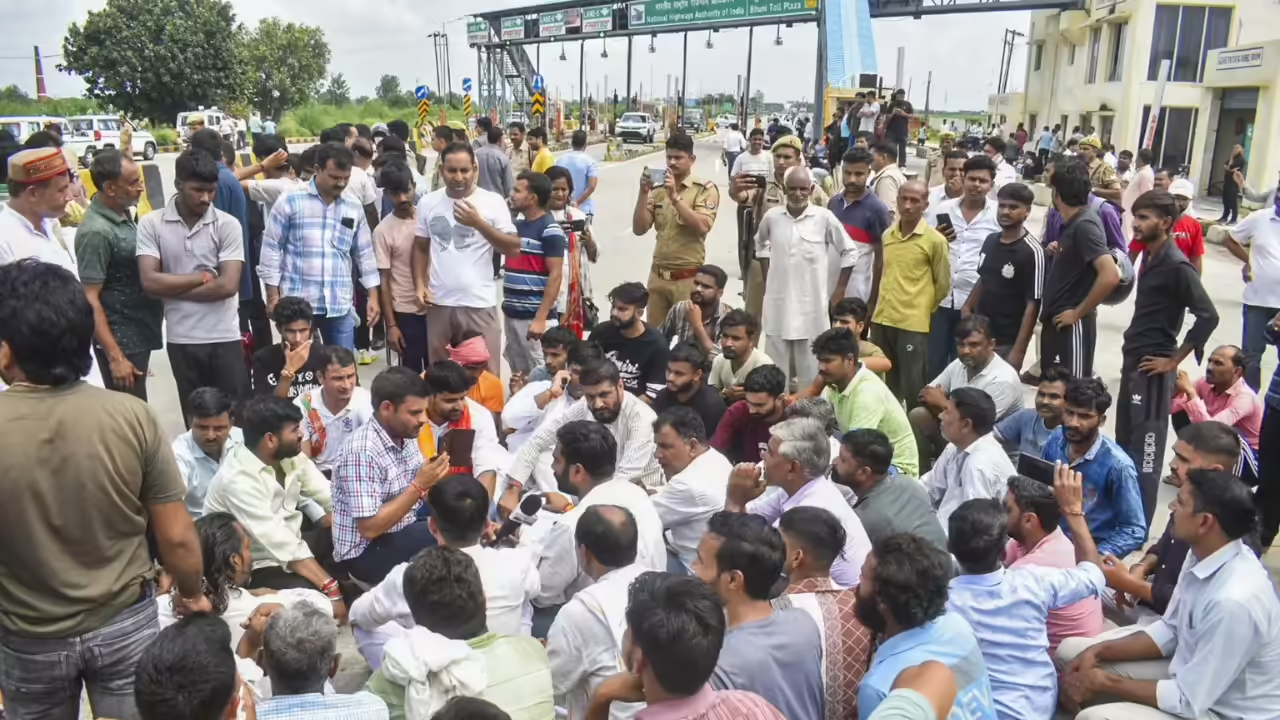
The viral footage showed multiple toll staff pinning down the uniformed traveller and striking him with sticks and a brick following a dispute at the booth. The incident sparked outrage among commuters, defence personnel, and civil society groups, who demanded stronger safeguards for road users. Officials said the altercation disrupted toll operations, damaged equipment, and violated the terms of contract, triggering immediate punitive action.
Following an internal inquiry, the highways body imposed a financial penalty of Rs 20 lakh on the operator and ordered encashment of performance security worth Rs 3.66 crore to cover damages. A show-cause notice issued to the agency was found unsatisfactory, further reinforcing the termination order. Officials emphasised that the behaviour of toll staff is as critical to user trust as the physical condition of highways. Experts note that toll plazas, already criticised for congestion and delays, face heightened scrutiny as India’s highway network expands. Instances of aggression or misconduct risk undermining the legitimacy of the tolling regime, which is premised on safe, efficient, and transparent services. Authorities have stressed that every interaction at toll points must reflect professionalism and courtesy, given that they serve as the face of highway administration for millions of travellers daily.
In response, the highways authority has instructed all agencies to strengthen staff monitoring, enforce strict disciplinary measures, and provide mandatory training programmes in customer interaction and communication skills. Special sessions were recently held to sensitise employees towards road users, with officials reiterating that respectful behaviour is non-negotiable. Observers suggest that the episode could accelerate the transition towards cashless, technology-driven tolling. Automatic Number Plate Recognition (ANPR) systems, RFID readers, and FASTag-based gantry tolling are being increasingly adopted to minimise human interaction, reduce disputes, and ensure smoother passage. By curbing manual handling of payments, such systems are also seen as contributing to lower emissions from idling vehicles, aligning with broader goals of sustainable mobility.
In the days following the incident, toll employees at several locations were seen saluting defence personnel and offering water bottles as a symbolic gesture of respect. While these gestures momentarily softened public anger, analysts argue that systemic reforms — including zero-tolerance enforcement and smarter tolling infrastructure — are necessary to rebuild trust and prevent repeat occurrences. For India’s highways, which carry the bulk of freight and inter-city passenger traffic, such accountability measures may define the future of public-private partnerships in toll management. The latest move in Meerut underscores not just punitive action against one operator, but a wider signal that tolerance for misconduct on national highways is nearing zero.