


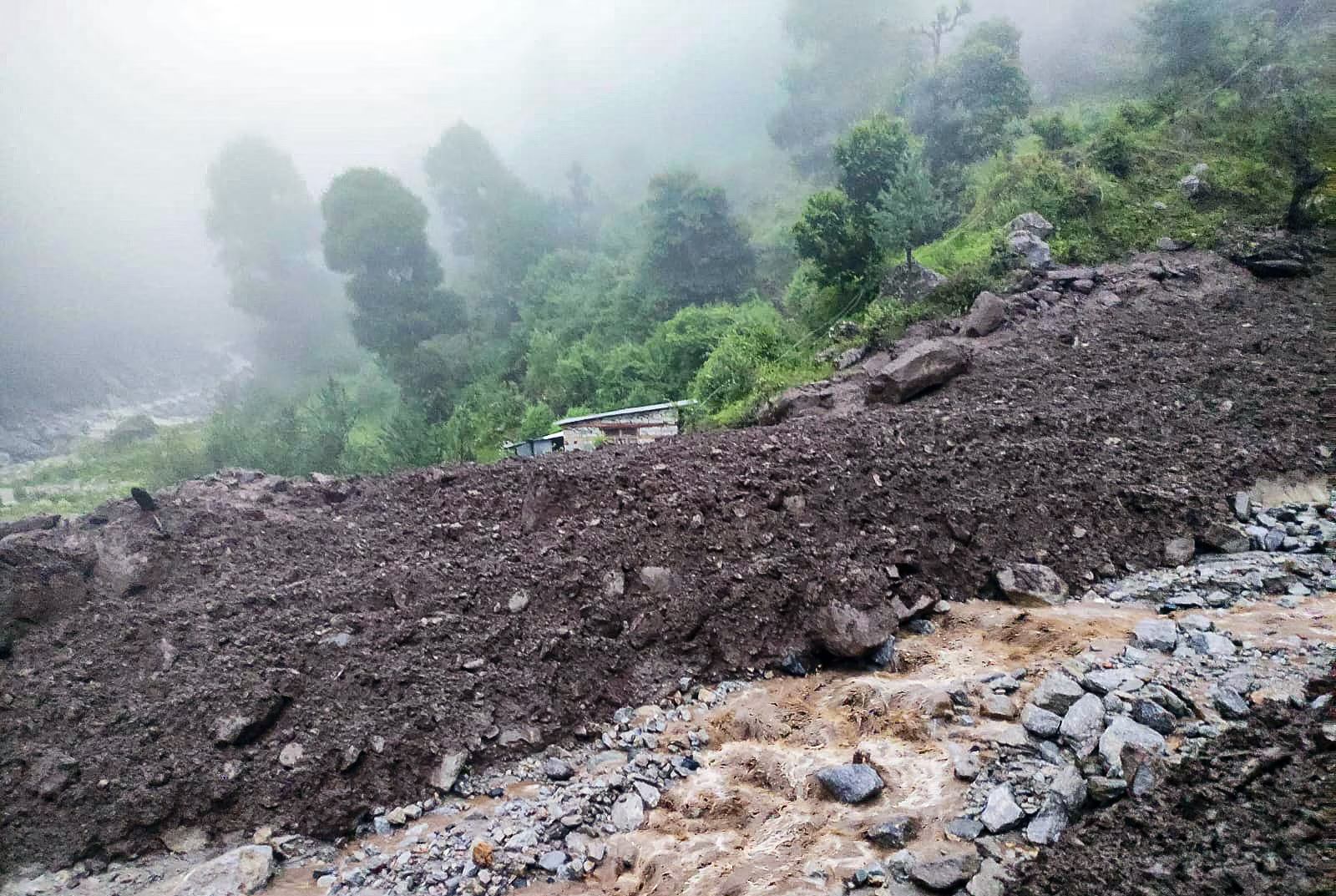
The ongoing devastation on the Kiratpur–Pandoh–Kullu–Manali corridor has exposed critical vulnerabilities in India’s approach to infrastructure development in ecologically fragile Himalayan regions. Following unprecedented flash floods, the National Highways Authority of India (NHAI) has initiated urgent repairs, a swift response that is a testament to the imperative of maintaining these vital socio-economic lifelines. With a substantial fiscal allocation of ₹100 crore sanctioned for immediate rectification, the focus is on reconnecting Manali, a key tourism and agricultural hub, which remains largely cut off from the state.
The crisis, however, extends beyond immediate disruption, serving as a powerful reminder of the human cost of unsustainable development. While emergency crews are mobilised on a war footing to address ten completely washed-out and five partially damaged locations, the recurring nature of these events demands a paradigm shift. Experts are now pushing for a long-term strategy that moves away from reactive repairs to proactive, climate-resilient engineering. This involves preparing a detailed project report for permanent solutions, including constructing elevated road structures and tunnels, a more sustainable approach than simply rebuilding what is inevitably destroyed by the next natural calamity. The damage to alternative routes managed by the state Public Works Department (PWD) further underscores the systemic fragility of the region’s transport network. In a move towards inter-agency collaboration, the NHAI has extended financial assistance for the immediate repair of these alternate roads, a pragmatic step to ease the burden on local communities and transporters.
The emotional and financial toll on local populations, especially farmers dependent on these routes to transport their produce, is immense. This is a story of not just blocked highways but of disrupted livelihoods and the resilience of a populace grappling with the harsh realities of climate-induced disasters. The government’s actions, while focused on economic continuity, must also consider a more equitable approach that prioritises the safety and well-being of residents. Moving forward, the focus must be on fostering a harmonious relationship between infrastructure and nature, ensuring that economic progress does not come at the cost of environmental integrity. The current crisis is a poignant call to action for all stakeholders to collectively envision and build a more sustainable and secure future for Himachal Pradesh.
Also Read :Pune Gets Union Nod For Rs 6000 Crore Elevated Bypass Road
