NHAI Issues Notices to 400 Eateries Encroaching NH‑48, Endangering Drainage
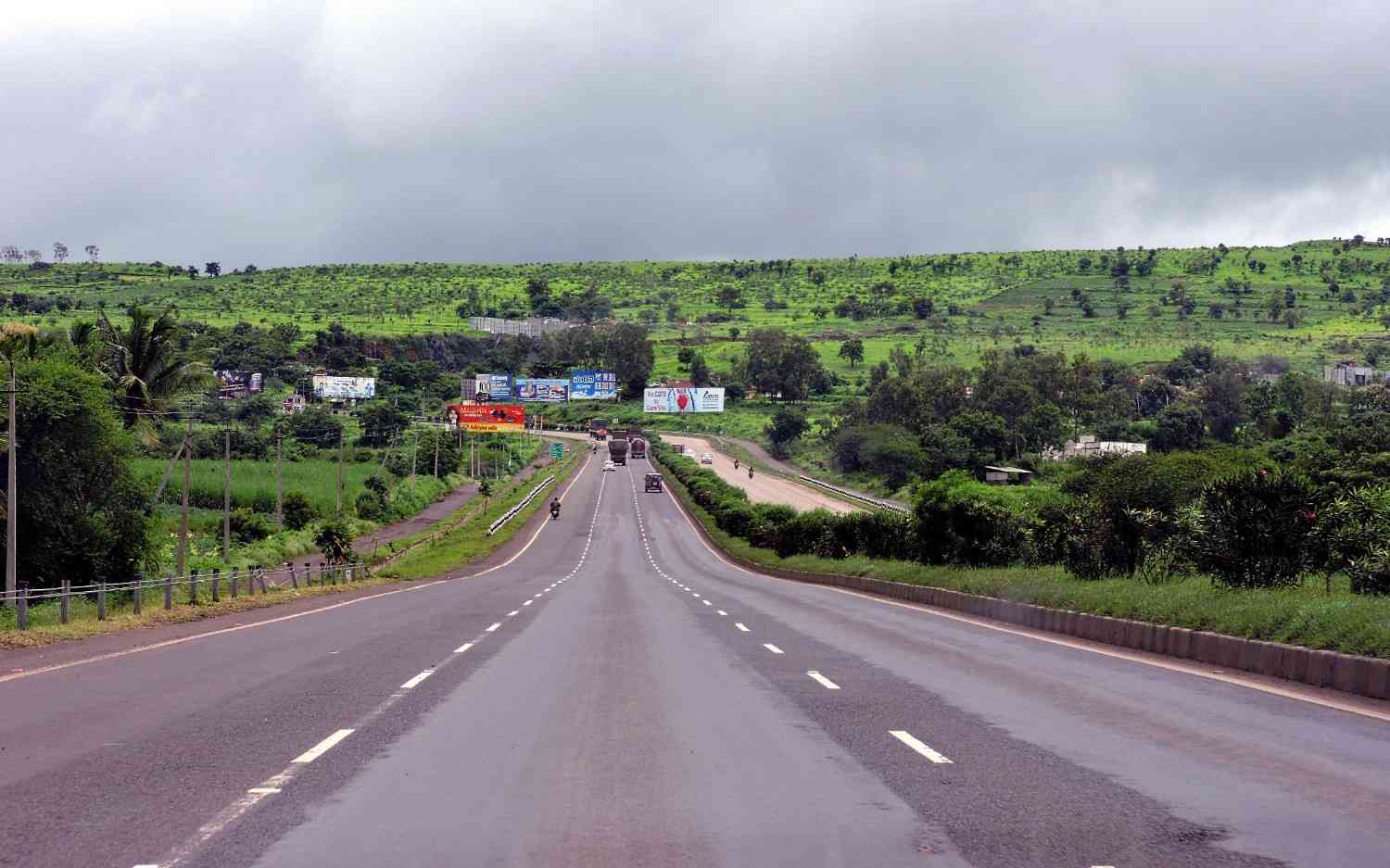
The National Highways Authority of India (NHAI) has issued notices to nearly 400 eateries, hotels, and dhabas operating along the Mumbai-Ahmedabad National Highway (NH48). This crackdown targets illegal encroachments on the highway’s right-of-way, which officials say are blocking natural drainage systems and causing rainwater to stagnate, leading to severe congestion and safety risks for all commuters. The action underscores a broader push for sustainable urban infrastructure.
Officials confirm that the recent flooding on stretches of NH48, particularly in areas like Sasunavghar and Maljipada, was a direct consequence of these encroachments. The illegal dumping of debris and landfill for commercial purposes has obstructed natural drains and water flow paths, causing rainwater to back up onto the main carriageway. This not only results in major traffic snarls, increasing commute times, but also forces drivers to navigate dangerously flooded sections. The move to dismantle these illegal structures is a crucial step towards restoring the highway’s original design and ensuring it can withstand monsoon conditions.
The action follows persistent criticism from commuters and activists who have long highlighted the illegalities. A highway activist pointed out that commercial establishments have repeatedly damaged or removed metal crash barriers for their business needs, with little to no consequence. This lack of enforcement has created a culture of disregard for safety and public property. The latest notices, which give the establishments a short window to represent their case before facing penalties and eviction, signal a new, more stringent approach from the authorities.
The issue of illegal encroachments is not just a matter of traffic management or law enforcement; it is fundamentally an environmental and social one. When rainwater drainage is blocked, it leads to prolonged traffic jams, resulting in increased vehicle idling and higher fuel consumption. This directly contributes to higher carbon emissions and urban air pollution, which run contrary to the city’s vision of becoming a zero-net-carbon, eco-friendly metropolis. Furthermore, the chaotic and unsafe conditions created by these illegalities disproportionately affect vulnerable commuters who rely on a safe and predictable road network for their livelihood.
The firm stance taken by the NHAI serves the larger public interest. By prioritising the integrity of the infrastructure, the authority is working to ensure that the highway remains a reliable and safe lifeline for millions. This move sets a precedent for disciplined urban development and reinforces the importance of maintaining public assets to serve all members of society, thereby advancing the goals of creating truly equitable and sustainable transport systems for the future.