


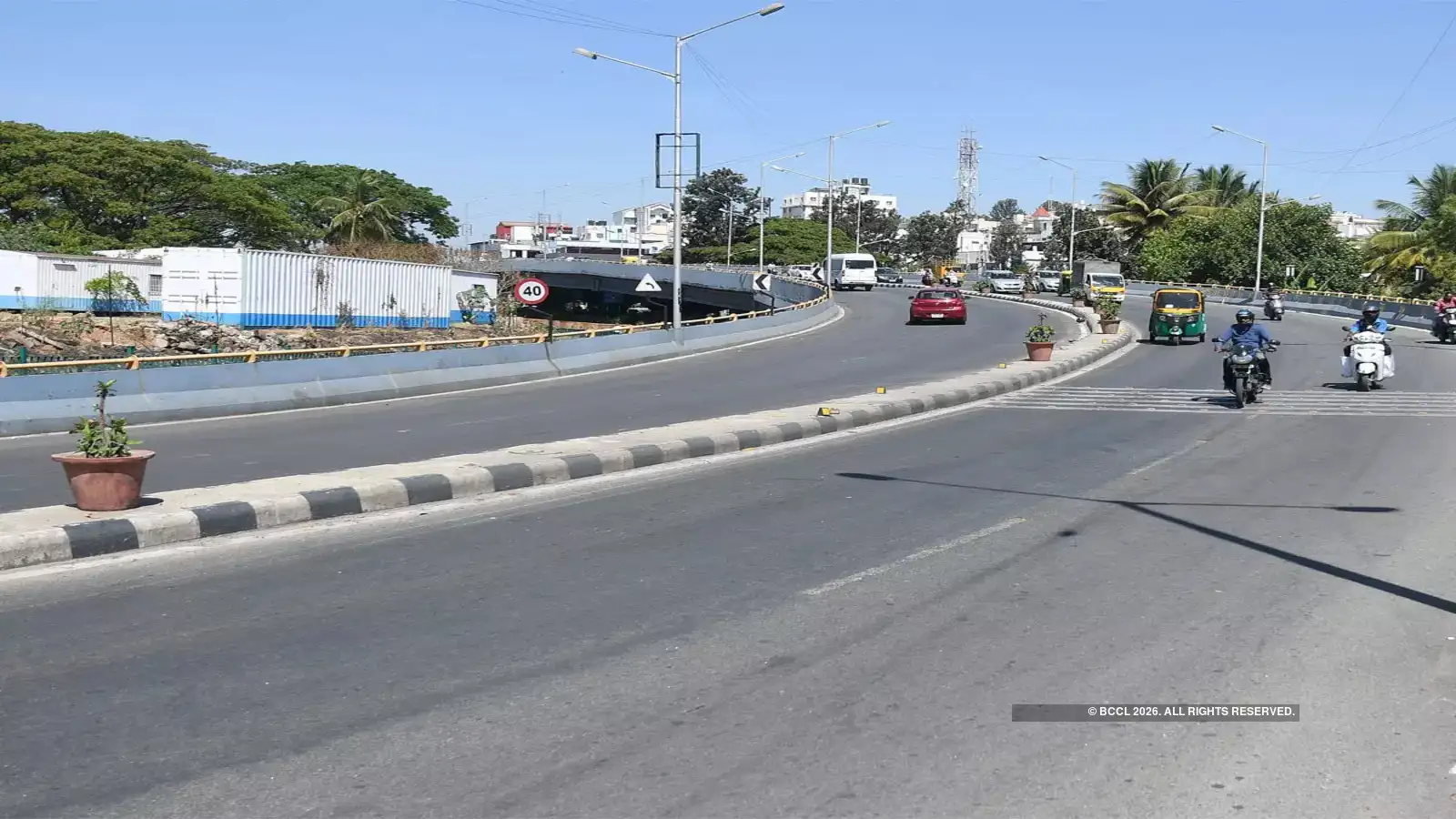
The National Highways Authority of India has cleared a ₹6,220.90 crore bid from National Highways Infra Trust under its highway asset recycling programme, marking another step in the government’s NHAI highway monetisation strategy to unlock capital for new road construction.
The transaction covers two operational corridors spanning 310.35 km across Maharashtra and Andhra Pradesh. These include a 255.97 km stretch of NH-53 connecting Amravati, Chikhali and Tarsod, and a 54.38 km segment of NH-16 between Gundugolanu and Chinna-Avutapalli. Both corridors are revenue-generating assets with established traffic flows.Under the Infrastructure Investment Trust (InvIT) model, toll revenues from completed highways are transferred to a trust structure backed by institutional investors. The upfront proceeds are then redeployed into greenfield and expansion projects. According to officials, the latest award pushes cumulative monetisation through the trust close to ₹50,000 crore.
Policy analysts say NHAI highway monetisation has become central to India’s road financing architecture. Rather than relying solely on budgetary allocations or fresh borrowing, the authority is leveraging mature assets to fund network expansion. This approach is expected to reduce fiscal strain while maintaining momentum in highway development.Institutional participation has been robust in earlier rounds of capital raising by the trust, drawing pension funds and domestic financial institutions. Long-term investors view toll roads as stable, yield-generating infrastructure assets. For the authority, this creates a recycling mechanism that aligns with the broader National Monetisation Pipeline.
From an urban and regional planning perspective, the corridors included in this round play strategic roles. The NH-53 section in Maharashtra links agrarian and industrial belts, while the NH-16 stretch in Andhra Pradesh forms part of a key east coast freight artery. Improved financial sustainability of such routes can enhance maintenance standards and travel reliability.Infrastructure economists note that monetisation must be balanced with user interests. Transparent toll policies, predictable maintenance and safety upgrades are critical to maintaining public trust. As traffic volumes increase, climate-resilient design — including flood mitigation and heat-resistant materials — will also shape long-term asset performance.
The InvIT model is increasingly viewed as a template for other sectors, including power transmission and urban utilities. However, experts caution that asset quality, traffic projections and regulatory stability remain decisive factors in sustaining investor appetite.For NHAI, highway monetisation is not merely a financing tool but a structural shift in how national transport infrastructure is funded. The ability to reinvest proceeds into new corridors could accelerate connectivity in underserved regions, provided governance frameworks remain strong.As India expands its road network to support logistics efficiency and economic growth, the monetisation pathway may define how quickly and sustainably those ambitions are realised.
Also Read:Ahmedabad Vastrapur Road Widening Unlocks Redevelopment
NHAI Highway Monetisation Deal Advances
