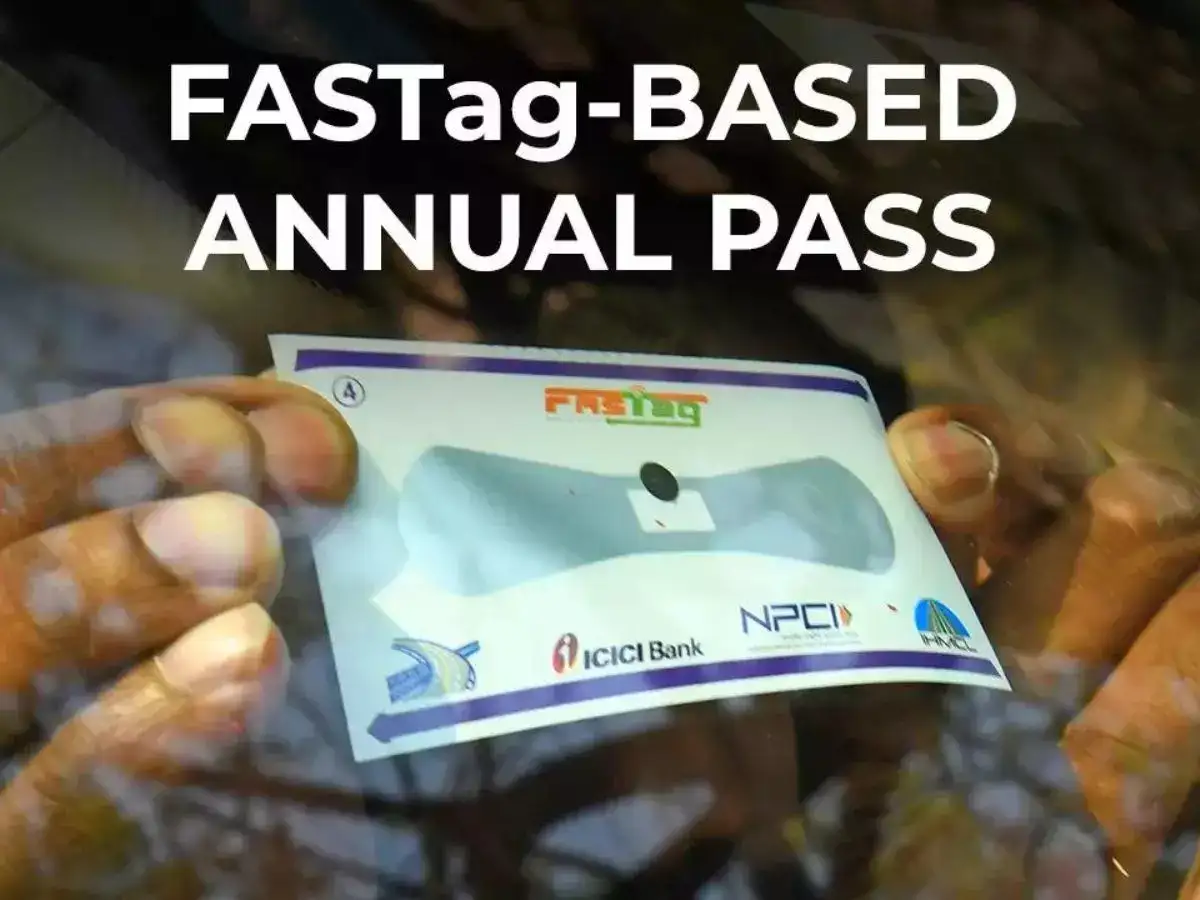
India’s national highway network is undergoing a notable change in private vehicle travel behaviour, with the FASTag annual pass emerging as a preferred payment option for frequent car users. Since its introduction six months ago, the pass has been adopted by over 50 lakh private vehicle owners, signalling a growing shift towards predictable, subscription-based mobility on intercity road corridors.
The trend is particularly significant for urban regions and satellite towns that depend heavily on national highways for daily and short-distance travel. Transport data reviewed by Urban Acres indicate a sharp rise in highway usage among car owners who previously made limited annual trips. Officials tracking toll patterns say journeys by users who typically undertook fewer than 100 highway trips a year have increased by nearly 50%, suggesting that upfront pricing certainty is encouraging more discretionary and routine travel. At a network level, FASTag annual pass transactions now account for close to 28% of all car movements on national highways. This penetration is reshaping traffic management strategies, especially as India prepares to expand Multi Lane Free Flow tolling systems. Barrier-less toll collection relies on seamless digital payments, and higher adoption of prepaid passes reduces congestion risks at high-volume plazas.
Regional data highlight uneven but telling adoption patterns. Northern urban centres and southern states have emerged as early leaders, reflecting higher vehicle ownership and frequent intercity movement. Chandigarh records the largest share of annual pass transactions nationally, followed by Tamil Nadu and Delhi. Within the Delhi NCR, several toll plazas have crossed the halfway mark, with more than half of non-commercial vehicles now using the annual pass for crossings. These corridors largely serve commuters travelling between residential suburbs, employment clusters, and logistics zones. The annual pass, priced at a fixed one-time fee for either a year’s validity or a capped number of crossings, is available across more than 1,100 toll plazas on national highways and expressways. Urban mobility experts note that such pricing models reduce the mental and financial friction associated with repeated toll payments, especially for households balancing rising transport and housing costs.
Beyond convenience, the shift carries broader urban and environmental implications. Smoother toll operations reduce idling time at plazas, cutting fuel wastage and local emissions along busy corridors. For highway operators, predictable revenue inflows improve planning for maintenance, safety upgrades, and capacity expansion, all critical as peri-urban growth accelerates. As toll charges are revised periodically, policymakers face the challenge of maintaining affordability while sustaining infrastructure investment. Going forward, planners see scope to integrate FASTag annual pass data into traffic forecasting and regional planning frameworks, ensuring that highway expansion aligns with sustainable urban growth rather than encouraging unchecked sprawl.
NHAI Data Shows FASTag Annual Pass Momentum