


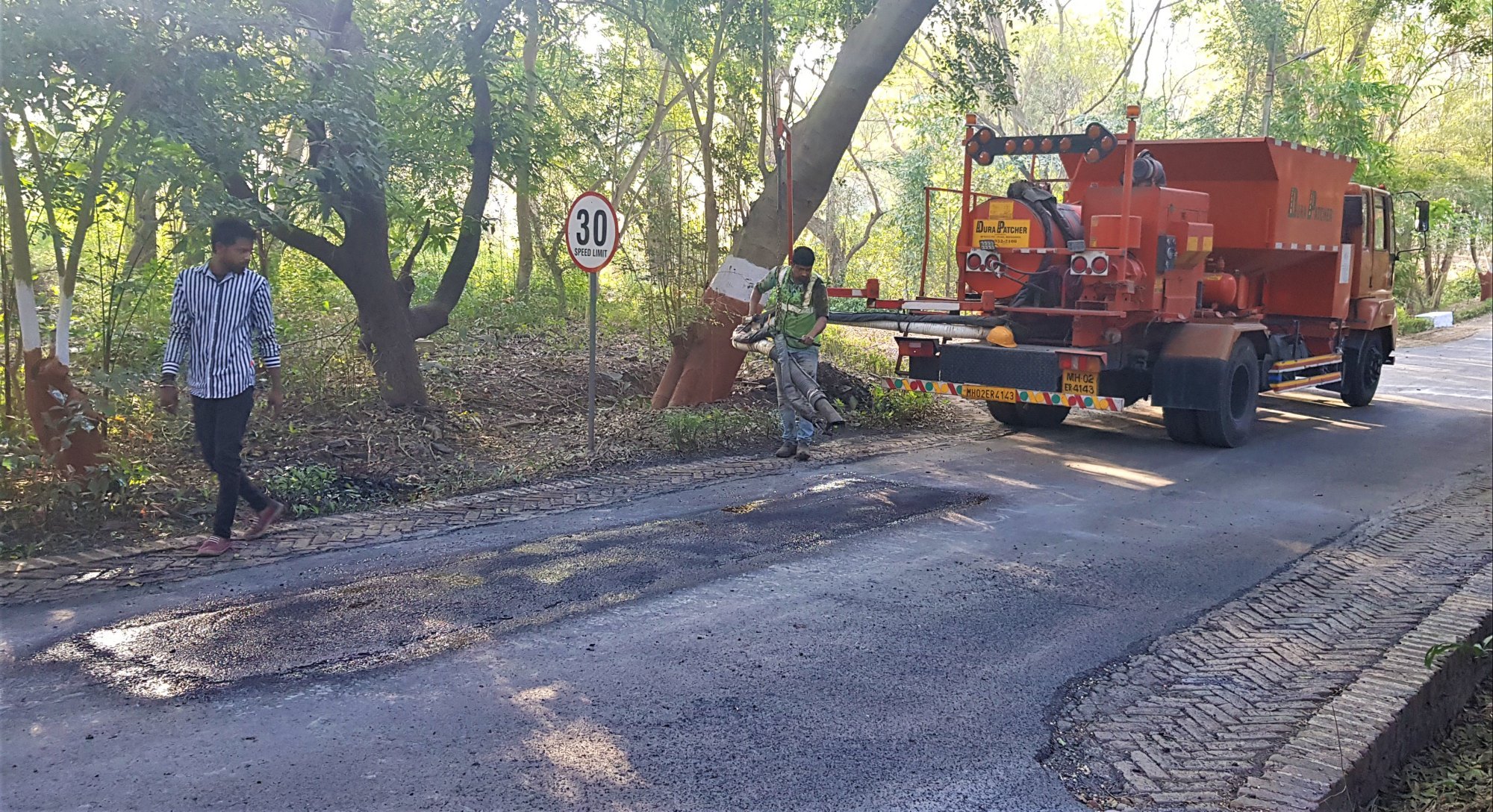
Kozhikode is set to see an increased workforce deployed for urgent National Highway repair and widening works, a decision spurred by public outcry over chronic delays and deteriorating road conditions. The move, which follows intense discussions between local representatives and the National Highways Authority of India (NHAI), aims to address immediate concerns over road safety and commuter distress. The monsoon season has exposed critical vulnerabilities in the city’s transport infrastructure, transforming the NH-66 into a perilous stretch for daily commuters, with residents and local businesses bearing the brunt of the negligence.
The rapid escalation of the problem has been attributed to an inadequate workforce at the construction sites, a factor that has persistently delayed the scheduled repair work. Local action committees have been vocal about this issue, highlighting how the slow pace of progress has created a hazardous environment for motorists. As a result of the pressure from these committees, the NHAI has committed to completing all emergency road repairs on the NH-66 within a week. This accelerated timeline is a direct response to the community’s demand for immediate action, particularly in accident-prone zones at Thiruvangoor, Vengalam, and Vadakara. However, an engineer overseeing the project has raised a crucial caveat: the timely completion remains heavily dependent on favourable weather conditions.
The human element of this crisis is stark. The poor state of service roads, marked by deep potholes and uneven surfaces, has not only caused significant mechanical damage to vehicles but has also led to a reduction in fuel efficiency, an issue that impacts both the environment and personal finances. For private bus operators and light vehicle drivers, the situation is particularly dire. The absence of proper streetlights and warning signs has turned night travel into a dangerous gamble, leading to numerous accidents. A member of a local action committee poignantly noted that it is often those unfamiliar with the road’s perilous condition who fall victim to these hazards. The crisis is a powerful reminder that infrastructure failures are not just about traffic jams; they are about human safety and the erosion of public trust.
This entire episode serves as a case study in the broader challenge of building zero net carbon, eco-friendly, and sustainable cities. A resilient urban centre requires more than just new highways; it needs a robust maintenance framework that can withstand climatic shocks. The current crisis in Kozhikode highlights the need for sustainable urban mobility solutions that can adapt to changing weather patterns. It also underscores the importance of a gender-neutral and equitable approach to infrastructure, ensuring that roads are safe for all users, including pedestrians and two-wheeler riders, who are often the most vulnerable.
In conclusion, while the promise of an increased workforce is a welcome development, the long-term solution lies in a fundamental re-evaluation of how urban infrastructure is planned and maintained. The focus must shift from a reactive, crisis-driven approach to a proactive, sustainable model. The community’s voice has been instrumental in compelling authorities to act, but the real test will be whether this urgency translates into a long-term commitment to building resilient and safe cities, a commitment that can withstand not only the immediate pressures of the monsoon but also the larger, looming threats of climate change.
Also Read :Nagpur Gondia Expressway Approved, ₹3162 Crore Project Cuts Travel Time
