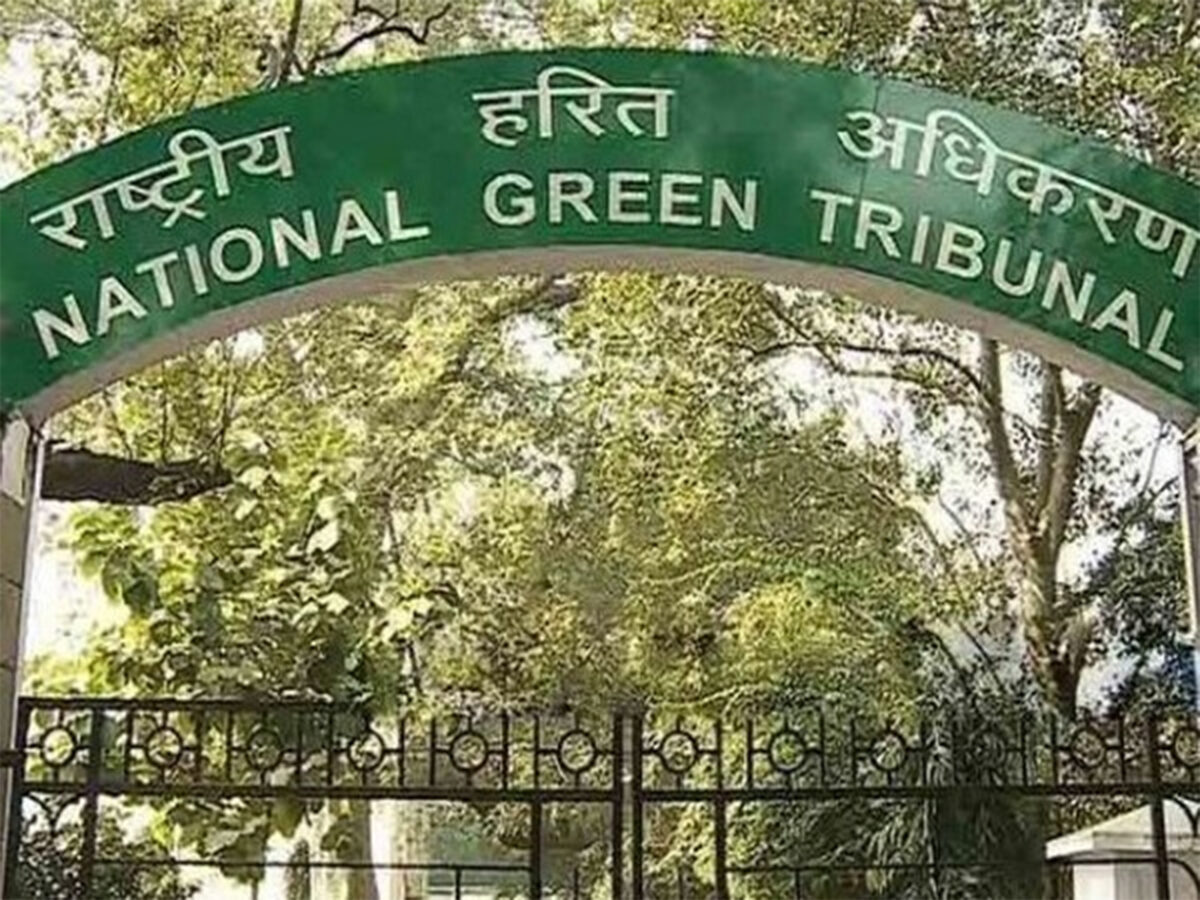
National Green Tribunal has ruled that GPS tracking water tankers must be implemented across all categories of commercial supply vehicles operating in Delhi. The directive brings treated wastewater carriers under the same compliance framework as groundwater tankers, signalling a tighter regulatory approach to curb misuse and improve accountability in the capital’s fragmented water logistics network.
The clarification comes amid disputes over whether tankers transporting treated sewage water should be exempt from earlier monitoring rules. The tribunal has now made it clear that regulatory intent extends to all forms of bulk water movement, regardless of source, as long as it is supplied commercially through tanker operations. This effectively removes a grey area that had allowed some operators to contest enforcement measures. At the centre of the ruling is the requirement for GPS tracking water tankers, a system aimed at ensuring traceability and preventing unauthorised extraction or diversion of water. Authorities argue that without real-time monitoring, tanker operations can be used to mask illegal groundwater lifting or supply inconsistencies, particularly in peri-urban and high-demand zones.
Urban policy experts note that tanker-based distribution has become a parallel water economy in many Indian cities, especially where piped supply is unreliable or insufficient. In Delhi, a combination of population growth, uneven infrastructure, and seasonal demand spikes has led to widespread dependence on private and semi-regulated tanker services. This, in turn, has raised concerns around pricing, water quality, and environmental sustainability. The tribunal has also emphasised the need for stricter documentation protocols. Tanker operators will now be required to carry verifiable records for each trip, including loading and delivery details, which must be presented during inspections. Authorities have been empowered to take enforcement action, including vehicle seizure and legal proceedings, in cases of non-compliance.
Officials have been directed to strengthen monitoring systems by maintaining detailed logs of tanker movements and water sources. The absence of such records has previously led to enforcement ambiguities, including instances where vehicles were detained due to lack of documentation rather than confirmed violations. The updated framework aims to reduce such inconsistencies while tightening overall compliance. From a sustainability perspective, the inclusion of treated wastewater within the regulatory net reflects a broader push towards circular water use in urban environments. However, experts caution that while reuse is critical for long-term water security, it must be accompanied by transparent tracking and quality assurance to maintain public trust.
The ruling also signals a shift towards data-driven governance in urban utilities, where digital tools such as GPS tracking are increasingly seen as essential for managing complex service networks. As cities expand and water demand intensifies, such measures could become standard practice across metropolitan regions. Going forward, the effectiveness of the directive will depend on enforcement capacity and institutional coordination. For Delhi, the move represents a step towards formalising an often opaque segment of urban infrastructure, with implications for water equity, environmental protection, and service reliability.
NGT Extends GPS Compliance To All Water Tankers Including Treated Supply