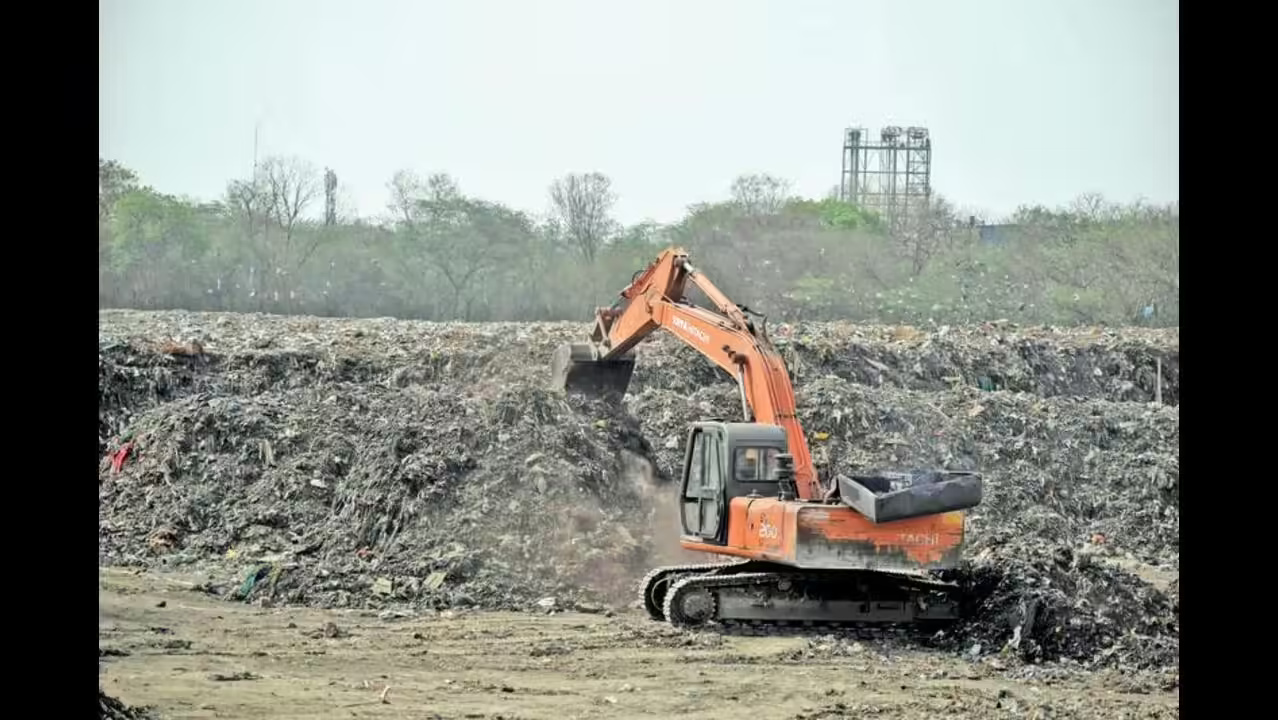
The National Green Tribunal (NGT), Central Zone Bench in Bhopal has issued a comprehensive directive targeting illegal dumping and burning of municipal waste in Bhopal’s environmentally sensitive zones, particularly the Kaliyasot dam green belt. The ruling, issued during the hearing of a public interest petition, mandates strict compliance with solid waste management norms and places accountability on municipal authorities and industries within a 100-km radius of refuse-derived fuel (RDF) plants.
Officials noted that urban local bodies across Madhya Pradesh have been ordered to establish dedicated environmental cells staffed with qualified personnel to monitor and enforce waste management practices. The tribunal emphasised that violations of the Solid Waste Management (SWM) Rules, 2016, contribute to ecological degradation, pose public health risks, and undermine the effectiveness of waste-to-energy (WtE) infrastructure. District collectors and municipal commissioners in Bhopal have been asked to submit detailed action reports on the disposal of legacy waste, particularly at the Adampur dumping site. Municipal authorities in Indore, Jabalpur, Gwalior, and Rewa have received similar directives to provide compliance reports, reflecting a state-wide effort to address historical waste accumulation that has long challenged urban sanitation and environmental management.
The NGT highlighted operational inefficiencies in several WtE plants running below capacity due to inconsistent garbage supply. To mitigate these shortfalls, municipal commissioners of key cities have been instructed to transport waste across district and state boundaries, ensuring continuous feedstock for energy conversion. Officials emphasised that improved coordination could enhance plant utilisation, reduce landfill dependence, and generate renewable energy, aligning urban waste management with climate-resilient infrastructure objectives. Producer responsibility has also been reinforced under the tribunal’s orders. Manufacturers and brand owners of packaged goods must support local bodies financially or implement buy-back mechanisms for packaging waste. In addition, producers of sanitary products such as diapers and sanitary napkins are required to provide safe disposal solutions, ensuring waste management accountability extends across the product lifecycle.
The tribunal further sought updates on the status of a planned charcoal plant being developed with collaboration between public utilities and private partners, underscoring the integration of circular economy principles into city-scale waste management. Urban planners and environmental experts suggest that such initiatives, if properly monitored, can reduce ecological pressure on sensitive areas like Kaliyasot, while also creating economic opportunities in sustainable waste processing and energy generation. With the next NGT hearing scheduled for February 13, 2026, authorities are expected to report measurable progress. Analysts note that robust implementation of these directives could set a precedent for integrating legacy waste management, producer accountability, and WtE optimisation into sustainable urban infrastructure planning across central India.
NGT Directs Strict Ban On Waste Dumping