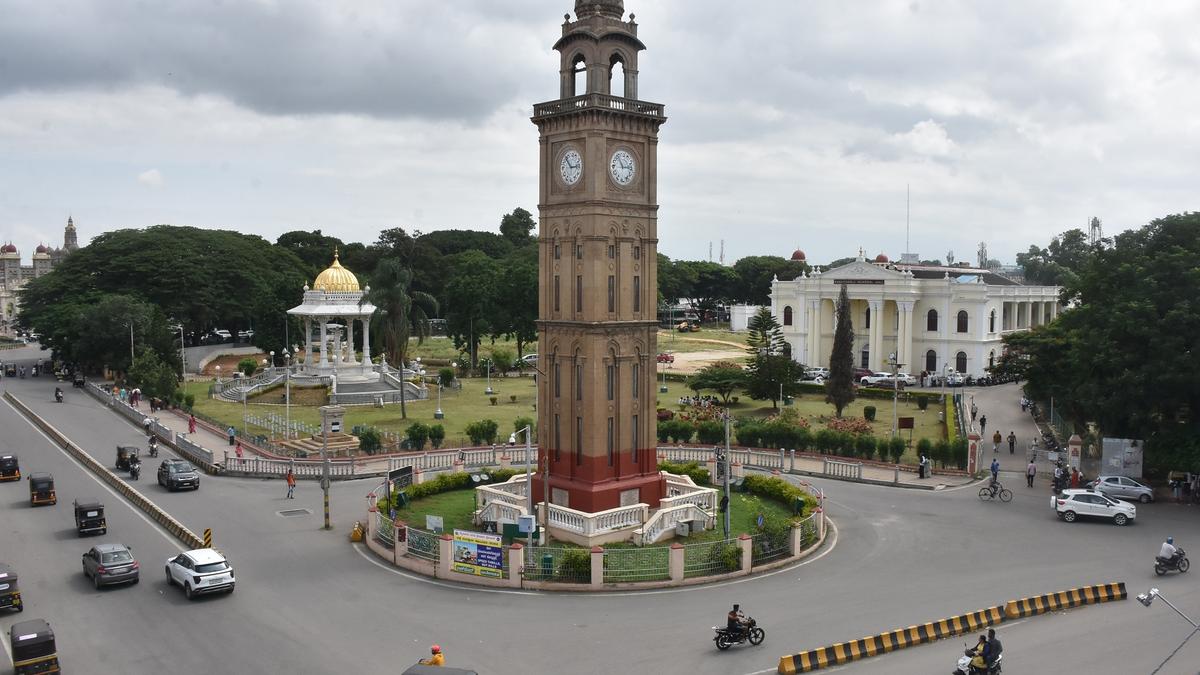
The Karnataka government has unveiled an ambitious ‘New Mysuru’ urban development project, aiming to transform the city into a modern economic hub while preserving its heritage. Promising growth in industry, tourism, and mobility, the plan also raises red flags among citizens and experts who worry about unchecked urban sprawl, ecological damage, and the potential erosion of Mysuru’s historic and environmental identity.
The ‘New Mysuru’ proposal outlines a five-pillar approach to city development, focusing on industrial growth, skilling, improved living standards, tourism, and urban mobility. The plan includes transforming Mysuru into a manufacturing hub, launching wellness and rejuvenation centres rooted in its ayurveda and yoga culture, and even exploring a rapid metro project. However, citizens and planners have voiced concern that these ambitions echo the problematic model seen in Bengaluru.
Environmental advocates warn that without a strong ecological vision, Mysuru may lose its green cover and distinctive heritage. The city’s struggles with lake conservation, unregulated tree-felling, and the degradation of iconic areas like Chamundi Hills have already triggered civic backlash. Critics argue that without transparency and stakeholder consultation, such mega-projects risk undermining the quality of life for residents.
The government’s plan leans heavily on a Public-Private Partnership (PPP) model, coupled with innovation-based incentives for investors. While these may streamline processes, critics argue that such moves often sideline public accountability and citizen voices. The mobility component, which includes a proposed metro line, may not align with the city’s existing density and transit patterns unless comprehensively studied. Furthermore, a focus on skilling and entrepreneurial hubs could be valuable if implemented with local needs in mind.
Residents and urban planners have also flagged that Mysuru’s masterplan may be ignored or diluted to accommodate the new proposal. The experience of Bengaluru — where rapid expansion has strained civic systems — serves as a cautionary tale. A sustainable model would instead involve robust civic engagement, heritage-sensitive zoning, green infrastructure, and climate-responsive design.
The ‘New Mysuru’ initiative holds potential to modernise the city, but only if equity, sustainability, and heritage are not sidelined. Real urban progress demands inclusive governance and environmental stewardship — not unchecked expansion. As Mysuru stands on the cusp of transformation, the state must ensure that its identity is preserved and that citizens are part of the process.