Mumbai’s fast-expanding metro network has taken a significant step forward with a fresh systems supply contract that strengthens both urban mobility and domestic manufacturing capacity. A global electrification and automation firm has secured an order to deliver traction equipment and digital train control systems for new metro corridors currently under development across the Mumbai Metropolitan Region. The move underlines the city’s growing reliance on technology-led public transport to manage congestion, emissions and economic productivity.
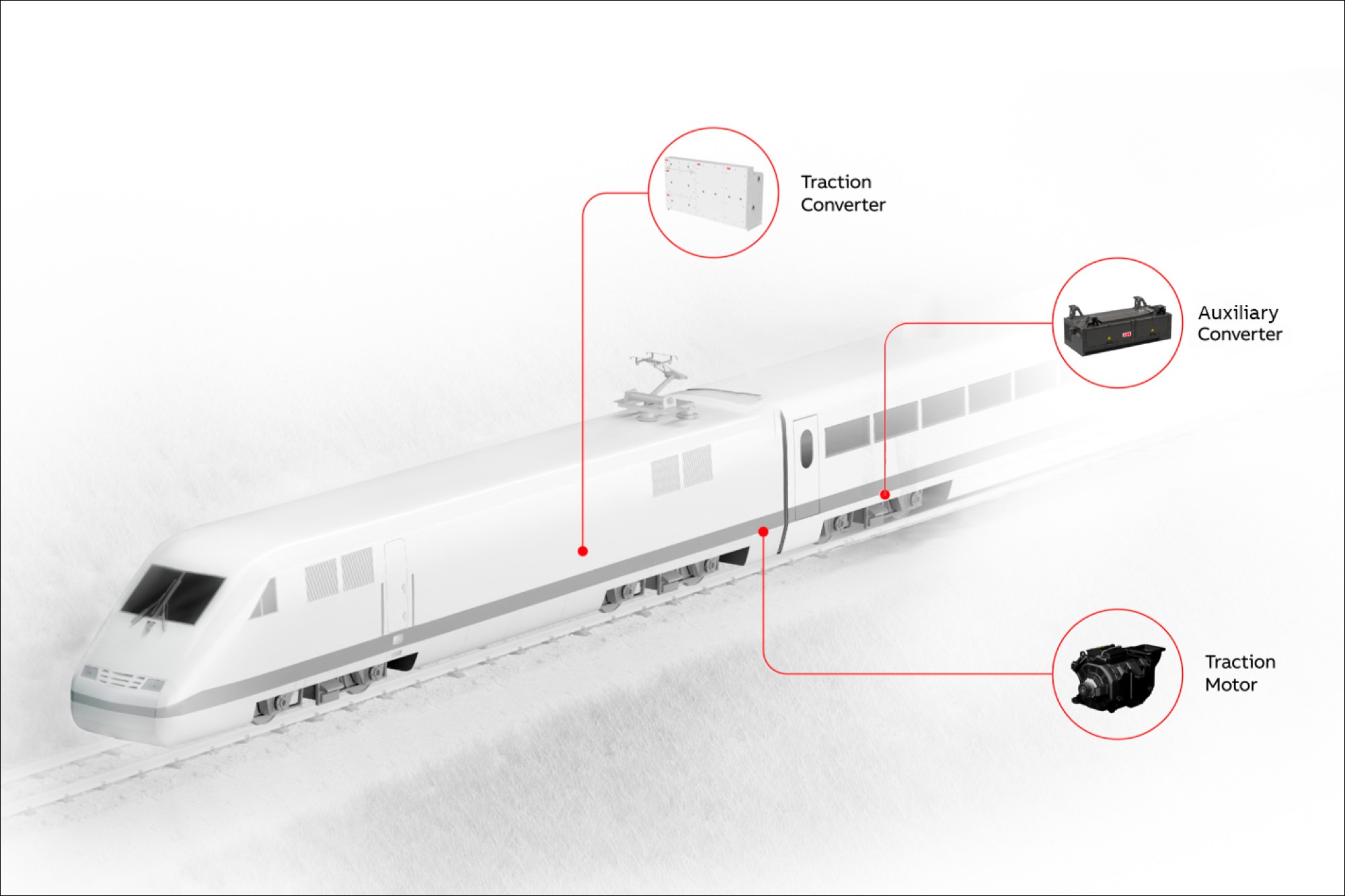
The contract relates to the deployment of 40 six-car metro trainsets earmarked for two east–west corridors now reshaping suburban connectivity. One corridor links Thane and Kalyan via Bhiwandi, while the other connects the western suburbs to the central-eastern employment hubs. Together, these lines are expected to cut commute times sharply across dense residential and industrial belts that have historically lacked high-capacity public transport. Industry officials familiar with the project say the trains will be equipped with integrated propulsion and control packages, combining traction converters, auxiliary power systems, electric motors and train control and management software. These systems regulate how trains accelerate, brake and consume energy, directly influencing operating efficiency, reliability and passenger comfort. For a network expected to carry several lakh daily riders, such efficiencies translate into lower lifecycle costs and reduced carbon intensity per trip.
Manufacturing and assembly will take place entirely within India, with key components produced at established industrial facilities in southern and western regions. Urban transport planners note that localised production reduces supply chain risks while aligning metro expansion with broader employment and skills development goals. It also supports India’s push to anchor high-value rail technology manufacturing within the country rather than relying on imports. For Mumbai, the timing is critical. The Mumbai Metro expansion is progressing alongside large-scale road works, redevelopment projects and suburban rail upgrades. Transport economists point out that without rapid mass transit additions, growth corridors such as Bhiwandi, Kalyan and Vikhroli risk deeper traffic saturation and rising logistics costs. Metro systems powered by modern traction technology are viewed as one of the few scalable tools capable of absorbing future travel demand without worsening air quality.
The project also marks a technological milestone, introducing higher-voltage alternating current traction systems into India’s metro ecosystem. According to rail sector experts, this enables better energy transmission over longer distances and supports future network extensions with fewer substations, reducing land use and maintenance overheads. As the Mumbai Metro expansion advances, attention will shift to execution timelines, testing and integration with existing lines. For commuters, the real measure of success will be whether these investments deliver safer, faster and more dependable journeys—while quietly reinforcing the city’s transition towards cleaner, more resilient urban transport.
New Mumbai Metro Lines Get Advanced Train Propulsion Systems