New Metro Corridors Lead Delhi’s ₹18,000 Crore Infrastructure Drive
A major infrastructure push has been announced for Delhi after Prime Minister Narendra Modi inaugurated and laid the foundation stone for development projects worth around ₹18,000 crore, with the expansion of the city’s metro network forming the centrepiece of the initiative.
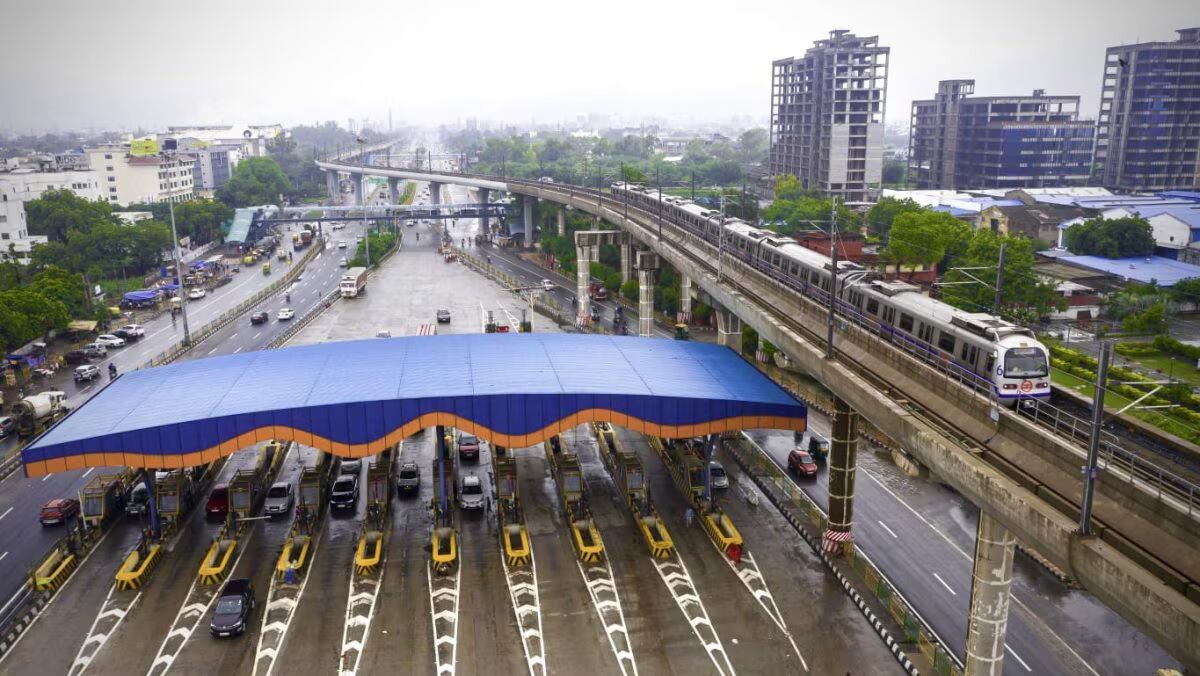
The projects primarily focus on strengthening the public transport system through new corridors under the expanding Delhi Metro network. As part of the launch, two new metro corridors were inaugurated while the foundation stones were laid for three additional corridors under the next phase of expansion. Delhi Metro Rail Corporation is implementing these projects to improve connectivity and ease congestion across the national capital. Among the newly operational routes is the Majlis Park–Maujpur Babarpur corridor, a stretch of about 12.3 km on the Pink Line. Another key corridor inaugurated is the Deepali Chowk–Majlis Park section on the Magenta Line, which spans nearly 9.9 km. These corridors are expected to improve connectivity across North and East Delhi, benefiting commuters travelling between residential areas and major employment centres.
In addition to the newly opened lines, the Prime Minister also laid the foundation stone for three new metro corridors under Phase V-A of the network expansion. These include the R.K. Ashram Marg–Indraprastha, Aerocity–IGI Airport Terminal-1, and Tughlakabad–Kalindi Kunj corridors, covering a total route length of around 16.1 kilometres. The new lines are designed to strengthen connectivity to key locations such as the airport, central Delhi and parts of South Delhi. Urban mobility planners say the expansion is expected to significantly improve the efficiency of public transport in the capital. Delhi already has one of the largest metro systems in the world, and continued expansion is considered essential to meet the demands of a growing population and increasing commuter traffic. The projects are also expected to reduce congestion on major roads while encouraging greater use of mass transit systems.
Officials note that expanding metro connectivity can help lower vehicular emissions and contribute to cleaner urban air by shifting commuters away from private vehicles. Alongside the metro expansion, the development initiative also includes infrastructure improvements such as modern residential complexes for government employees and upgraded administrative facilities. These projects aim to support both mobility and urban governance within the national capital. Officials said the expansion will bring metro access to several neighbourhoods that previously lacked direct rapid transit connectivity. Areas such as Burari, Bhajanpura, Yamuna Vihar and Madhuban Chowk are expected to benefit from the improved transport network once the new lines become fully operational. 
Urban planners believe that continued investment in integrated transport infrastructure will be critical for Delhi’s long-term growth. With the city facing persistent challenges related to traffic congestion and pollution, large-scale public transport projects are increasingly being viewed as essential to building a more sustainable and efficient urban mobility system.