


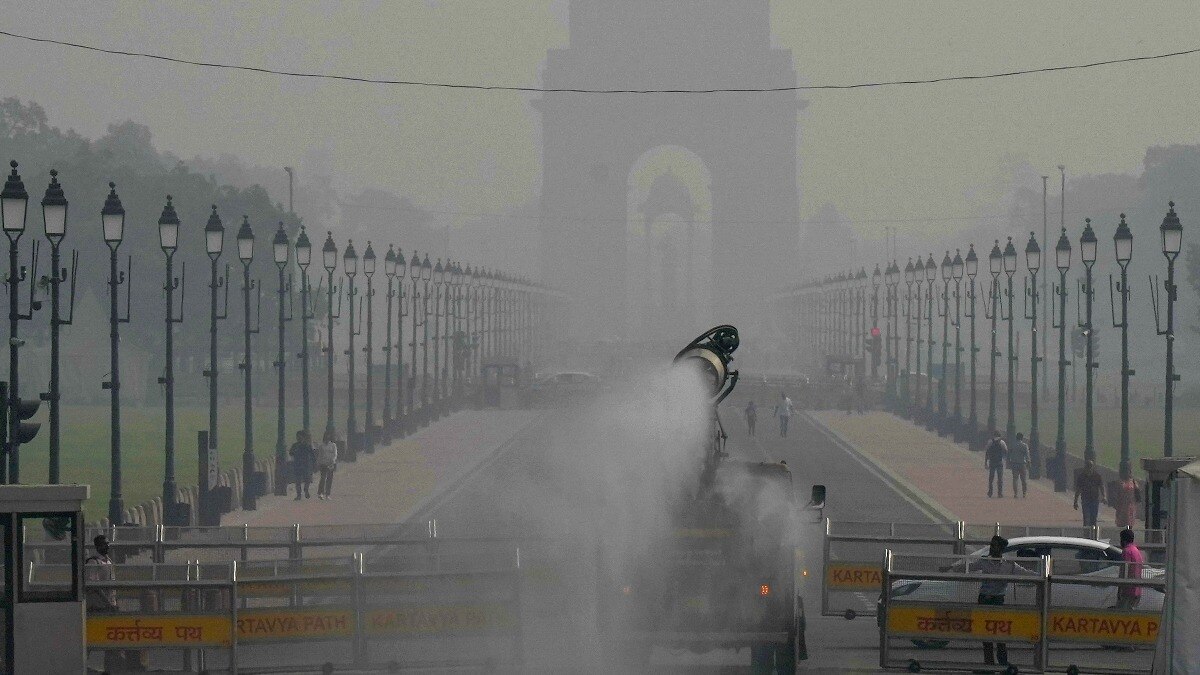
New Delhi is embarking on a ₹15 crore project to install misting systems on 24 key roads across the capital, a move aimed at combating the severe dust pollution that plagues the city, particularly during the winter months. This ambitious plan, which follows a successful pilot on Lodhi Road, represents a significant investment in a technology that civic authorities believe can improve ambient air quality and reduce particulate matter. While officials are confident in the system’s ability to provide relief, environmental experts are raising critical questions about its long-term effectiveness and whether it addresses the root causes of the city’s complex air pollution crisis.
The New Delhi Municipal Council (NDMC) is proposing the installation of these automated misting systems on major thoroughfares such as Shahjahan Road, Prithvi Raj Road, and Dr APJ Abdul Kalam Road. The project is a direct result of a successful pilot program where mist sprayers were installed on electricity poles, which reportedly showed promising results in dust suppression. The plan is to execute the project in two phases, focusing on roads where pollutants and dust levels are particularly high. The core objective is to reduce airborne pollutants, increase ambient humidity, and make the atmosphere more comfortable for residents.
However, the efficacy of this high-cost solution has come under scrutiny from a leading voice in environmental research. A senior executive director from a prominent environmental advocacy group argues that mist spraying provides only a temporary reprieve from dust pollution. She points out that once the wetted soil dries, the dust particles become suspended in the air again, rendering the relief short-lived. This perspective suggests that while the initiative may offer some symptomatic relief, it fails to provide a sustainable solution to a problem that requires a multi-pronged strategy. The debate highlights the conflict between a visible, quick-fix solution and the need for comprehensive, long-term environmental planning.
Another environmental expert has echoed these concerns, stating that while the misting systems may be useful in highly dusty zones, their impact is limited, particularly when it comes to the dangerous PM2.5 particles. These tiny particles, which are the greatest health risk to the population, are often not effectively captured by water-based dust suppression methods. The expert noted that without concrete data from the pilot project—such as quantified reductions in the Air Quality Index (AQI) or particulate matter levels—the scalability and true impact of this measure remain questionable. This lack of empirical evidence raises a significant ethical and financial dilemma for city planners.
The reliance on technological fixes without a robust understanding of their long-term impact on the ecosystem is a concern for a sustainable urban agenda. An equitable city is not just one that invests in infrastructure but one that does so with transparency and a clear, evidence-based strategy. The proposed ₹15 crore expenditure on a system with unproven long-term efficacy raises questions about whether these funds could be better utilized for more fundamental, sustainable solutions, such as enhancing green cover, improving waste management to reduce road dust, or investing in public transport to reduce vehicular emissions. The ultimate test of this project will not be in its implementation, but in its ability to deliver a lasting and meaningful improvement in the air quality that every resident of Delhi breathes.
Also Read :Nagpur Gondia Expressway Approved, ₹3162 Crore Project Cuts Travel Time
