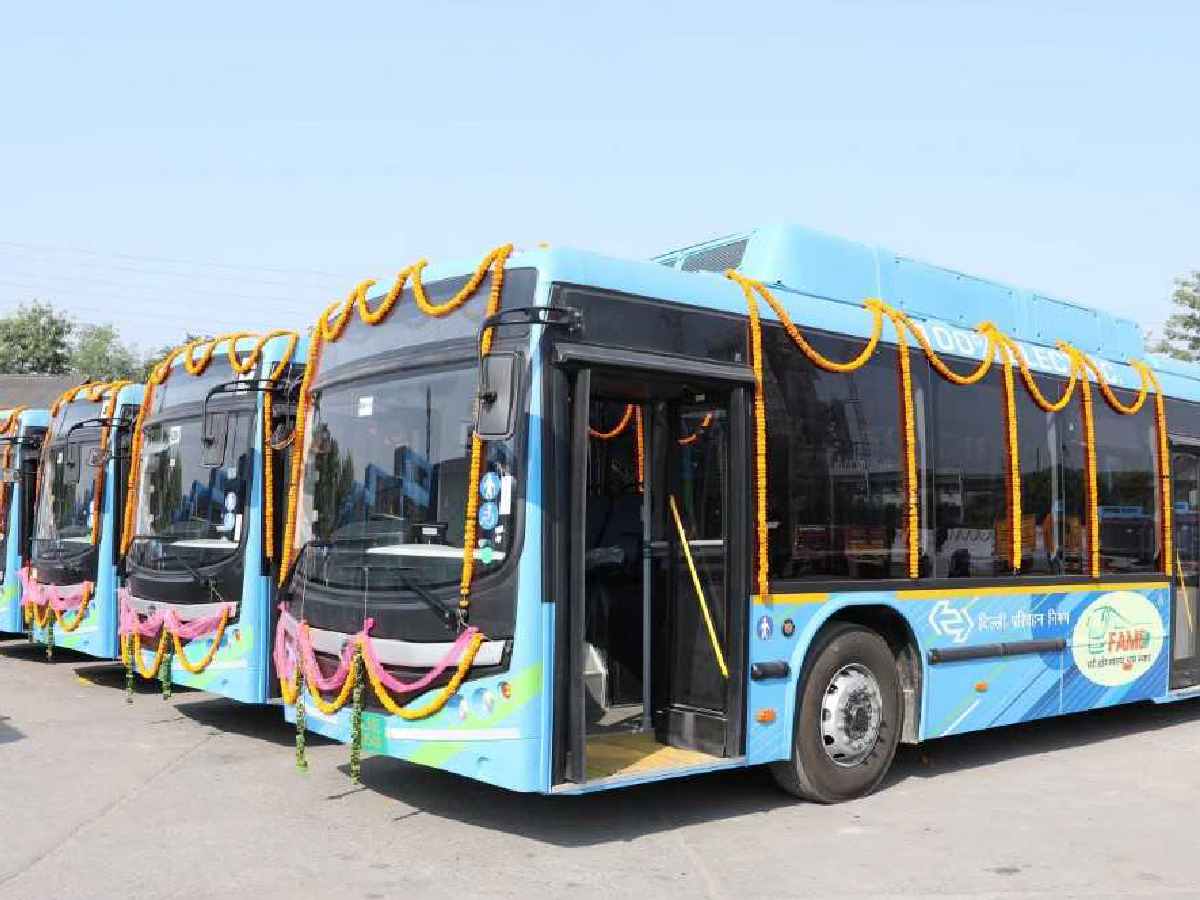
New Delhis Green Fleet of 14,329 Electric Buses Operates under NEBP
New Delhi’s commitment to sustainable urban mobility is crystallizing into a clear policy and fleet expansion. The nation now boasts over 14,329 electric buses operating under the National Electric Bus Programme, marking a significant milestone in its journey toward decarbonization. This progress is backed by the government’s strategic decision to extend and expand key electric vehicle initiatives, particularly targeting the heavy-duty and public transport segments. The move signals a concerted effort to not only improve air quality in metropolitan areas but also to build an economically and environmentally viable transport ecosystem for the future.
The expansion of the electric bus fleet is a critical component of India’s push for zero-net-carbon cities. Public transport, being the backbone of urban mobility, holds immense potential for reducing emissions and reliance on fossil fuels. The government’s think tank has mandated a government-affiliated service company to aggregate demand for a staggering 50,000 e-buses, demonstrating an ambitious scale that can transform the urban landscape. This large-scale demand aggregation is designed to leverage economies of scale, making these environmentally friendly vehicles more affordable for state transport corporations and accelerating their adoption across the country.
A major analytical point in this policy shift is the unprecedented support for electric trucks under the newly extended PM E-Drive scheme. While two- and three-wheelers have long been the focus of incentives, this is the first time the government is providing direct financial assistance of up to ₹9.6 lakh per vehicle for e-trucks. This is a game-changer for the freight and logistics sector, which is a significant contributor to both air pollution and greenhouse gas emissions. By incentivizing the transition to electric trucks, the government is tackling a key source of carbon emissions and paving the way for a cleaner, more efficient supply chain. The scheme aims to support the deployment of approximately 5,600 e-trucks, marking a decisive push into the commercial transport space.
The financial outlay for the PM E-Drive scheme, set at a substantial ₹10,900 crore, underscores the government’s long-term commitment. By extending the programme for electric buses, ambulances, and trucks until March 2028, officials are creating a stable policy environment that encourages manufacturers and operators to invest with confidence. This long-term approach is crucial for building a sustainable ecosystem, including charging infrastructure and maintenance networks, which are vital for the success of the electric vehicle transition. This is not just about replacing vehicles; it is about building a modern, sustainable, and equitable transport infrastructure that benefits all citizens by creating cleaner air and more efficient mobility.
These policy decisions collectively represent a powerful statement on India’s climate action agenda. By focusing on public and commercial fleets, the government is ensuring that the benefits of clean mobility reach the masses and the core of the economy. The shift towards electric buses and trucks is a crucial step towards reducing urban pollution and building truly eco-friendly and equitable cities. The transition is a complex one, but with these strategic policy interventions and a clear vision, the nation is on a decisive path to achieving its ambitious environmental goals.