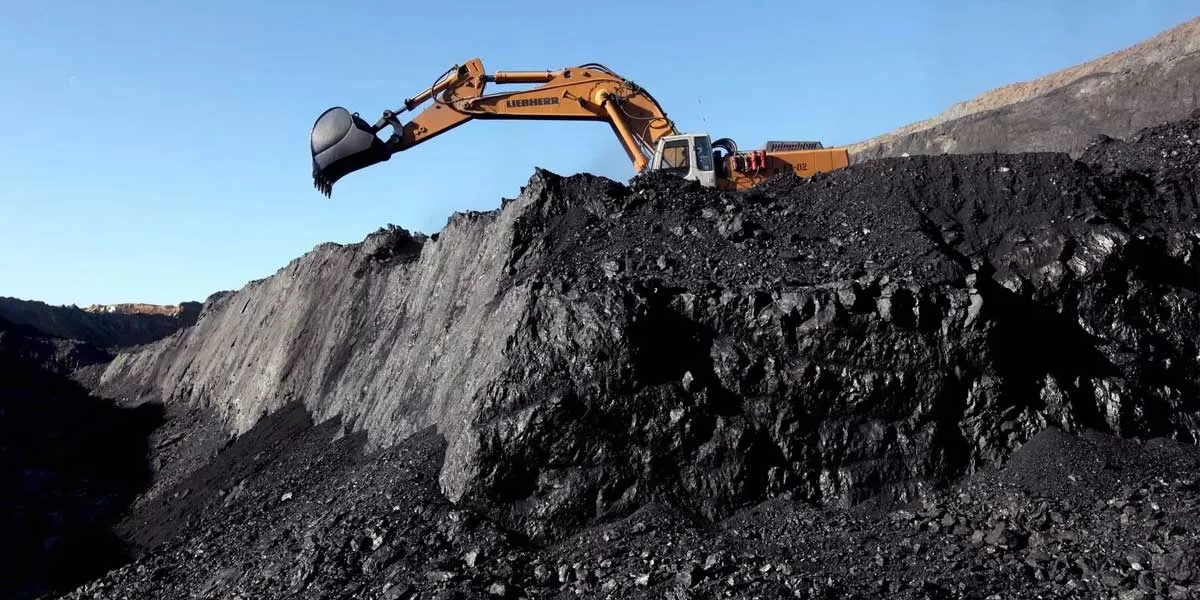
Dhanbad Coal Operations Hit By Nationwide Labour Strike
New Delhi has announced a sweeping set of coal and mining reforms aimed at increasing domestic production and advancing sustainability across the sector. The initiatives focus on modernising mining operations through technology adoption, encouraging private investment, and improving coal quality, while simultaneously reducing import reliance. Analysts suggest these reforms could strengthen India’s energy security, enhance operational efficiency, and position the coal sector as a more resilient, environmentally conscious contributor to the country’s growing energy needs.
The government’s strategy includes accelerating auctions of coal blocks, streamlining regulatory approvals, and integrating advanced mining technologies such as automation and predictive maintenance. “These reforms are designed to improve output while reducing the environmental footprint of mining,” said a senior energy policy official. By making operations more efficient, the sector aims to meet rising industrial and power-generation demands without overburdening natural resources.Improving coal quality is another critical aspect. By adopting beneficiation techniques and cleaner extraction methods, India can deliver higher-calorific-value fuel to power plants, improving energy efficiency and lowering emissions per unit of electricity generated. Experts note that this approach also supports a gradual transition to cleaner energy pathways, aligning the sector with broader climate-conscious development goals.
Private sector participation is being actively encouraged to bring capital, technical expertise, and operational innovation into mining. Analysts highlight that collaboration between government and industry could not only speed up production but also ensure compliance with environmental and social safeguards. “Strategic partnerships are essential for creating a modern, sustainable coal sector,” said an industry analyst, emphasising the role of governance and accountability.Alongside coal, initiatives targeting rare-earth minerals and other strategic resources are being integrated into the reforms. These measures aim to strengthen India’s mineral security, which is crucial for the development of renewable energy technologies, electric vehicles, and advanced industrial applications. By securing critical inputs domestically, India reduces exposure to global supply shocks while supporting a more self-reliant industrial base.
Nevertheless, challenges persist. Land acquisition delays, environmental clearance processes, and local community concerns continue to affect project timelines. Officials note that addressing these social and ecological dimensions is essential to ensure sustainable, inclusive development. The government is reportedly working on streamlined procedures and incentives to mitigate these issues while maintaining regulatory oversight.If implemented effectively, the reforms could transform India’s coal and mining sector into a modern, technologically advanced, and environmentally responsible industry. By balancing energy security, efficiency, and sustainability, the country aims to provide reliable power to industries and cities while contributing to a net-zero, resilient energy future.