New Delhi Stockholm Roll Out Seven Next Phase Low Carbon Steel Cement Innovations
New Delhi and Stockholm have rolled out seven next-phase low-carbon innovations in steel and cement, signalling a decisive move from pilot concepts to scalable industrial deployment. The developments introduce advanced manufacturing technologies, alternative material formulations and cleaner energy integration, positioning low-carbon construction materials as a practical solution for India’s rapidly expanding infrastructure and real estate needs.
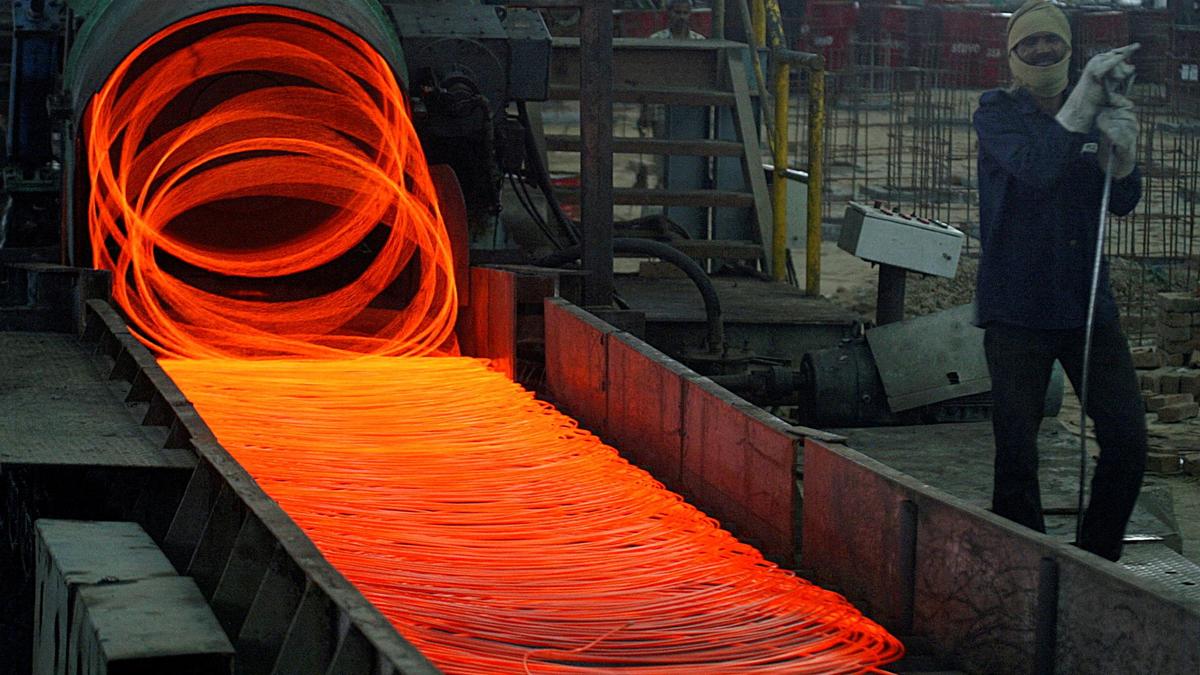
Unlike earlier announcements that focused on collaboration intent, the latest phase centres on on-ground implementation within operating plants. Industry officials said the projects are now testing upgraded production processes that directly reduce emissions during steelmaking and cement manufacturing, two sectors responsible for a significant share of embodied carbon in urban construction.A major advancement lies in material efficiency. New cement blends under evaluation use lower clinker content while maintaining strength and durability standards required for large-scale infrastructure. In steel manufacturing, process optimisation and cleaner heat sources are being introduced to reduce reliance on fossil fuels without affecting productivity, a key concern for high-volume producers.
Experts note that the emphasis has shifted towards solutions that can be absorbed into existing supply chains. Swedish partners are contributing mature industrial technologies and process expertise, while Indian manufacturers are adapting these systems to local raw materials, regulatory norms and cost sensitivities. This approach is intended to ensure that low-carbon construction does not remain a niche offering limited to premium projects.Urban development specialists say the timing is significant. India is entering a peak construction decade, with massive investments planned in transport corridors, housing, logistics hubs and public infrastructure. Without cleaner materials, cities risk embedding high emissions into assets that will last several decades.A senior construction industry analyst observed that the new phase could influence procurement behaviour. “Once these technologies demonstrate performance and cost stability at scale, public agencies and large developers will find it harder to justify conventional high-emission materials, especially for publicly funded urban projects,” the analyst said.
The projects are also generating data that could inform future standards for embodied carbon measurement in construction. Such benchmarks are increasingly seen as necessary to bring transparency to green building claims and align urban development with long-term climate commitments.While commercial adoption will depend on supportive policies and market acceptance, analysts believe the collaboration reflects a broader shift in how cities approach sustainability. Rather than slowing growth, the focus is turning towards transforming the materials that shape urban environments, allowing development to continue while progressively lowering environmental impact.