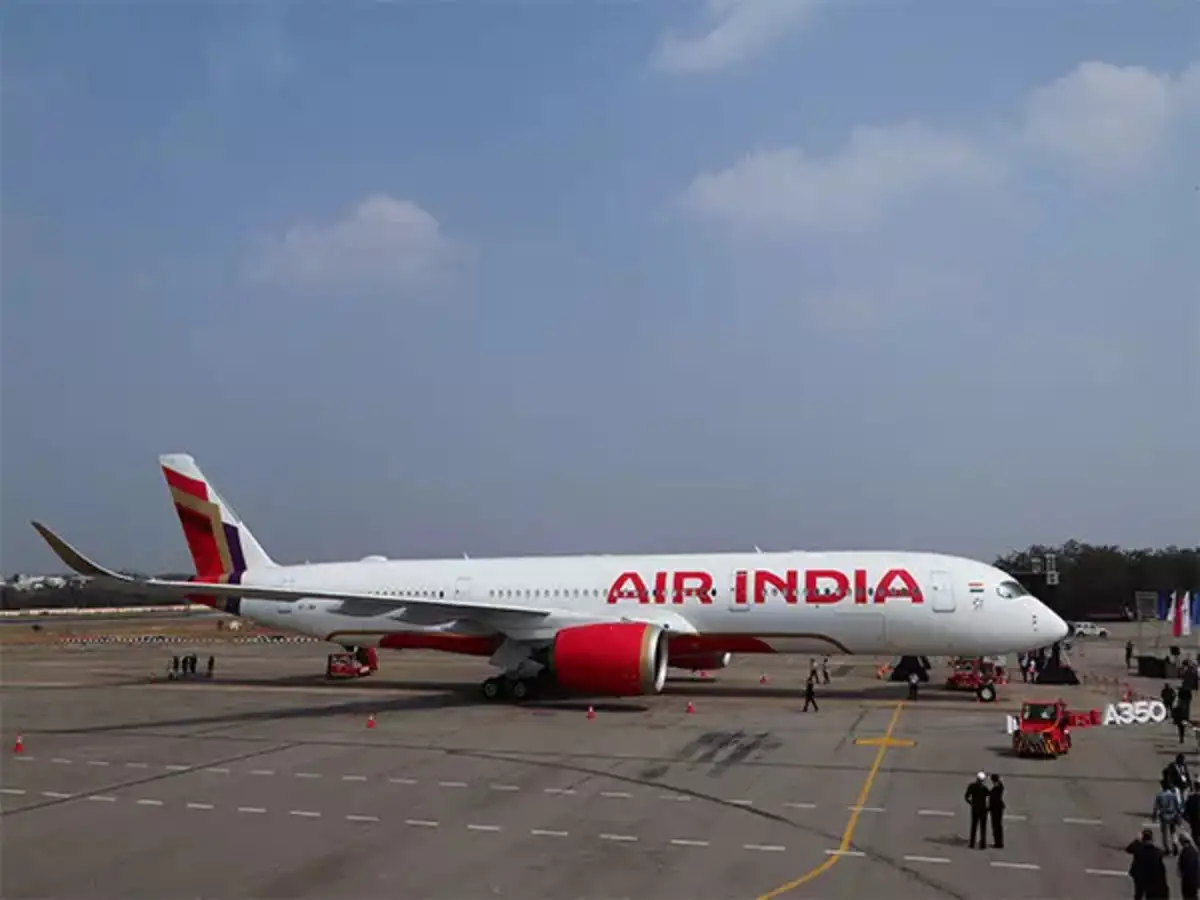
New Delhi records 5700 flight cancellations disrupting India aviation growth
New Delhi: India’s aviation industry has stumbled into a turbulent 2025 with more than 5,700 scheduled flights cancelled in the first half of the year, exposing vulnerabilities in a sector that remains one of the fastest growing in the world. Official data presented in Parliament revealed that out of 572,079 scheduled departures between January and June, 5,706 were scrapped roughly one percent of total flights.
Aviation experts attribute the disruption to a complex mix of geopolitical instability and regulatory challenges. A brief military standoff in May led to the suspension of operations at several northern airports that share infrastructure with the armed forces. At the same time, the continued closure of neighbouring airspace forced airlines to take longer, more expensive westbound routes to Europe and the Middle East. The crisis deepened further as tensions in West Asia spilled into air corridors, adding fresh complications to international operations.The pain was unevenly spread across carriers. The largest domestic airline shouldered more than half of the cancellations, while the national airline group was next in line, scrapping nearly a quarter of disrupted services. A mid-sized budget carrier reported hundreds of cancellations, while a relatively new entrant to the market emerged with minimal impact.
For passengers, the fallout was both immediate and costly. The Directorate General of Civil Aviation requires airlines to refund fares or arrange alternative flights, but rerouted schedules brought higher fuel consumption, extended crew hours, additional maintenance delays and airport fees. Analysts warn that such recurring shocks not only hurt profitability but also undermine India’s ambition of becoming a global aviation hub.Yet, even in the face of widespread disruption, domestic travel demand proved resilient. Passenger numbers in the first half of 2025 rose 7.34 percent compared to the same period last year, underscoring the country’s growing appetite for air travel. Industry observers note that this demand offers a vital cushion, but without structural resilience, airlines remain exposed to external risks.
The operational stress was felt most by long-haul carriers. The national airline was forced to ground aircraft for inspections, cut 15 percent of its international services, and suspend operations over Middle Eastern skies. Officials said schedules are now being recalibrated for the winter season, with some long-haul services, including new international connections, expected to be restored.While the 5,706 cancellations represent a small fraction of total flights, they highlight the fragility of an industry heavily dependent on stable geopolitics and efficient regulation. Aviation experts argue that addressing these vulnerabilities through better coordination, sustainable planning and infrastructural resilience will be essential if India is to sustain its rapid aviation growth. For now, the skies remain crowded with opportunity, but turbulent with uncertainty.