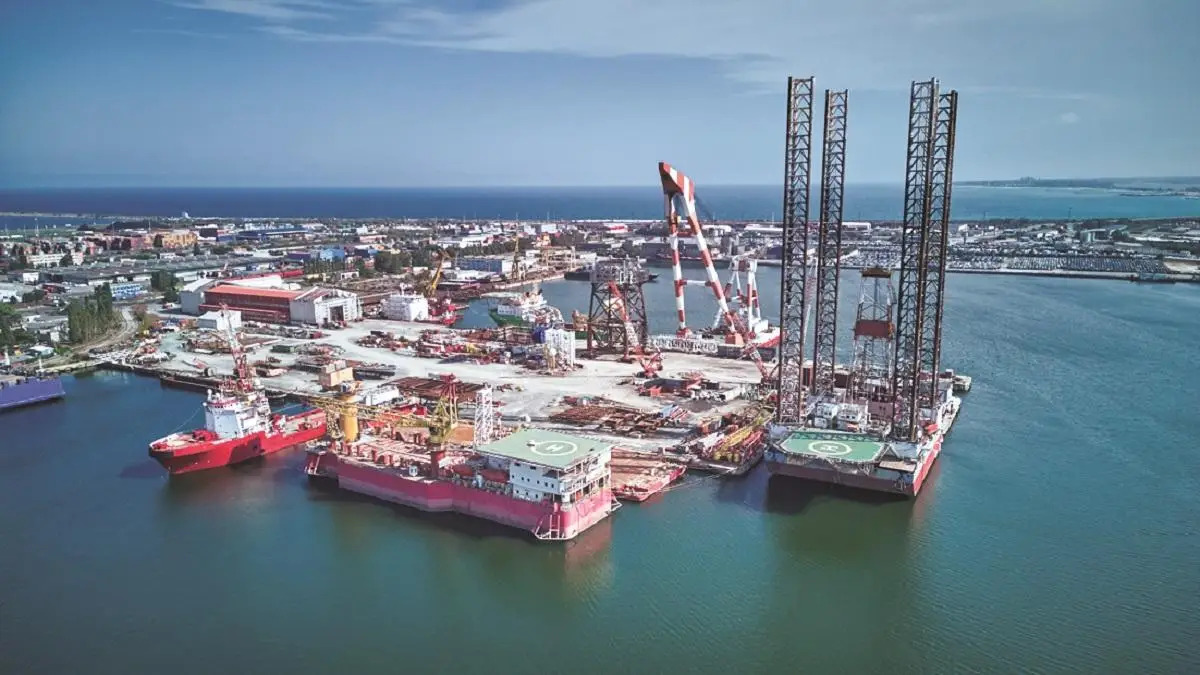
New Delhi Plans Rs 25 000 Crore Investment in Eight Coastline Shipbuilding Clusters
The government has announced an ambitious plan to develop eight mega shipbuilding and repair clusters across the nation’s extensive coastline. This monumental initiative, backed by an initial ₹25,000 crore investment, is a cornerstone of the ‘Aatmanirbhar Bharat’ (Self-Reliant India) vision and the ‘Maritime Amrit Kaal Vision 2047’. The objective is clear: to elevate India into the world’s top five shipbuilding nations by 2047, directly challenging the established dominance of East Asian giants in the burgeoning $220 billion global market. This comprehensive maritime push is set to redefine India’s industrial landscape, fostering economic growth and bolstering strategic autonomy.
The meticulously crafted blueprint for this maritime renaissance involves the establishment of five greenfield hubs strategically located in Andhra Pradesh, Odisha, Tamil Nadu, Gujarat, and Maharashtra. These clusters are conceived as integrated ecosystems, encompassing ship manufacturing, equipment production, and a comprehensive suite of allied services. Complementing these new developments are three brownfield expansions at existing maritime facilities: Vadinar and Kandla in Gujarat, and Cochin in Kerala. These expansions will focus on specialised ship repair and the construction of large vessels, enhancing existing capabilities. Land with all requisite statutory clearances and robust road-rail connectivity has already been secured, with state governments actively forming Special Purpose Vehicles (SPVs) to accelerate project development and ensure seamless execution. This integrated approach aims to minimise environmental impact through planned industrial zones and efficient logistics.
Driving this transformative vision is an unprecedented financial commitment. The Union Budget for FY 2025-26 has established a dedicated ₹25,000 crore ($3 billion) Maritime Development Fund (MDF) specifically designed to finance critical infrastructure projects and facilitate ship acquisition. This fund is poised to catalyse an estimated ₹1.5 lakh crore ($18 billion) in sectoral investments by 2030. Further bolstering the sector is a revamped Shipbuilding Financial Assistance Policy (SBFAP 2.0), which allocates a substantial ₹18,090 crore ($2.2 billion) for subsidies, including a significant 30% support specifically for the construction of green vessels. The pivotal grant of infrastructure status for large ships is anticipated to reduce capital costs by a notable 20-25%, making domestic shipbuilding more competitive. A flagship investment of ₹57,000 crore at Kandla Port, featuring a Very Large Crude Carrier (VLCC) shipyard capable of handling 320,000-tonne crude carriers, epitomises the sheer scale and ambition of this project, while promoting the use of larger, more fuel-efficient vessels.
To rapidly bridge existing technology gaps and accelerate capabilities, India is actively forging strategic global partnerships. International collaborations are at the forefront, with South Korea’s HD Hyundai in advanced discussions for a significant ₹10,000 crore joint venture with Cochin Shipyard in Tamil Nadu, focusing on high-capacity container vessels. European industry leaders, including Norway’s Kongsberg Maritime and Denmark’s Maersk, are actively progressing projects centred on smart port technologies and sustainable green shipping solutions. Furthermore, Japanese shipbuilding titans Imabari and Mitsubishi are being actively courted for potential collaborations on green hybrid vessel projects in Andhra Pradesh, underscoring a commitment to zero net carbon and eco-friendly maritime operations. These partnerships are critical for technology transfer and fostering advanced manufacturing.
The economic ripple effects of these clusters are projected to be transformative. India’s domestic shipbuilding market share, currently hovering at less than 1%, is forecast to surge dramatically to 7% by 2030 and a remarkable 69% by 2047. This exponential growth is expected to generate an estimated 1.1 million direct and indirect employment opportunities across allied industries, contributing significantly to a gender-neutral and equitable workforce. The recent launch of the Bharat Container Shipping Line (BCSL) is designed to enhance India’s trade resilience, strategically reducing reliance on foreign vessels, a vulnerability starkly highlighted during recent global supply chain disruptions such as those in the Red Sea. This national shipping line will foster greater self-sufficiency in India’s EXIM trade.
Sustainability is intrinsically woven into the fabric of this ambitious plan. Ports such as Kandla, Paradip in Odisha, and Tuticorin in Tamil Nadu are being positioned as pioneers in green hydrogen bunkering infrastructure. A pilot coastal corridor between Kandla and Tuticorin is slated to showcase the operation of hydrogen and ammonia-powered vessels, demonstrating a commitment to alternative, cleaner fuels. Furthermore, a mandate requires all major ports to deploy eco-friendly “green tugs” within three months, significantly reducing emissions from port operations. These initiatives underscore India’s dedication to creating a zero net carbon maritime future, contributing directly to sustainable urban development and cleaner coastal environments.
Despite the significant momentum, certain challenges remain. Addressing projected port capacity deficits is crucial, with the need for capacity to quadruple to 10 billion tonnes by 2047 to accommodate anticipated 6-7 billion tonnes of cargo flows. The revised SBFAP 2.0 provides subsidies to counteract the estimated 15-20% higher building costs compared to established Asian rivals, while ensuring rapid execution remains paramount. The Ministry’s ongoing “Chintan Shivir” (brainstorming session) aims to fast-track the completion of 150 maritime projects by September 2025, maintaining the ambitious pace of development.
As the outlines of these mega-shipbuilding clusters take tangible form along India’s coastlines, particularly in Gujarat and Tamil Nadu, this massive shipbuilding endeavour embodies a broader national economic aspiration. With over ₹2 trillion already committed to diverse maritime projects and global supply chains actively diversifying from China, these strategically developed clusters are poised to serve as critical anchors for India’s ascent towards becoming a $30 trillion economy by 2047. The collective vision is not merely about constructing ships, but about meticulously crafting a new, robust, and sustainable industrial ecosystem that will propel India from a maritime participant to a true global maritime powerhouse, fostering inclusive growth for its coastal communities and beyond.