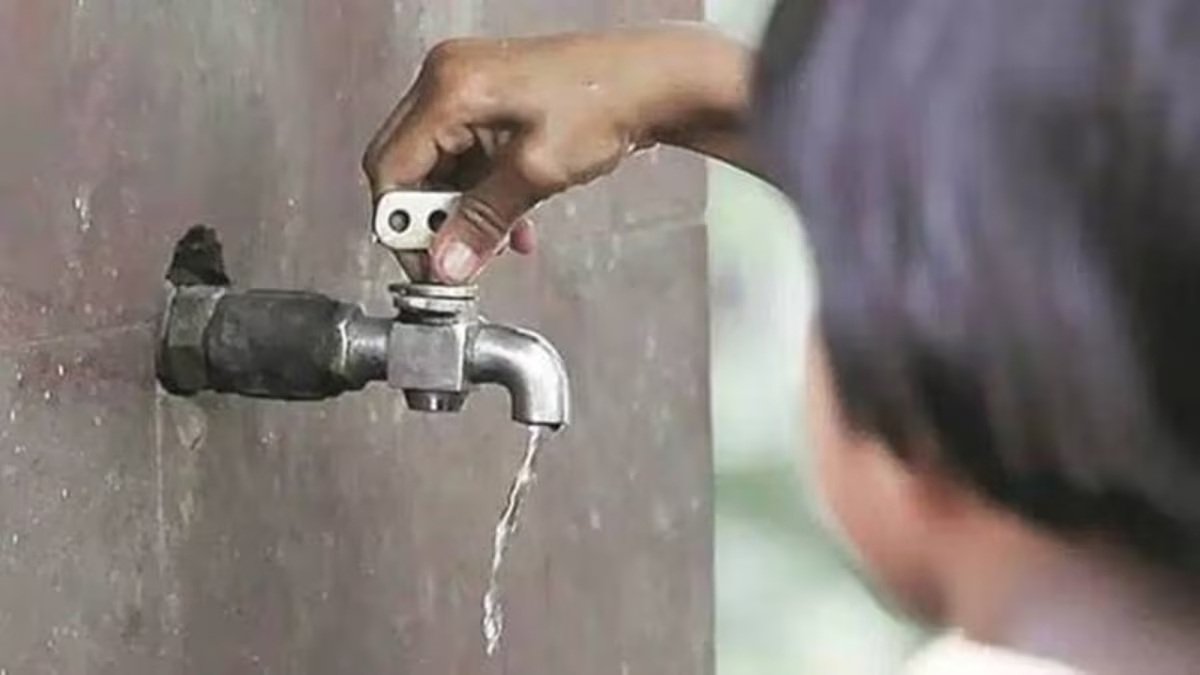
New Delhi’s municipal administration has initiated a pilot to transition towards uninterrupted urban water delivery, marking a shift in how core civic services are planned and managed in high-density neighbourhoods. The first phase of the 24×7 water supply programme has been set in motion in the diplomatic enclave, alongside smaller-scale public realm improvements in a key urban green space, signalling a dual focus on infrastructure reliability and urban liveability. The pilot covers a limited cluster of households and is designed to test the viability of continuous pressurised water systems in an area with relatively stable demand patterns.
Officials involved in the project indicate that the approach combines physical upgrades—such as new pumping systems and distribution enhancements—with digital monitoring tools. These include automated control systems and real-time data tracking, intended to reduce leakages, improve efficiency, and enable predictive maintenance. Urban planners note that such 24×7 water supply systems represent a departure from traditional intermittent supply models common across Indian cities. Continuous systems not only reduce contamination risks caused by pressure fluctuations but also support more equitable access, especially for households that currently depend on storage or tanker-based supply. However, experts caution that scaling such systems citywide requires significant investment in network rehabilitation, metering, and demand management. The current phase, with a relatively modest budget and timeline, is also expected to inform a broader blueprint for expansion. A technical study is being commissioned to assess infrastructure gaps, consumption patterns, and long-term financial sustainability. Industry observers say this step is critical, as continuous supply models demand both capital expenditure and institutional capacity to manage operations efficiently.
Parallel to the water initiative, the civic body is undertaking targeted improvements around a prominent temple precinct within a major public park. The works include pedestrian infrastructure upgrades, landscaping elements, and structural enhancements aimed at improving visitor safety and accessibility. While smaller in scale, such interventions reflect an increasing emphasis on integrating cultural spaces with inclusive urban design. From a built environment perspective, the convergence of infrastructure modernisation and public space enhancement underscores a broader trend in Indian cities: aligning service delivery with quality-of-life improvements. Reliable water access is not only a public health imperative but also a key factor influencing property values, commercial activity, and long-term urban resilience.
As climate pressures intensify and water scarcity becomes a growing concern, city administrations are under pressure to rethink supply systems. Continuous water supply, supported by technology and data-driven governance, could become a cornerstone of sustainable urban infrastructure—provided pilot projects translate into scalable, financially viable models.