New Delhi Orders Six-Month Asbestos Phase-Out Plan For Schools And Buildings
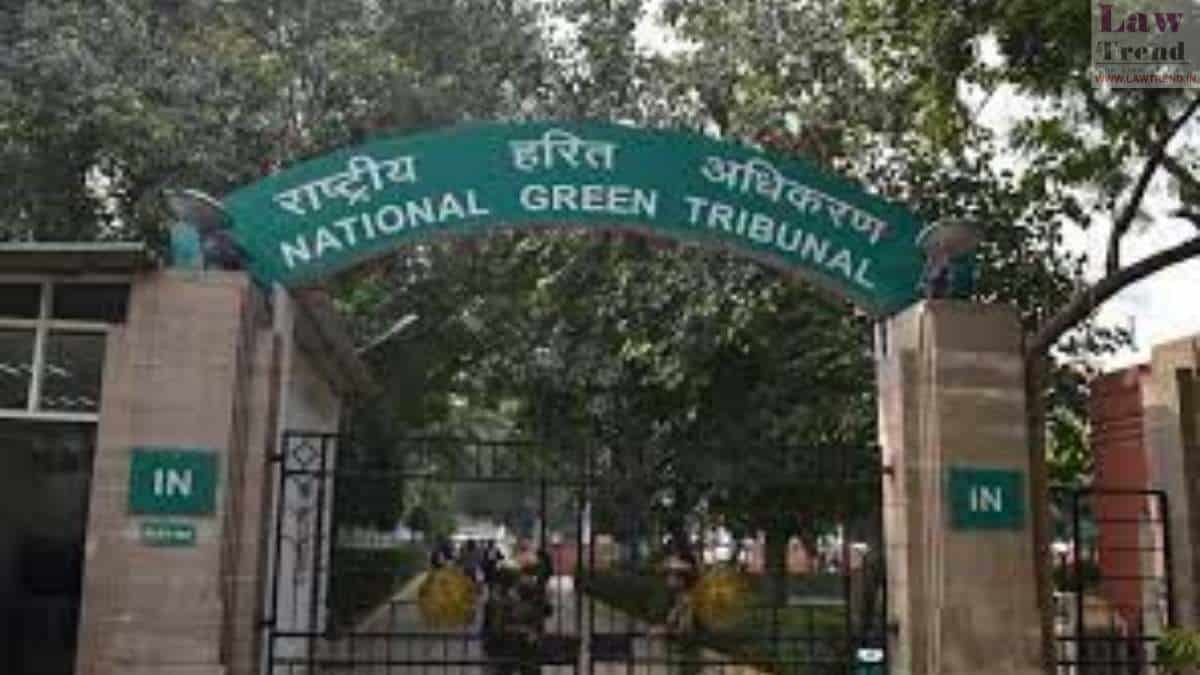
The National Green Tribunal (NGT) has declined to impose a nationwide ban on asbestos roofing sheets but has directed the Centre to prepare a time-bound action plan for phasing out their use in schools and public buildings. The directive marks a significant regulatory shift in India’s long-standing debate over asbestos safety, prioritising health protection and gradual transition over an abrupt ban.
Delivering its judgment in Dr. Raja Singh vs Union of India, the Tribunal invoked the Precautionary Principle under Section 20 of the NGT Act, 2010, stating that preventive measures are warranted even in the absence of complete scientific certainty. The order reflects growing concerns about the long-term health and environmental risks of asbestos exposure, particularly in educational settings.
The petitioner had sought a complete prohibition on asbestos cement roofing in schools, citing earlier directions from state commissions and High Courts.
The industry association representing fibre cement manufacturers argued that chrysotile, or white asbestos, when bonded with cement, remains safe, affordable, and durable and that alternatives such as polycarbonate or polypropylene are costly and structurally unsuitable for India’s climate.Acknowledging these practical limitations, the NGT avoided a blanket ban. Instead, it instructed the Ministry of Environment, Forest and Climate Change (MoEF&CC), along with allied ministries, to frame a comprehensive policy for managing and phasing out asbestos use within six months. The policy must focus first on schools, public buildings, and housing projects while exploring safe, low-cost substitutes.
The Tribunal also laid out stringent occupational safety requirements for asbestos-handling industries including exposure assessment, protective gear, prohibition of food or smoking in work areas, regular medical screening, and mandatory training for all workers. For schools and public institutions, it mandated adherence to Bureau of Indian Standards (IS:11769 Part 1) and ordered that intact asbestos roofs be encapsulated with sealant or paint, while damaged sheets be safely dismantled using wet removal procedures.
Further, the NGT directed that asbestos waste be transported in sealed, labelled containers and disposed of at authorised hazardous waste facilities under the supervision of State Pollution Control Boards. The Central Pollution Control Board (CPCB) must issue new standard operating procedures for safe handling and disposal, while the Ministry of Education is tasked with issuing advisories to all educational institutions.Experts have welcomed the order as a balanced approach. “This is a vital step towards protecting children and workers without disrupting livelihoods,” said a senior environmental policy adviser. The move underscores India’s slow but steady transition toward safer, low-carbon, and health-conscious building practices a shift essential for sustainable urbanisation.