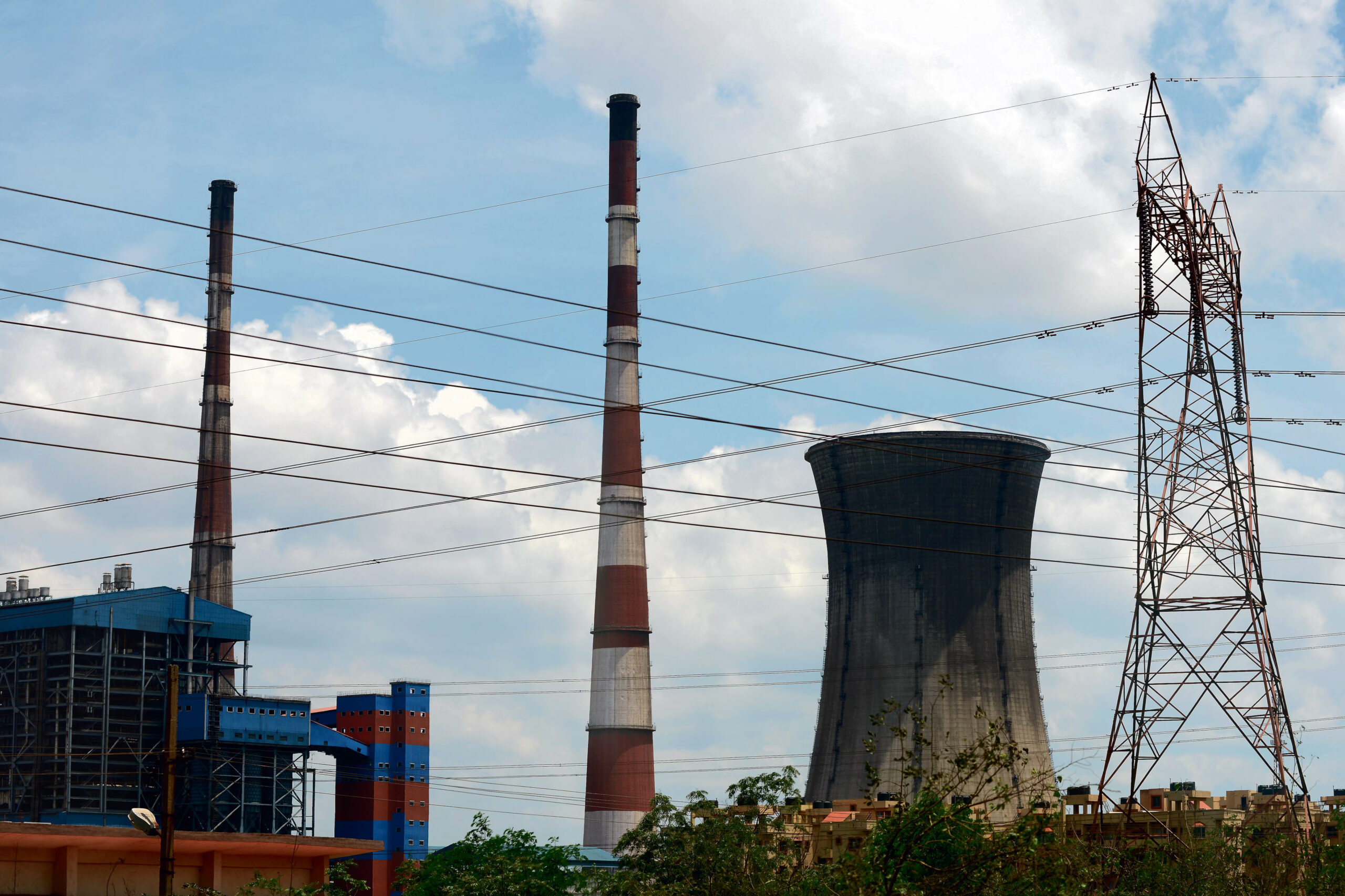
New Delhi Gas Power Plants Fall Silent Amid Rising Clean Energy Shift
New Delhi’s gas-fired electricity sector is witnessing a sharp downturn, with nearly one-third of its national capacity sitting idle in the last fiscal year. According to energy analysts, close to 8 GW of gas power capacity was non-operational in FY2025, signalling a significant shift in India’s power mix. Rising global LNG prices, poor competitiveness, and surging adoption of solar and coal-based alternatives have left gas plants financially stranded. Officials have already decommissioned 5.3 GW of this capacity due to inoperability, raising red flags about stranded infrastructure investments and the long-term viability of gas in India’s clean energy trajectory.
The downfall of gas-based generation underscores a broader market transition. Once considered a transitional fuel in India’s energy roadmap, gas is now being outpriced by renewables and coal. With delivered LNG costs remaining volatile, electricity generated through gas becomes unaffordable—averaging nearly ₹17 per unit—compared to just ₹5–₹6 for coal and ₹6 for solar-plus-storage. Experts point out that even when cleaner, gas loses out economically, particularly in cost-sensitive sectors. This has led to not only underutilisation of gas plants but also sharp declines in industrial demand, as major users shift to more stable and cheaper fuels. The impact of this transition is most visible at the infrastructure level. Six out of India’s seven operational LNG terminals functioned below 50% capacity in FY2025, weighed down by low demand and site-specific constraints. This mismatch between capacity and usage reveals a deepening risk of asset stranding, as facilities built for peak gas usage remain underutilised.
In response, regulators are rolling out new frameworks to guide terminal expansion more prudently. These measures focus on aligning infrastructure growth with demand, improving siting practices, and ensuring connectivity to pipeline networks—steps that may help ease financial risk but may not revive lost demand. While some small industries, such as tea plantations, briefly experimented with fuel switching from coal to gas, the trend has not held across heavy industry. For many large-scale users, coal remains the fallback option due to cost advantages, despite its higher emissions. This shift contradicts earlier climate goals, showing how market forces can delay decarbonisation when cost parity is not achieved. Energy researchers now warn that unless gas prices stabilise or become regionally competitive, the sector may see further decline, forcing India to reconsider its energy diversification strategies.
India’s evolving power landscape reveals both progress and tension. While renewables gain momentum, the sidelining of gas highlights the complexity of balancing cost, reliability, and carbon goals. As India accelerates its clean energy targets, ensuring an economically and environmentally resilient energy mix will require policy finesse and investment foresight. For gas infrastructure that once symbolised energy modernisation, the path ahead must be recalibrated to reflect both changing technologies and changing realities.