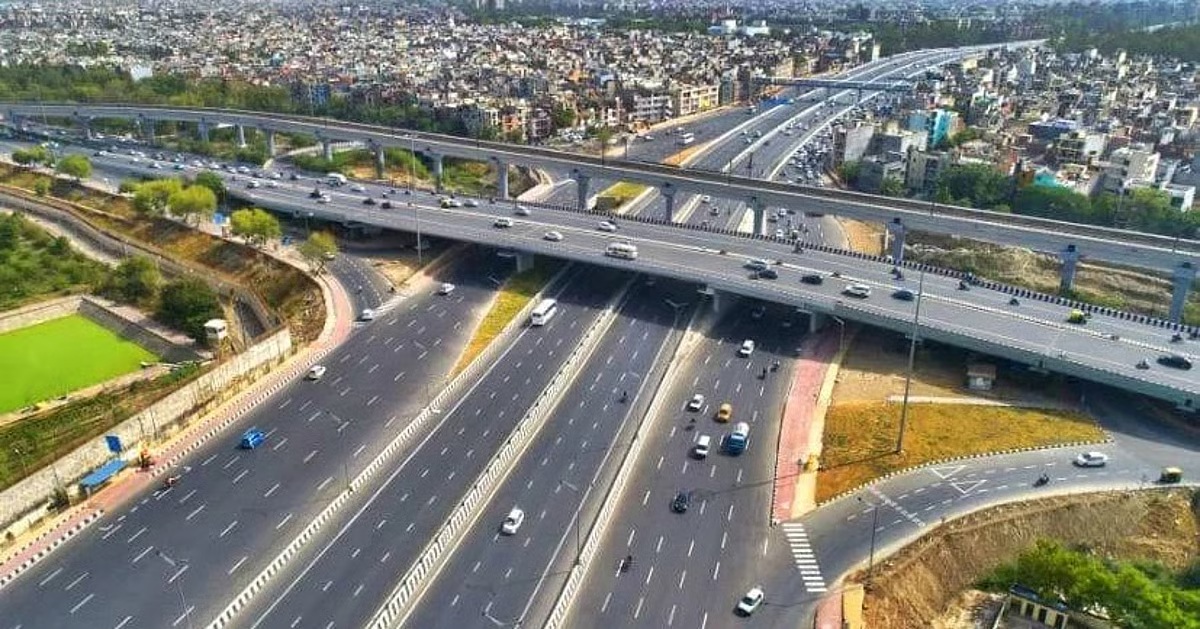
Indore BRTS Corridor Repurposed For Elevated Road Project
A national forum on infrastructure finance opened in New Delhi this week, bringing together policymakers, financial institutions and industry specialists to examine how India will fund the next phase of its large-scale infrastructure expansion. The discussions come as the Union government continues to prioritise capital investment in transport networks, logistics corridors and urban infrastructure, signalling that infrastructure spending will remain a central driver of economic growth. Public investment remains the backbone of the strategy. The latest Union Budget increased capital expenditure to approximately ₹12.2 lakh crore for the financial year 2026–27, marking a continued rise from the previous year.
The sustained push reflects the government’s aim to strengthen rail networks, freight logistics, shipping routes and inland waterways while maintaining fiscal discipline. Yet analysts say that government spending alone cannot meet the country’s long-term infrastructure requirements. At the New Delhi forum, policymakers and financial experts highlighted the growing importance of private capital in supporting large infrastructure programmes. Much of the discussion focused on expanding investment vehicles that allow institutional investors to participate in infrastructure assets. One such mechanism drawing attention is the infrastructure financing India model built around Infrastructure Investment Trusts and Real Estate Investment Trusts. These financial instruments allow operational assets such as highways, transmission lines and renewable energy infrastructure to be pooled and monetised, enabling developers to recycle capital for new projects. Industry participants note that the expansion of these vehicles could help attract pension funds, insurance capital and global investors seeking stable long-term returns. Participants also examined asset monetisation strategies such as toll-operate-transfer concessions, where operational highways are leased to private operators in exchange for upfront payments. Experts say such frameworks can help governments unlock value from existing public assets while transferring maintenance responsibilities to specialised operators.
However, financing challenges persist. Infrastructure projects frequently face delays due to regulatory approvals, land acquisition disputes and litigation over contracts. These risks increase financing costs and often discourage private investors. During the discussions, financial analysts and infrastructure specialists pointed to the need for modernised contract frameworks, improved dispute resolution mechanisms and clearer project risk allocation. Insurance and reinsurance instruments were also highlighted as tools to strengthen project bankability. By transferring specific risks to specialised financial institutions, developers can make infrastructure projects more attractive to domestic and international lenders. The New Delhi meeting also explored the evolving role of public-private partnerships in infrastructure delivery. Experts said stronger coordination between governments, lenders and developers will be necessary as India expands transport corridors, urban transit systems and climate-resilient infrastructure networks. For rapidly growing cities, access to sustainable capital will be crucial.
Infrastructure projects ranging from metro rail systems to logistics corridors and renewable energy networks increasingly require long-term financing structures that balance economic viability with environmental resilience. As India’s infrastructure ambitions scale up, the ability to mobilise diverse funding sources—from public budgets to institutional investors—will likely determine how quickly new transport, logistics and urban systems move from blueprint to reality.