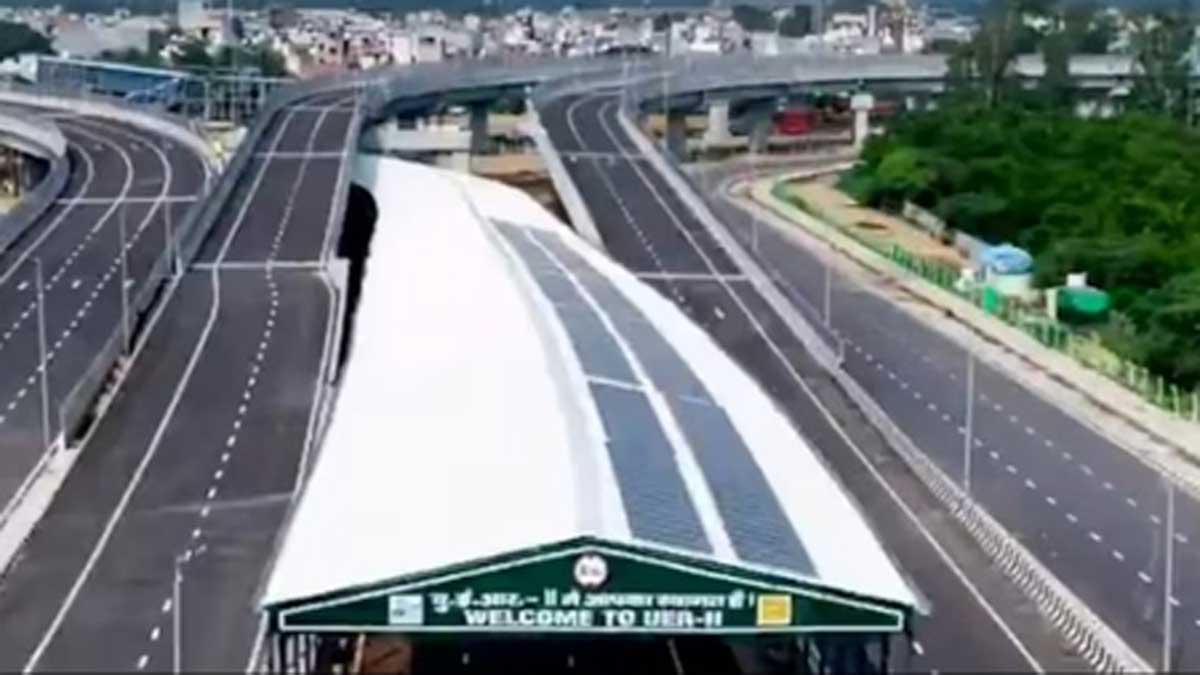
New Delhi Expands Connectivity with UER II Tunnel Flyovers Expressways
New Delhi is undergoing a transformative phase in urban mobility, as several high-impact infrastructure projects are redefining connectivity across South and West Delhi. The launch of the 75.71-kilometre Urban Extension Road-II (UER-II) and multiple strategic corridors has introduced unprecedented speed, convenience, and efficiency to the capital’s road network, easing congestion while enhancing access to key business, residential, and commercial hubs.
UER-II, conceived as Delhi’s third ring road, links NH-44 in the north to NH-48 in the south, bypassing the city’s congested core. The expressway, featuring 27 flyovers and several interchanges, is engineered for signal-free travel, offering seamless connectivity to IGI Airport and enabling rapid cross-city movement. For residents of South and West Delhi, this project dramatically reduces travel time and opens access to previously hard-to-reach districts.
Targeted infrastructure in South Delhi, including the under-construction 5-kilometre Vasant Kunj tunnel from Shiv Murti to Vasant Kunj, exemplifies a solutions-oriented approach. Once operational, this will be the longest underground vehicular corridor in the city, providing signal-free travel and mitigating traffic bottlenecks on surface roads. Similarly, the AIIMS-Mahipalpur elevated corridor will address chronic congestion near the medical district while improving airport connectivity, enhancing commuter experience and efficiency.
West Delhi is also benefiting from modernised infrastructure. The recently completed Punjabi Bagh flyover, a six-lane elevated corridor, has reduced congestion and improved connectivity between West and South Delhi. This strategic link has enhanced access to commercial, residential, and recreational hubs, allowing smoother commuting patterns while supporting balanced urban development.The broader strategy integrates multi-modal solutions, with initiatives like UER-II complementing future transit expansions, including the Delhi-Gurugram-Alwar Regional Rapid Transit System (RRTS). This integration underscores Delhi’s commitment to sustainable, forward-looking mobility that reduces dependence on central roads while providing multiple travel options for residents.
Infrastructure improvements are also reshaping real estate and urban life. Areas previously considered peripheral are emerging as prime residential destinations, attracting commercial activity and boosting local employment opportunities. Improved connectivity translates into reduced commute times, better work-life balance, and enhanced access to cultural and recreational facilities, elevating the overall livability of South and West Delhi.Experts note that these projects are not only easing congestion but establishing Delhi as a global benchmark for urban mobility. By providing multiple route options, signal-free corridors, and high-speed expressways, the city is poised for long-term growth, balancing efficiency, sustainability, and livability. The ongoing transformation promises to redefine Delhi’s urban landscape for decades, improving quality of life for residents and creating a future-ready capital.