


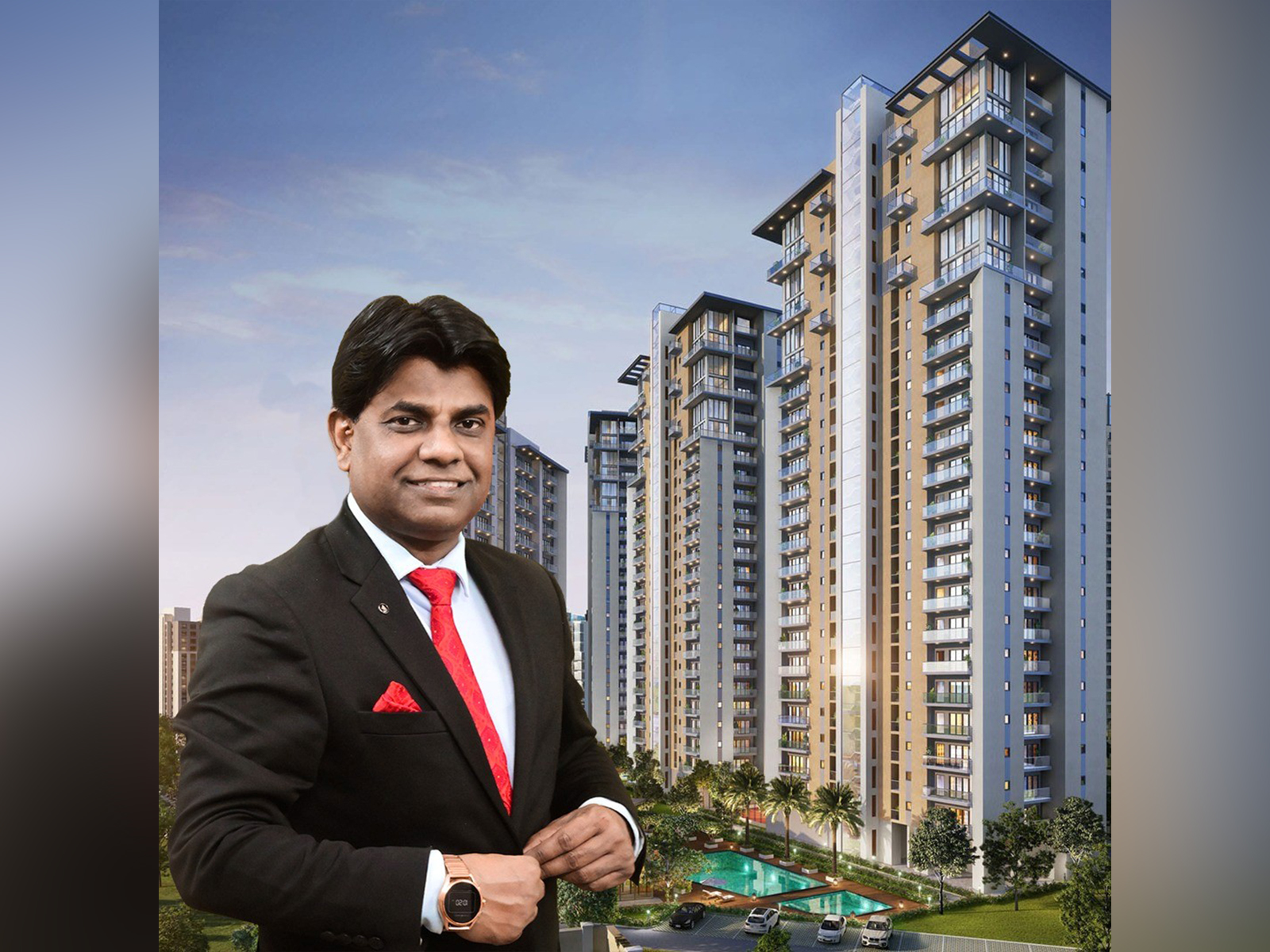
A real estate firm in the National Capital Region has set out to reposition the future of residential development in India, unveiling an “innovation-first” strategy that places sustainability, transparency, and long-term value at the heart of its projects. The company’s renewed approach signals a larger shift occurring across the sector as homebuyers increasingly prioritise trust, design quality, and community-oriented living.
According to senior company representatives, the updated development framework revolves around three core pillars: transparent communication with buyers, design-led planning that enhances daily use, and responsible construction practices aimed at reducing long-term environmental impact. Industry analysts say these priorities align closely with emerging demand in both metropolitan and tier-II markets, where expectations have moved well beyond conventional housing supply. Executives familiar with the firm’s plans say that the growing appetite for thoughtfully designed, durable homes is reshaping how developers position themselves. “Modern homebuyers are evaluating more than square footage. They’re looking for reliability, well-planned communities, and housing that supports healthier, climate-responsive living,” an industry expert observed. This sentiment echoes the broader movement in India’s real estate landscape, where market growth is increasingly tied to quality, rather than sheer volume. The company’s new philosophy emphasises timely completion, clear customer updates, and a commitment to resilient construction factors that have become especially relevant in 2025, as regulatory reforms and rising household aspirations reshape buyer behaviour. Officials note that the firm is seeking to integrate durable materials, passive design elements, and efficient space planning, allowing future residents to benefit from reduced maintenance needs and more functional layouts.
In addition to rethinking project execution, the developer aims to strengthen trust by promoting greater transparency throughout the lifecycle of a project. This includes clear documentation, predictable handover schedules, and open communication channels processes that experts describe as critical for an industry still working to rebuild confidence after years of delays and compliance issues. A senior company leader said the intention is not merely to create new buildings, but to foster long-term communities that support social and environmental well-being. “A home must be built to endure, both physically and emotionally. Our aim is to establish living spaces that combine comfort, longevity, and responsible design,” the official noted, stressing that today’s buyers value stability as much as aesthetics. As India’s cities continue to expand, urban planners argue that such shifts in the private sector are essential for building more equitable and climate-resilient environments.
With many urban households seeking reliable and sustainably built homes, a move toward innovation-led development may help reduce resource pressure and encourage better citymaking practices in the long term. For now, the company is inviting industry observers and journalists to engage further on its updated direction, positioning itself as part of a new wave of developers advocating accountable, future-ready urban growth.
Also Read: Mumbai Real Estate Firm Suraj Estate Wins Euromoney Best Residential Developer Award 2025
