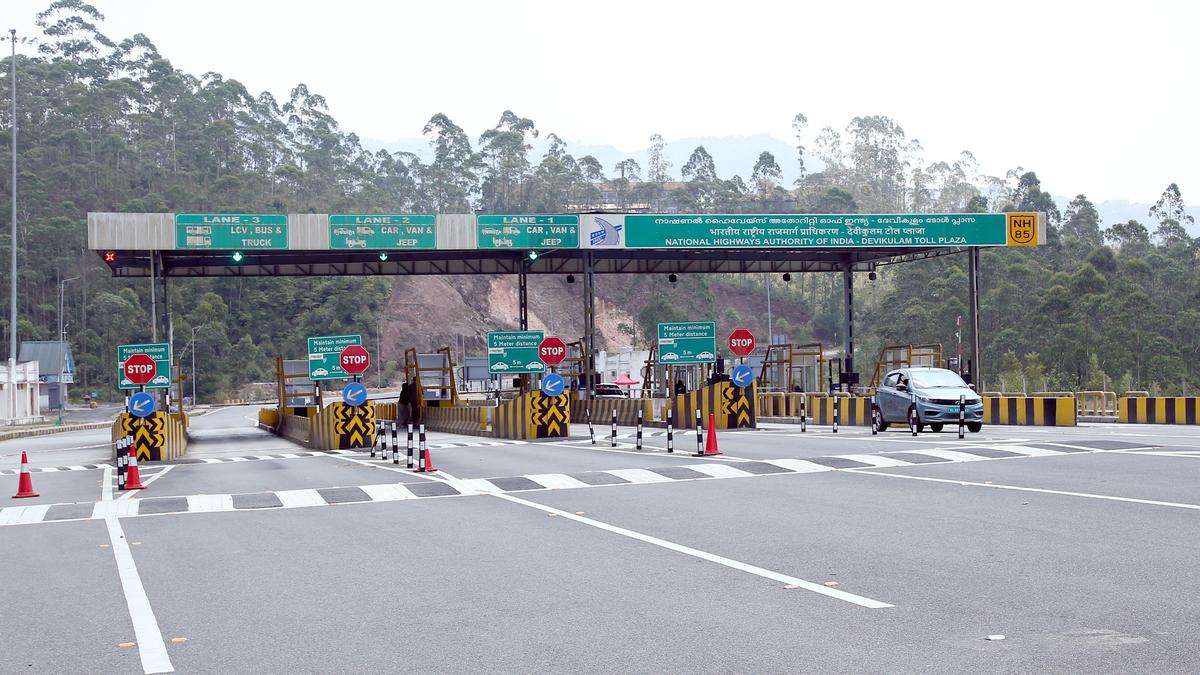
New Delhi Cuts National Highway Tolls by Up to 50 Percent
India’s Ministry of Road Transport and Highways (MORTH) has implemented a policy revision, potentially reducing National Highway tolls by up to 50%. Effective July 2, this updated framework fundamentally alters how user charges are calculated, particularly for stretches incorporating independent bridges, tunnels, flyovers, or elevated sections. This strategic decision by the government is poised to enhance the affordability of road travel, a critical step towards fostering more accessible, eco-friendly, and equitable cities by optimising transportation costs for citizens and businesses alike.
The revised guidelines from MORTH supersede the 2008 policy, introducing a nuanced approach to calculating user charges. Historically, tolls have been levied based on estimated distance travelled and overall road usage. However, the new directive introduces a more sophisticated formula for sections featuring costly structures. Under the updated policy, the fee for such segments will be determined by adding ten times the length of the structure(s) to the length of the highway section (excluding the structure’s length), or five times the total length of the highway section, whichever results in a lower calculated distance. This mathematical precision aims to ensure fairer and more proportionate toll collection.
To elucidate this revised calculation, MORTH has provided illustrative examples. Consider a 40-kilometre national highway segment. Under the new policy, the prospective lengths for toll calculation would either be 400 kilometres (ten times the highway length) or 200 kilometres (five times the total length). In such a scenario, motorists would be charged based on the 200-kilometre distance, as it is the lesser of the two calculations. This pragmatic approach signifies a shift towards a more transparent and consumer-friendly tolling mechanism, directly addressing concerns about disproportionate charges on specific infrastructure components.
The rationale behind the previous higher charges for structures like bridges and tunnels is rooted in the significantly higher capital expenditure and maintenance costs associated with their construction. These complex engineering feats demand intensive resources for building and continuous upkeep. Tolls serve as a mechanism for the government to recoup these substantial investments, which are crucial for developing and sustaining modern transportation infrastructure. However, the new policy indicates a re-evaluation of how these costs are passed on to the end-user, aiming for a balance between infrastructure funding and motorist affordability.
This policy revision holds substantial implications for India’s ambitious infrastructure development agenda. The national highway network has witnessed phenomenal growth, expanding by 60% from 91,287 kilometres in 2014 to 146,145 kilometres by 2023, according to MORTH’s year-end review. This expansion is critical for enhancing inter-city connectivity, boosting economic activity, and integrating remote regions into the national mainstream. By reducing the financial burden on motorists, especially for segments involving high-cost structures, the government aims to encourage greater utilisation of the national highway network, thereby optimising its economic impact.
From a business journalistic perspective, the toll reduction offers tangible benefits to various sectors. Logistics and freight companies, which rely heavily on national highways for transporting goods, stand to gain significantly from reduced operational costs. This can translate into lower consumer prices for goods, stimulating demand and contributing to broader economic growth. For individual commuters, the savings can free up disposable income, potentially boosting consumption. This strategic move could enhance the competitiveness of Indian businesses and improve the overall ease of doing business across states by making road transport more economical.
Moreover, this policy aligns with the broader vision of creating more sustainable and equitable urban and regional ecosystems. By making highway travel more affordable, the government implicitly supports a more balanced modal mix in transportation. While the focus remains on greener alternatives like rail, an efficient and cost-effective road network is indispensable, especially for last-mile connectivity. The reduction in tolls can also indirectly contribute to reducing congestion on alternative, potentially less efficient, routes, thereby optimising traffic flow and potentially reducing overall fuel consumption and emissions. This fosters a more eco-friendly approach to mobility.
The focus on reducing financial barriers to travel also has profound social implications. Affordable transportation enhances accessibility for all citizens, irrespective of their socio-economic background or gender, enabling greater participation in economic activities, education, and social engagements. By making highways more accessible, the policy contributes to a more equitable distribution of opportunities and resources across different regions. This move underscores a commitment to public welfare, ensuring that essential infrastructure benefits a wider cross-section of society.
In conclusion, MORTH’s revised toll policy represents a progressive step towards creating a more user-centric and economically viable national highway network. By recalibrating user charges, particularly for complex structures, the government is not only alleviating the financial burden on motorists but also strengthening the foundation for a more interconnected, sustainable, and equitable India. This policy adjustment reflects a nuanced understanding of economic realities and societal needs, paving the way for more efficient and accessible transportation arteries vital for the nation’s continued development.