


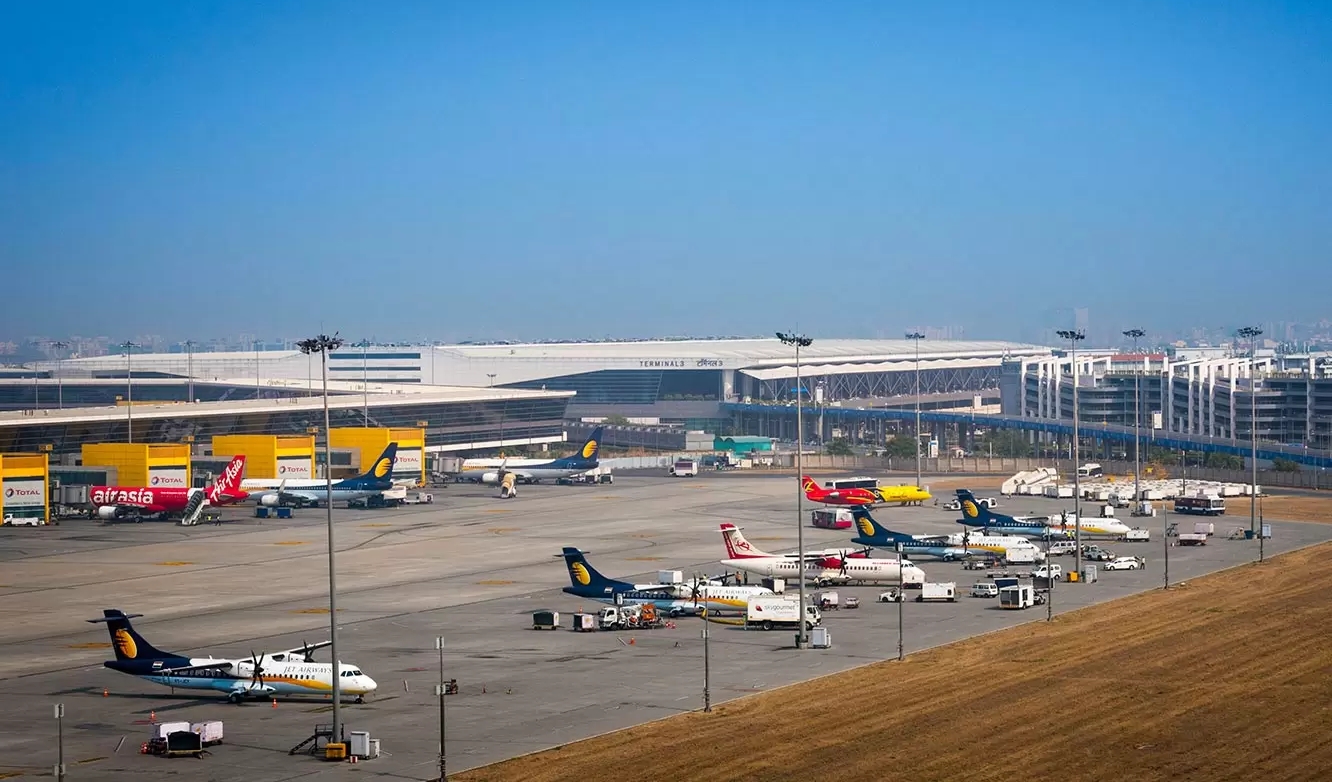
New Delhi stands at the epicentre of a critical discourse as global airline executives converge to confront a brewing storm threatening the industry’s long-term prosperity.
A confluence of escalating trade conflicts, heightened aviation safety concerns, and persistent infrastructure deficits are challenging the very foundations of global air travel. This multifaceted pressure compels industry leaders to re-evaluate expansion blueprints, recalibrate investment strategies, and navigate an increasingly complex geopolitical landscape, all whilst striving to meet ambitious environmental commitments and sustain profitability. The dialogue unfolding in India underscores the imperative for a cohesive, sustainable approach to urban connectivity, aiming to build a future of equitable and eco-friendly cities. The International Air Transport Association (IATA) annual summit, currently underway in New Delhi, has seen trade protectionism and the urgent demands of environmental stewardship dominate the agenda.
While the aviation sector has admirably bounced back to pre-pandemic passenger levels, it now finds itself grappling with a new set of formidable challenges. Airlines are contending with a relentless surge in operational expenses, protracted delays in the delivery of new aircraft, pervasive supply chain disruptions, and a worrying erosion of average ticket fares. These compounding pressures are significantly compressing profit margins, thereby impeding the industry’s capacity to reinvest meaningfully in vital infrastructure upgrades and essential sustainability initiatives. One of the most disruptive forces reshaping the global aviation narrative is the radical transformation of international trade norms. The evolving protectionist policies, particularly those emanating from the United States, have fundamentally altered a decades-old system that previously shielded aerospace goods from punitive tariffs.
This abrupt paradigm shift introduces unforeseen financial and regulatory complexities, forcing both airlines and aircraft manufacturers to undertake a comprehensive overhaul of their long-term strategic blueprints. Such shifts highlight the intricate global interdependencies and how seemingly distant policy changes can directly impact the cost and efficiency of air travel, affecting everyone from the global business traveller to the everyday citizen. Despite these headwinds, a divergent recovery trajectory is evident across key aviation markets. While European and Asian carriers continue to report robust travel demand, many United States airlines are experiencing a noticeable slump in domestic travel. This unpredictable passenger behaviour in the West makes forecasting ticket sales and managing operational costs an increasingly arduous task, underscoring the uneven pace of global economic recovery and the regional disparities that continue to define the post-pandemic aviation landscape. This fragmentation in demand necessitates a more nuanced approach to route planning and capacity management, further complicating the drive towards standardised and efficient global networks.
The choice of India as the host for this year’s IATA summit, for the first time in several years, powerfully underscores the nation’s burgeoning prominence in the global aviation arena. As the world’s third-largest air travel market, India is experiencing vigorous growth across all segments of its aviation industry, spanning regional carriers, airport infrastructure development, and ambitious international route expansion. However, India’s strategic geographic location also casts a spotlight on persistent regional conflicts. Tensions with neighbouring Pakistan, for instance, continue to force Indian airlines to undertake costly detours around restricted airspace. These reroutes not only consume more fuel, extending flight durations, but also significantly inflate operating costs, starkly illustrating how geopolitical flashpoints directly erode airline profitability and complicate network planning. Safety, too, has taken centre stage at the summit, galvanised by a recent spate of air accidents in diverse regions such as Kazakhstan, South Korea, and the United States. These incidents have reignited critical debates surrounding aviation oversight mechanisms and the pressing need for the modernisation of outdated air traffic control systems. In the United States, experts have pointed to aging infrastructure and critical staff shortages as significant risks demanding immediate and concerted attention.
Addressing these safety concerns is paramount not only for passenger confidence but also for ensuring the sustainable growth of urban hubs that rely heavily on safe and efficient air connectivity. While immediate operational and geopolitical concerns demand urgent attention, airline executives are also confronting the long-term, existential challenge of sustainability. In 2021, IATA’s member airlines collectively pledged to achieve net-zero carbon emissions by 2050. Three years on, however, progress remains dishearteningly slow. IATA has issued a stark warning that the current pace of transformation is woefully inadequate. Sustainable Aviation Fuel (SAF), lauded as the cornerstone for reducing emissions, remains prohibitively expensive and severely underproduced. Despite its potential for significantly lower carbon emissions compared to conventional jet fuel, global SAF production in 2024 reached only one million metric tonnes, falling far short of the projected 1.5 million tonnes. This shortfall has been unequivocally labelled as “disappointing,” prompting urgent calls for faster scaling of production.
Airlines lament the lack of robust support from SAF producers and governmental bodies, finding themselves burdened with the exorbitant costs of green fuel alone. Without substantial subsidies or long-term fuel purchase agreements, many carriers face an uphill battle in transitioning away from traditional fossil fuels. This considerable financial strain further complicates their arduous journey towards meeting ambitious climate targets. Adding to this burden are persistent delays from major aircraft manufacturers like Boeing and Airbus, who are struggling to deliver new fuel-efficient aircraft models due to ongoing supply chain issues and significant production backlogs. Consequently, airlines are unable to upgrade their fleets at the accelerated pace required to meet critical carbon reduction goals. The industry now faces a profound dilemma: how to effectively balance the immediate imperative of survival with the long-term, non-negotiable mandate of environmental transformation.
Leaders must decisively determine whether to continue absorbing sustainability costs unilaterally or to advocate for the establishment of robust regulatory frameworks and innovative public-private partnerships capable of funding this essential transition. India’s burgeoning aviation sector, while experiencing rapid growth, must also confront these structural challenges, including infrastructure gaps, high fuel taxes, and regulatory hurdles, to ensure its growth remains sustainable and equitable for its increasingly urbanised population.
Also Read :Kolkata Removes 98 of 377 Airport Flight Path Hurdles
