


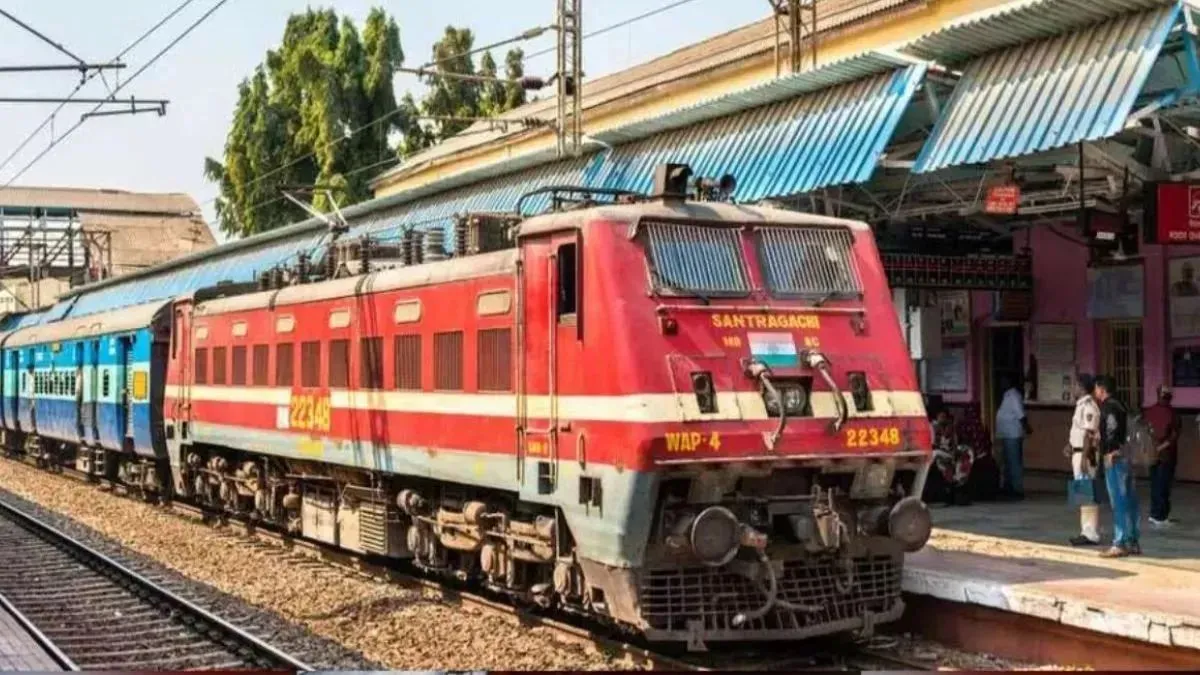
Indian Railways is introducing a new superfast train between Bengaluru and Mumbai that will significantly reduce travel time by nearly 18 hours. The upcoming service, designed to link the two major economic hubs, marks a transformative step towards faster, more sustainable rail mobility across southern and western India.
The long-awaited upgrade aims to replace the sluggish 23-hour Udyan Express route, which has been the only direct train connecting the two metros for decades. The existing journey, stretching over 1,136 kilometres and halting at more than 30 stations, has long tested passengers’ patience. The new superfast service will provide a direct, time-efficient alternative that integrates comfort, efficiency, and reduced environmental impact. According to officials, the new train will operate from Sir M. Visvesvaraya Terminal (SMVT) in Bengaluru to Chhatrapati Shivaji Maharaj Terminus (CSMT) in Mumbai. The route will pass through central Karnataka via Tumakuru, Davangere, Haveri, Hubballi-Dharwad, and Belagavi before entering Maharashtra. By limiting halts to key junctions and upgrading track sections for higher speeds, Indian Railways aims to dramatically cut journey duration while maintaining passenger convenience.
The route’s design reflects a growing emphasis on speed, sustainability, and regional balance in national transport planning. Railways experts note that the shorter route through Hubballi not only reduces energy consumption but also enhances operational efficiency by avoiding congested corridors. This directly contributes to lowering the carbon footprint per passenger kilometre compared to air or road travel, aligning with India’s net-zero transport ambitions. Officials added that the final list of stoppages will be confirmed after clearance from the Railway Board, with trials and safety assessments already in progress. Once operational, the new train will likely emerge as the preferred mode of transport for business travellers, tourists, and frequent commuters between the two cities, offering a faster, greener, and more affordable option than air travel.
The superfast link also represents a strategic shift in how Indian Railways is reimagining intercity connectivity — not merely through speed, but through reliability and environmental sustainability. Experts emphasise that modern rail projects like this one are key to easing urban congestion, reducing dependency on fossil fuel-heavy transport modes, and promoting equitable access to mobility. If executed as planned, the Bengaluru–Mumbai superfast service will not only redefine travel between these metropolitan regions but also reinforce India’s broader commitment to sustainable, efficient, and inclusive infrastructure growth.
Also Read : Pune Vande Bharat Express to Cut Nanded Travel Time to 7 Hours
