As demand for faster rail connectivity between Delhi-NCR and western India grows, Udaipur has emerged as a strategic pressure point in India’s next phase of inter-city rail planning. A formal request by a sitting parliamentarian to halt commercial leasing of railway land at Udaipur City station underscores how rising NCR-linked travel volumes are reshaping infrastructure priorities beyond metropolitan boundaries.
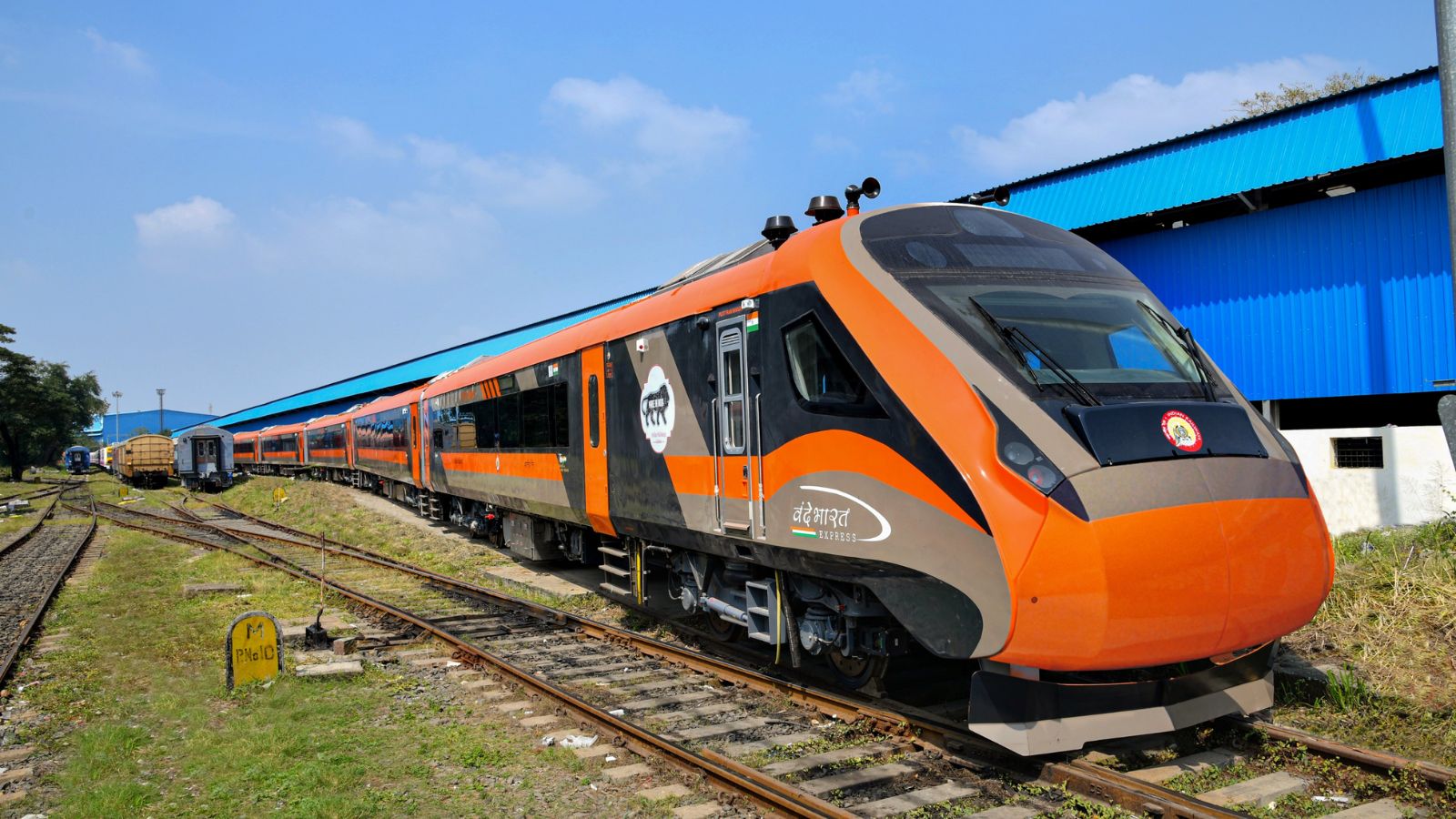
At the centre of the issue is a proposal by the Rail Land Development Authority to lease nearly 19,600 square metres of land within the Udaipur City station precinct for mixed-use development. While land monetisation has become a key financing tool for Indian Railways, officials familiar with the matter say concerns are mounting that irreversible commercialisation could constrain future operational capacity at a station expected to see sharp traffic growth from Delhi-NCR and western corridor routes. Rail planners point to recent electrification of the Udaipur Ahmedabad section as a turning point. With seamless electric traction now extending towards western and southern rail networks, Udaipur is positioned to handle longer-distance, higher-frequency services. Direct, premium daytime services linking Udaipur with Delhi-NCR and Surat are being evaluated as part of wider efforts to rebalance rail travel away from congested aviation corridors.
Industry experts note that Delhi-NCR remains the single largest origin-destination cluster for inter-state rail journeys in north India. Faster connections to tourist and industrial centres like Udaipur could significantly reduce road dependence, cut emissions, and relieve pressure on short-haul flights. However, such services require additional yard capacity, stabling lines, maintenance zones and passenger handling infrastructure all of which depend on land availability at terminal stations. Urban planners tracking station-area redevelopment warn that rail land decisions often prioritise short-term revenue over long-term mobility resilience. “Once station-adjacent land is locked into private commercial use, reclaiming it for operational needs becomes nearly impossible,” said a transport policy analyst. This risk is amplified at mid-sized cities that serve as gateways between metro regions and emerging economic corridors.
Beyond premium trains, proposals under discussion include track doubling on feeder routes connecting Rajasthan, Madhya Pradesh and Gujarat, alongside expansion of a secondary railway yard to reduce congestion at the main terminal. These upgrades are viewed as essential to absorb future NCR-bound passenger flows without compromising safety or service reliability. For Delhi-NCR commuters and businesses, the outcome will shape how effectively rail can compete with highways on medium-distance routes. For Udaipur, it raises a broader question facing cities nationwide: whether railway stations are treated primarily as real estate assets or as long-term public mobility anchors. As Indian Railways advances barrier-free ticketing, electrification and high-speed corridors, decisions taken at nodes like Udaipur may ultimately determine whether inter-city rail growth remains inclusive, efficient and climate-aligned or constrained by avoidable capacity bottlenecks.
NCR Travel Demand Pushes Udaipur Rail Expansion