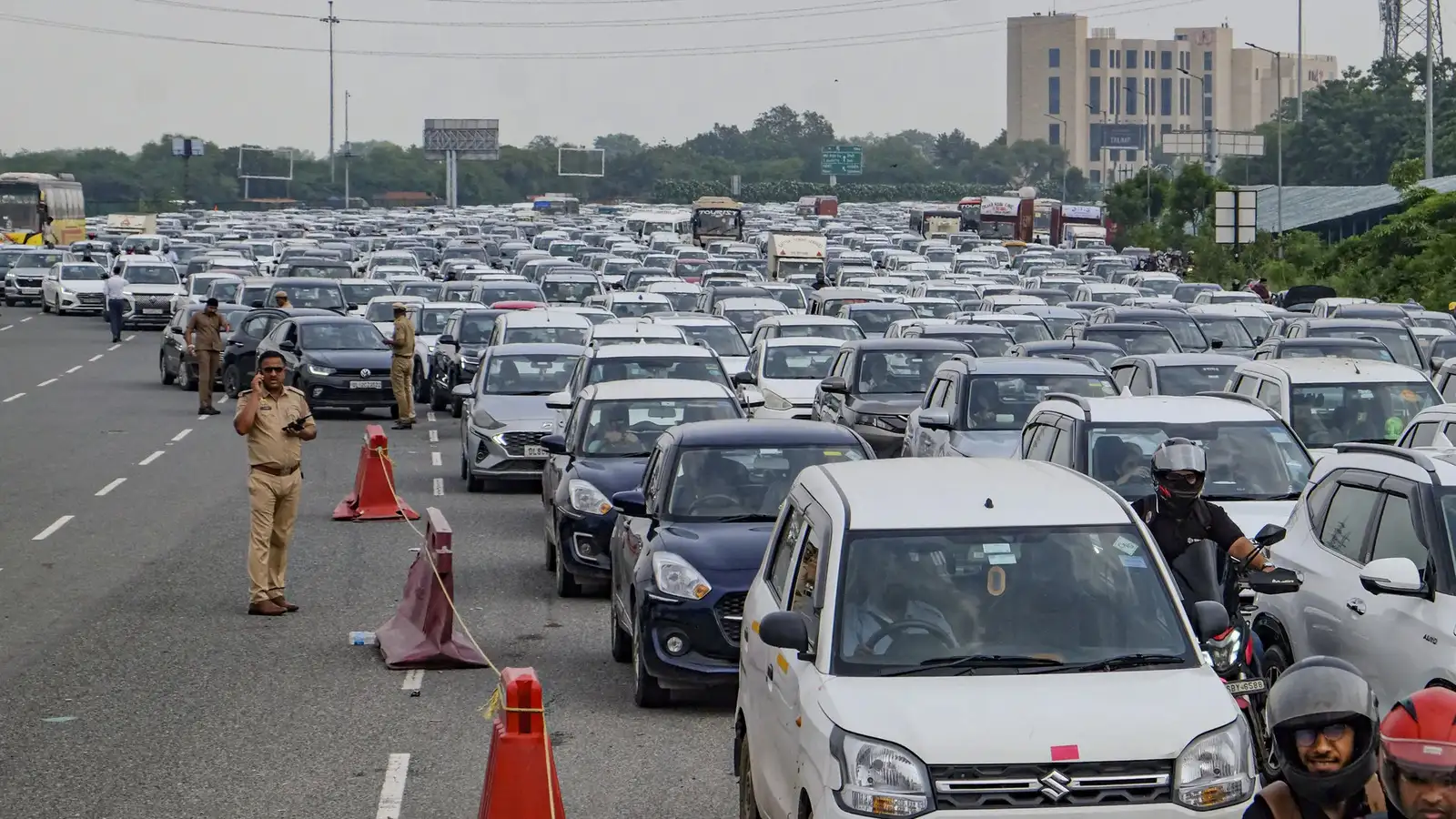
A proposed Delhi NCR air taxi corridor could soon link Gurgaon, central Delhi and Noida International Airport through electric vertical take-off and landing aircraft, cutting travel times across one of India’s most congested urban regions to under 30 minutes. Urban mobility planners say the initiative aims to ease pressure on overburdened highways while testing a new model of low-emission aerial transport.
The corridor is being designed around a high-demand triangle connecting corporate districts in Gurgaon, commercial hubs in central Delhi and the upcoming airport at Jewar. Road journeys between these points can stretch beyond two hours during peak congestion. Under the proposed Delhi NCR air taxi corridor, the same trip could take roughly 18 to 25 minutes by air. At the centre of the plan are eVTOL aircraft battery-powered vehicles capable of vertical lift and landing without the need for long runways. Unlike conventional helicopters, these aircraft are engineered to operate with lower noise levels and zero tailpipe emissions. Aviation analysts note that while the technology is still in its early commercial phase globally, India’s dense metropolitan clusters offer a strong use case if regulatory and airspace integration challenges are resolved.
Infrastructure strategy is expected to prioritise rooftop vertiports rather than acquiring new land. Hospitals, technology parks and commercial complexes with structurally viable rooftops are being evaluated for conversion into landing pads. Urban development specialists estimate that adapting existing buildings could lower capital expenditure by up to half compared with building standalone facilities, while reducing the land-use footprint in already built-up districts.
Initial deployment is likely to focus on time-sensitive services such as medical transfers and emergency logistics. A phased rollout would allow authorities to test safety systems, flight scheduling and passenger handling before expanding into broader commuter operations. Flight paths under consideration are designed to avoid sensitive zones, including high-security government precincts and the airspace around Indira Gandhi International Airport. Civil aviation regulators will need to integrate these routes within controlled airspace, ensuring coordination with existing commercial traffic.
For NCR’s real estate and infrastructure landscape, the corridor could alter perceptions of distance. Improved aerial connectivity may enhance the attractiveness of emerging business districts near Jewar Airport and support decentralised growth. However, planners caution that air mobility must complement, not replace, investments in public transport, electric buses and metro expansion to achieve inclusive urban access. Environmental impact will depend on energy sourcing and lifecycle emissions of battery systems.
Experts stress that renewable-powered vertiports and stringent acoustic zoning will be essential if the Delhi NCR air taxi corridor is to align with climate resilience goals. If executed responsibly, the project could position NCR as an early adopter of regulated urban air mobility in Asia. The coming months will determine whether regulatory clarity, infrastructure readiness and public acceptance can lift the region’s transport ambitions off the ground.
NCR Sky Corridor Targets Traffic Gridlock