


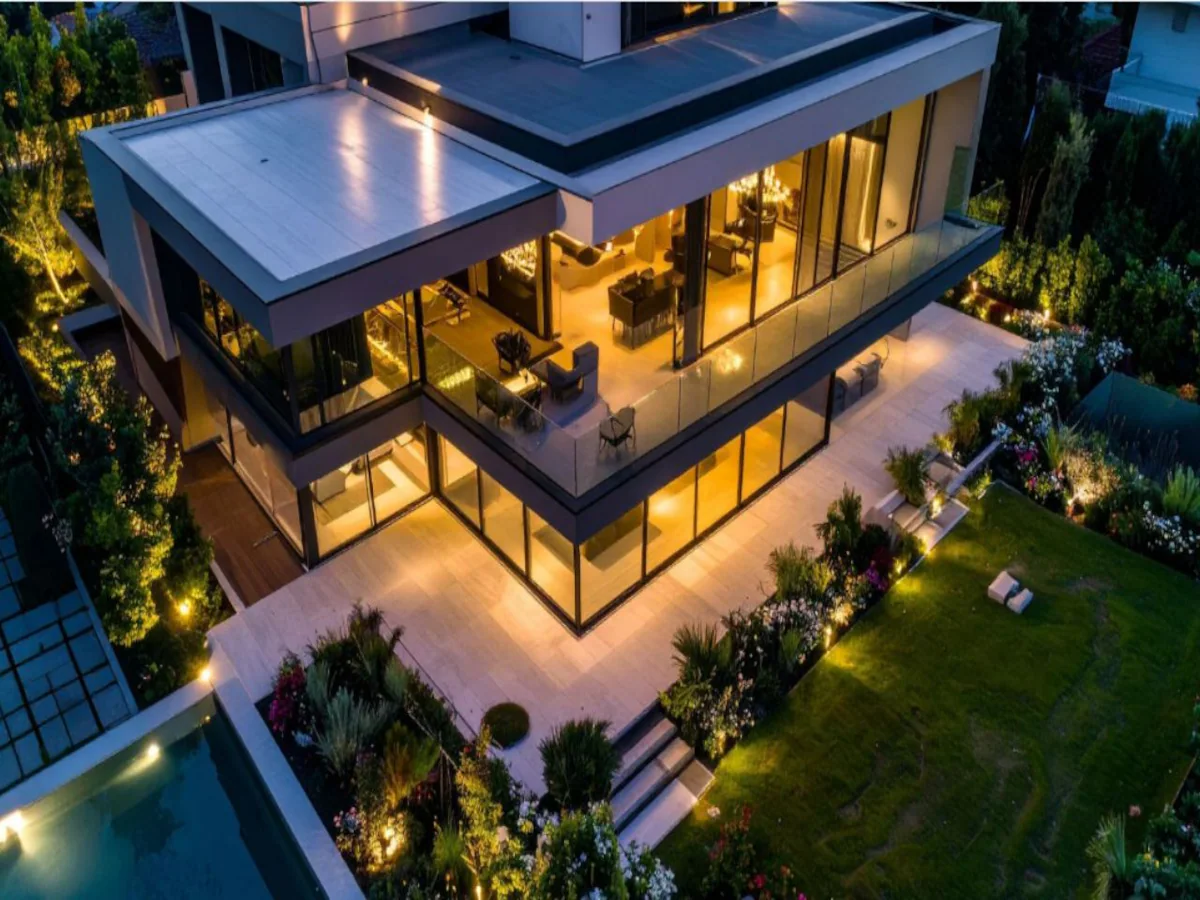
India’s luxury housing market is undergoing a decisive recalibration in 2026, with buyers redefining value beyond sheer size, headline pricing or prestigious pin codes. Across major metros, high-end residential demand is increasingly shaped by lived experience wellness, privacy, design quality and long-term relevance now carry more weight than traditional markers of opulence.
Recent market data points to the growing depth of this shift. Luxury home sales across India’s largest cities recorded a sharp year-on-year rise in 2025, driven largely by end-users rather than speculative investors. The National Capital Region emerged as the dominant contributor, accounting for a majority share of transactions, while select southern and western cities also reported sustained momentum. New supply has followed this demand, with luxury launches becoming more geographically concentrated along infrastructure-led corridors rather than dispersed premium pockets. This concentration reflects how luxury housing is being reimagined. Homes are no longer positioned as static assets but as curated environments designed to support everyday well-being. Developers are prioritising spatial efficiency, natural light, acoustic comfort and sensory design, alongside amenities traditionally associated with hospitality. Wellness facilities, residents-only lounges, concierge services and landscaped retreats are now standard expectations rather than differentiators. Urban planners note that this evolution aligns with broader lifestyle changes. Post-pandemic buyers are spending more time at home and expect their living spaces to accommodate work, leisure and recovery without constant reliance on the city outside. As a result, emotional comfort, adaptability and privacy have become central to purchasing decisions, even among globally exposed buyers accustomed to international benchmarks.
Nowhere is this shift more visible than in NCR’s emerging luxury corridors. Infrastructure upgrades have enabled high-end housing to move beyond legacy addresses into areas offering better planning control and lower density. Developments with fewer residences per floor, private access systems and gated layouts are gaining traction, signalling a premium on controlled environments rather than conspicuous scale. Scarcity, created through limited-edition inventory and boutique formats, has emerged as a new currency of luxury. Design maturity is another defining theme. Buyers are gravitating towards architecture that prioritises longevity materials that age well, climate-responsive layouts and timeless aesthetics over short-lived trends. Sustainability, while rarely positioned overtly as a luxury feature, is increasingly embedded through energy-efficient systems, shaded landscapes and reduced density, supporting both comfort and future value. Industry observers describe the current phase as one of discernment rather than exuberance. Luxury buyers are assessing developments through the lens of durability, liveability and resilience factors closely tied to infrastructure quality and developer credibility. Speculative churn has given way to long-term ownership intent, reinforcing stability within the segment.
As India’s cities expand and mature, luxury housing in 2026 is less about symbolic status and more about legacy living. The emphasis on experience-led design, wellness and thoughtful urban integration signals a market that is growing up one where how a home supports life over decades matters more than how loudly it announces wealth.
Also Read: North Noida Housing Demand Shifts With Infrastructure Push
NCR Luxury Homes Shift Toward Experience Led Living
