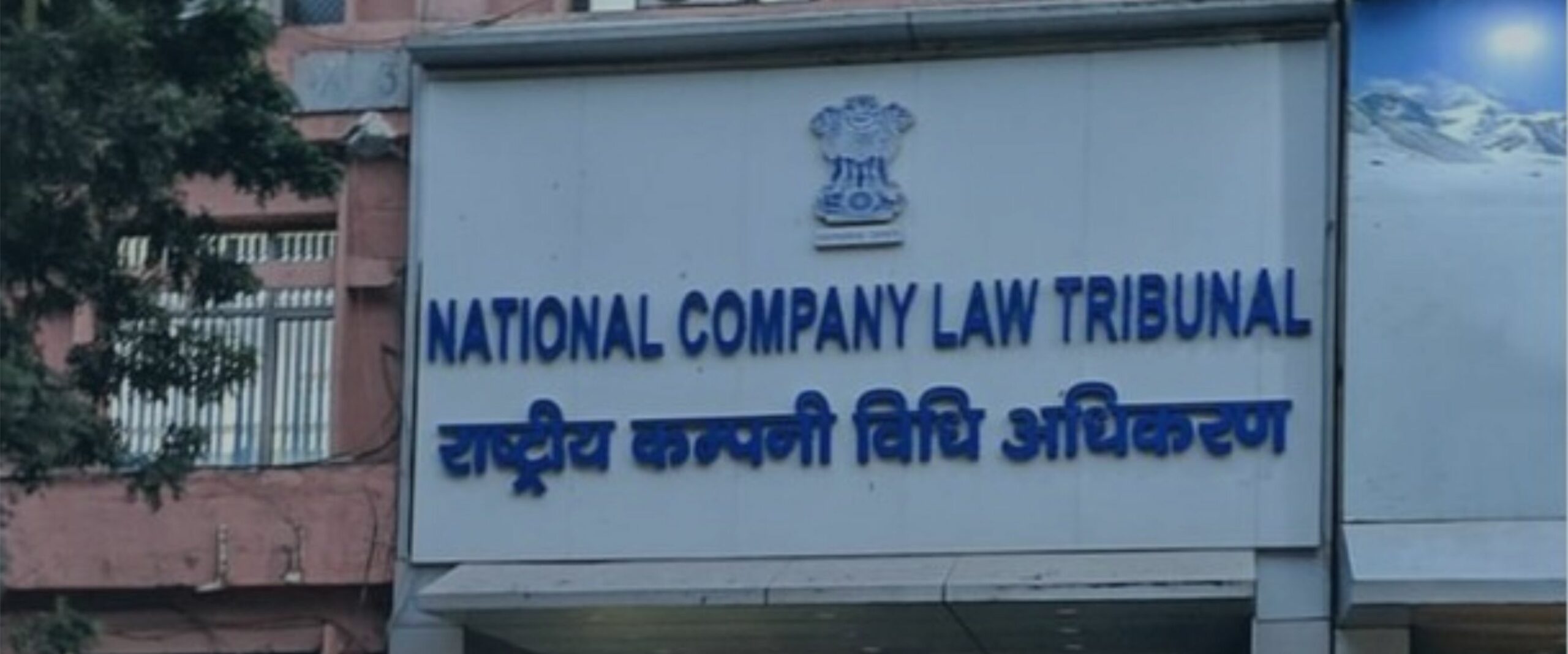
A key insolvency resolution in India’s infrastructure and real estate sector has moved forward after the National Company Law Tribunal approved a ₹14,500 crore acquisition plan for a debt-laden conglomerate. The decision is expected to unlock a wide range of stalled and underperforming assets, particularly in the National Capital Region (NCR), where delayed projects have long affected homebuyers and investor confidence.
The resolution marks the culmination of a prolonged insolvency process triggered by mounting debt exceeding ₹57,000 crore. With creditors backing the plan by a significant margin, the approval clears the way for ownership transfer and the potential revival of multiple business verticals, including housing, cement, power, and hospitality. From an urban development perspective, the most immediate impact is likely to be seen in the NCR housing market. The company’s portfolio includes several large-scale residential and township developments that have remained incomplete or slow-moving for years. These projects, located in growth corridors such as Greater Noida and along the Yamuna Expressway, are closely tied to broader infrastructure expansion, including the upcoming international airport and expressway networks.
Urban planners suggest that the revival of these assets could help stabilise supply pipelines in the region. For homebuyers, particularly those affected by delayed possession, the transition offers a possibility of completion timelines becoming more predictable. At the same time, renewed activity in these projects could influence pricing dynamics and restore a degree of trust in large-format township developments. Beyond housing, the acquisition includes a diversified set of assets spanning cement manufacturing, energy generation, and commercial real estate. Industry experts view this as a strategic consolidation that could enable operational efficiencies and cross-sector integration. The ability to align infrastructure, materials, and energy under a single platform may also support long-term scalability.
However, the scale and complexity of the portfolio present execution challenges. Reviving large, partially developed projects requires not only capital infusion but also regulatory clearances, stakeholder coordination, and sustained project management. Analysts caution that timely delivery will be critical in determining whether the resolution translates into tangible outcomes on the ground. The development also reflects a broader trend in India’s insolvency ecosystem, where large distressed assets are being repositioned through structured resolution processes. For the real estate sector, such interventions are increasingly seen as necessary to address legacy issues related to stalled projects and financial overreach.
Looking ahead, the focus will shift to implementation—how quickly construction resumes, how effectively pending obligations are addressed, and how confidence is rebuilt among buyers and investors. If managed efficiently, the resolution could serve as a benchmark for reviving complex urban assets at scale. For now, the approval signals a turning point for projects that have remained in limbo, offering a pathway for renewed activity in one of India’s most closely watched real estate markets.
NCR Housing Projects May Gain Momentum After Approval