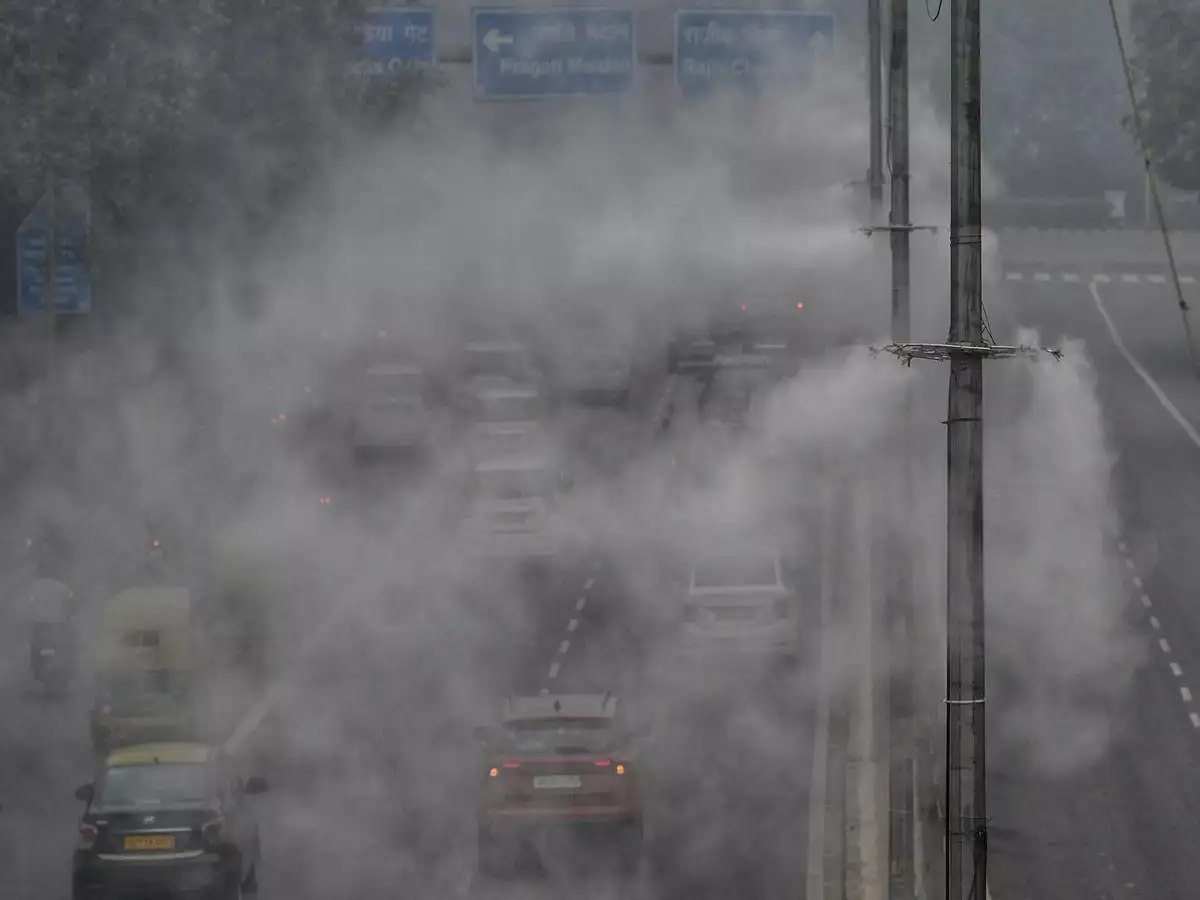
A winter enforcement drive across the National Capital Region has uncovered persistent lapses in dust control, waste handling and open burning, underlining the gap between pollution norms and on-ground compliance. Inspections carried out over the past fortnight point to how everyday urban activities road maintenance, small-scale heating practices and unmanaged waste continue to undermine air quality efforts during Delhi-NCR’s most vulnerable season.
The findings emerged from a coordinated inspection programme covering multiple NCR districts, where enforcement teams reviewed industrial operations, construction sites and public infrastructure corridors. Officials overseeing the drive indicated that corrective actions, including stoppage orders and compliance directions, are being initiated in cases where repeated violations were identified. The exercise forms part of a wider winter response aimed at limiting local pollution sources when meteorological conditions trap emissions close to the ground.
Data reviewed during the assessment shows that road dust remains a major concern. Hundreds of arterial and secondary road stretches were evaluated across Delhi, Gurugram and Noida. While several corridors showed minimal dust presence, a significant share recorded medium to high dust levels, often linked to inadequate mechanical sweeping, uncovered shoulders and ongoing utility work.
Urban planners note that such dust hotspots are not isolated incidents but reflect systemic maintenance issues in fast-growing cities. Industrial compliance also came under scrutiny, with inspections spanning manufacturing units and backup power systems. Diesel generator usage, still common in pockets with unreliable power supply, continues to pose a challenge despite regulatory restrictions. Industry experts say transitioning small and medium enterprises towards cleaner energy backups is critical if NCR is to achieve sustained air quality improvements.
Another recurring issue flagged during the drive was open burning of biomass and unmanaged waste, particularly in informal commercial clusters and roadside areas. Much of this activity is driven by the need for low-cost heating during cold nights, highlighting the social dimension of pollution control. Urban policy specialists argue that enforcement alone cannot address this problem without parallel investments in affordable heating alternatives and better waste collection services.
The NCR air violations identified during the inspections come at a time when winter meteorology already elevates pollution risks. Low wind speeds and temperature inversions reduce dispersion, meaning even localised emissions can have city-wide impact. Public health researchers point out that repeated winter episodes of poor air quality carry cumulative health costs, affecting worker productivity and increasing pressure on healthcare systems. From a governance perspective, the enforcement drive illustrates both progress and limits. Coordinated inspections across agencies suggest stronger institutional alignment, but uneven outcomes reveal the need for sustained monitoring rather than episodic checks. Infrastructure analysts emphasise that durable gains will depend on integrating pollution control into everyday urban management from road design and construction practices to decentralised waste processing.
As NCR prepares for the remaining winter months, authorities face a familiar but urgent task: converting inspection data into lasting structural fixes. Addressing NCR air violations will require not just penalties, but investment in cleaner infrastructure, inclusive urban services and people-first solutions that reduce pollution without shifting the burden onto vulnerable communities.
NCR enforcement drive exposes winter pollution gaps