


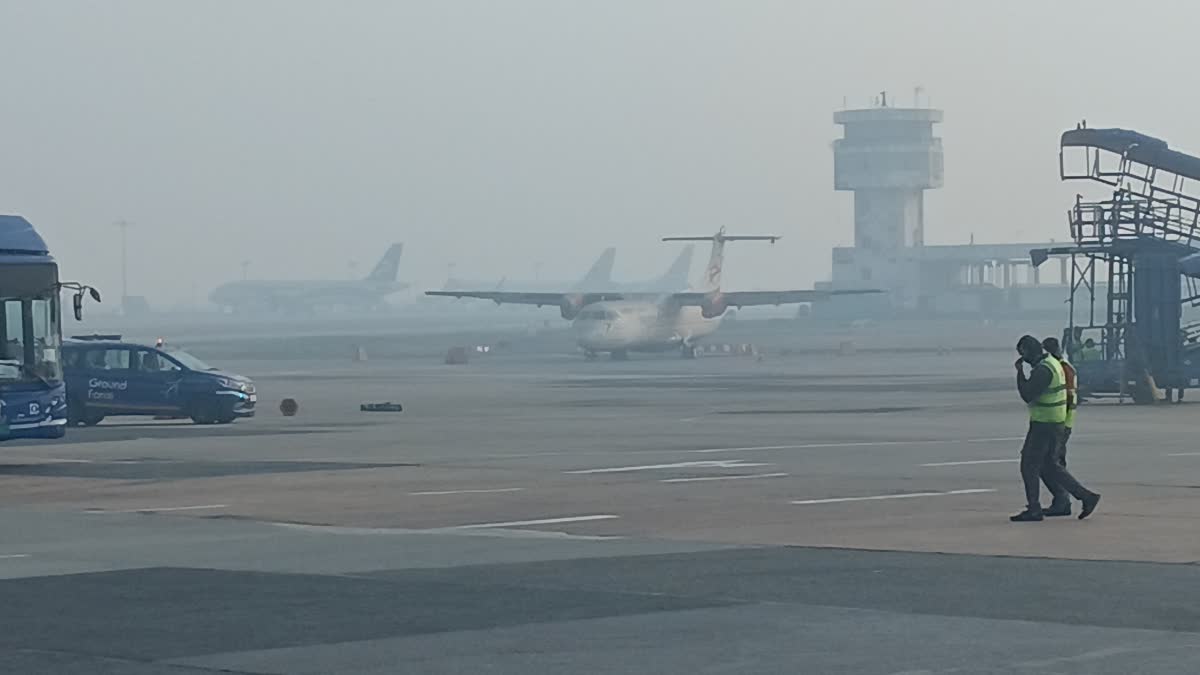
Ghaziabad emerged as the most polluted city in India during the winter of 2025–26, according to a nationwide air quality assessment conducted by the Centre for Research on Energy and Clean Air (CREA). Following closely were Noida and Delhi, highlighting the continued environmental and public health challenges in the National Capital Region (NCR). The study analysed data collected from Continuous Ambient Air Quality Monitoring Stations operated by the Central Pollution Control Board between October 1, 2025, and February 28, 2026.
Ghaziabad recorded an average PM2.5 concentration of 172 micrograms per cubic metre (µg/m³), substantially exceeding the national standard of 60 µg/m³ for winter months. Noida and Delhi reported averages of 166 µg/m³ and 163 µg/m³, respectively. Delhi experienced 18 days categorised as “severe” air quality, 87 “very poor” days, and 24 “poor” days during the period, underscoring the persistent exposure risks for millions of residents.The analysis also identified a broader pattern of winter pollution across India. Of the 238 cities with adequate monitoring data, 204 surpassed the national PM2.5 standard, a sharp rise from 173 cities in the previous year. States such as Haryana, Andhra Pradesh, Punjab, West Bengal, and Gujarat reported the highest number of cities exceeding limits, while regions like Rajasthan, Maharashtra, Bihar, Uttar Pradesh, Odisha, and Madhya Pradesh showed widespread breaches in air quality. In contrast, Chamarajanagar in Karnataka recorded the lowest PM2.5 levels at 19 µg/m³, reflecting the significant geographic variation in urban air quality.Experts attribute the surge in winter particulate matter to a combination of vehicular emissions, industrial activity, biomass burning, and meteorological conditions that trap pollutants close to the ground. The Indo-Gangetic Plain, in particular, remains a hotspot, with 75 out of 79 monitored cities breaching the national PM2.5 standard. Within the NCR, none of the 28 monitored cities complied with national limits, highlighting systemic urban air quality challenges.
The report also evaluated cities under the National Clean Air Programme (NCAP). Among 96 NCAP cities with adequate data, 84 exceeded national PM2.5 standards, and all fell short of World Health Organization (WHO) guidelines, indicating that ongoing policy interventions are insufficient to curb high winter pollution levels. Non-NCAP cities displayed a similar trend, emphasising the need for strengthened enforcement and climate-resilient urban planning to mitigate air quality risks.The findings underscore the urgent need for integrated air pollution management strategies, including stricter industrial regulation, cleaner transportation systems, urban greening, and public awareness campaigns. With winter pollution remaining a recurring public health concern, cities must adopt proactive, evidence-based measures to protect vulnerable populations and ensure sustainable urban living.
NCR Cities Face Severe Winter Air Pollution
