Navi Mumbais Amrut Initiative Plants 25 Indigenous Trees to Boost Biodiversity in Belapur
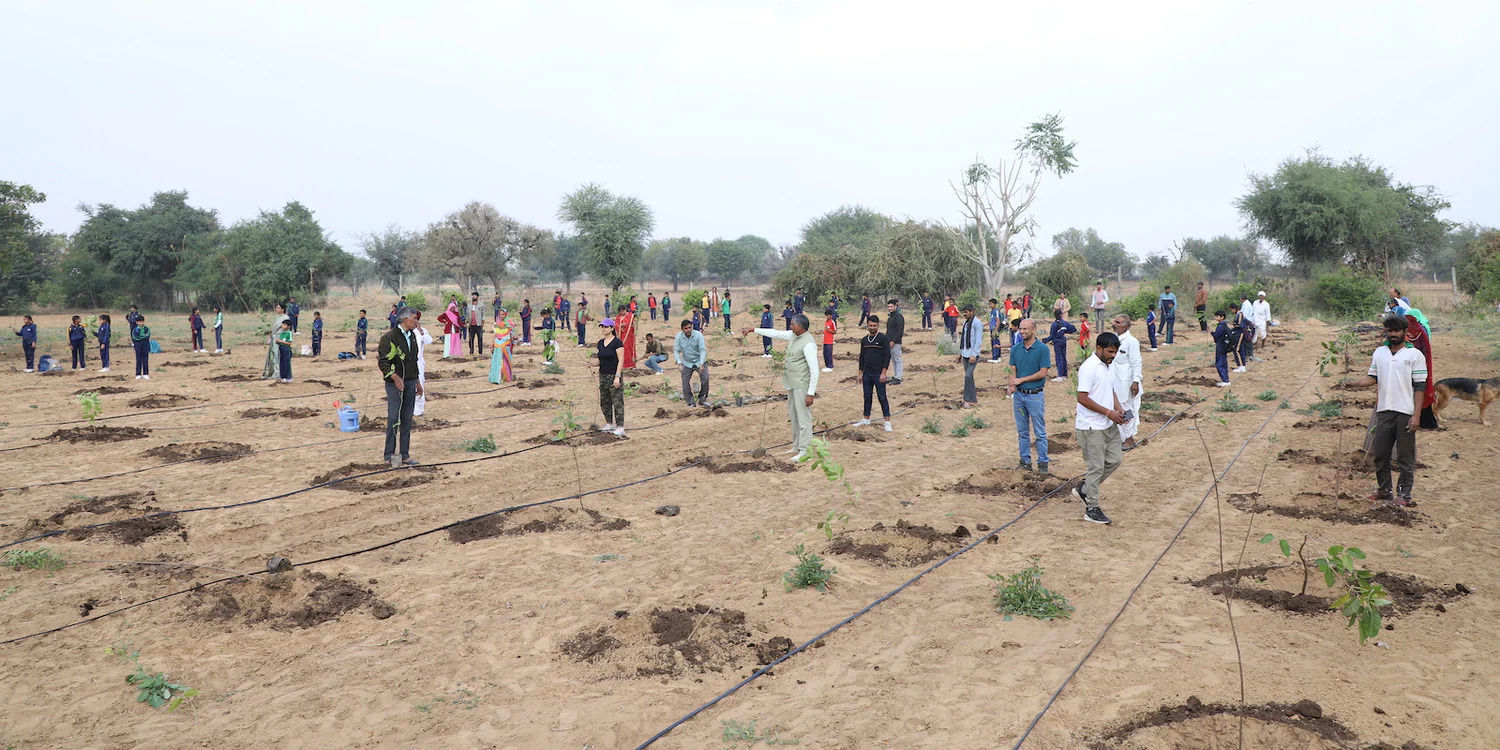
A new chapter in sustainable urban development is unfolding in Navi Mumbai, with a concerted effort to expand the city’s green lung. A recent tree plantation drive in Belapur Sector 8, strategically located near a holding pond, marks a significant stride in this direction. The initiative, a collaborative effort between civic officials and a local environmental organisation, focuses on restoring ecological balance by introducing native fruit-bearing trees. This project is a crucial component of the state government’s ambitious green mandates, designed to foster a more eco-friendly and climate-resilient urban landscape.
The drive is part of the state’s Amrut Tree Plantation initiative and Majhi Vasundhara Abhiyan 6.0, two flagship programmes aimed at building zero-net-carbon, equitable cities. By focusing on indigenous species like Jamun, Bakul, Guava, Custard Apple, and Cashew, the project goes beyond mere beautification. These native varieties are specifically chosen for their ability to thrive in the local climate, requiring less water and maintenance, which promotes long-term sustainability. The act of planting these trees serves as a foundation for a robust, self-sustaining ecosystem that can support local flora and fauna.
This green thrust is a vital response to the environmental pressures of rapid urbanisation. The city’s planners recognise that a thriving metropolis must coexist with nature. By re-establishing green corridors, these plantations act as natural air purifiers, mitigating the urban heat island effect and improving overall air quality. The choice of fruit-bearing trees is a deliberate move to support urban biodiversity, providing essential food sources and habitats for birds, insects, and small animals. This, in turn, helps in creating a balanced and healthy ecosystem within the city’s confines.
The participation of a local non-governmental organisation underscores the importance of community engagement in civic projects. This public-private partnership model highlights a growing consciousness among residents and businesses to contribute to the city’s environmental well-being. The collective effort signifies a shift from top-down governance to a more inclusive, community-driven approach to urban planning, where citizens are active stakeholders in shaping a sustainable future. The initiative demonstrates how collective action can lead to impactful change, creating a shared sense of ownership and responsibility for the city’s natural assets.
As Navi Mumbai continues its trajectory as a major economic hub, such green initiatives are pivotal in ensuring its growth is sustainable and equitable. The focus on planting native species near existing water bodies and open spaces sets a powerful precedent for other urban centers. It is a proactive step towards achieving the larger goal of a zero-net-carbon city, where development and ecological conservation are not mutually exclusive but are, instead, integral to a shared vision of a better quality of life for all its inhabitants.